


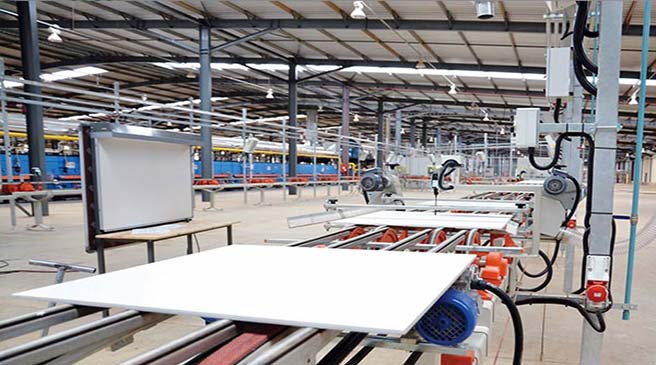

A World Changing Under Our Feet
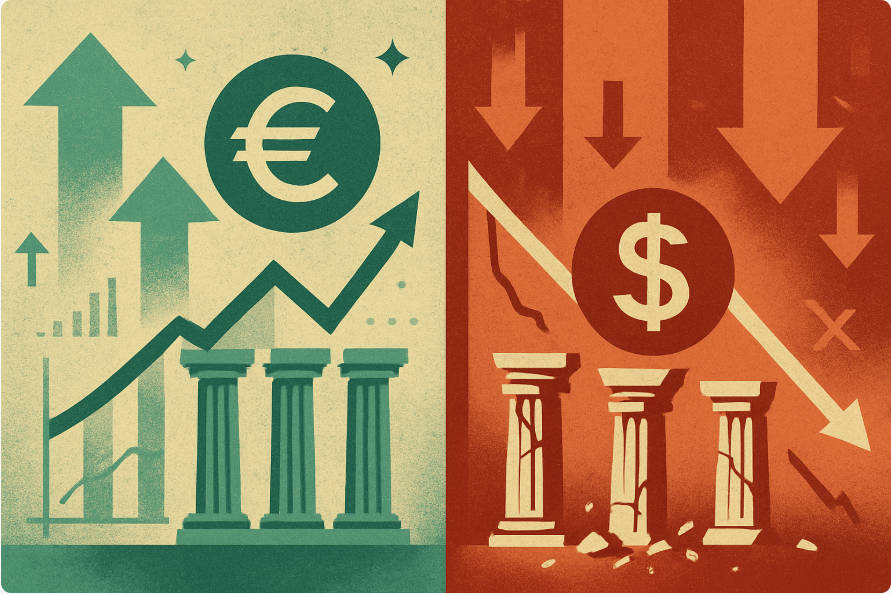
A staggering $450 billion: this is the estimated value of the global ceramic tile market by the end of 2025. Yet, behind this glossy surface lies an industry in turmoil. Imagine a manufacturer that has focused for decades on exports to a specific market, suddenly facing a 35% increase in customs tariffs and the emergence of low-cost competitors. This is not a fictional story; it is a reality many players in this capital-intensive industry are grappling with.
The ceramic tile industry, as a vital part of the construction and décor supply chain, finds itself at the intersection of several perfect economic and marketing storms. From fluctuating energy and raw material prices to profound shifts in consumer tastes and production technologies, the path ahead is rugged. This article is precisely for the managers, marketers, investors, and all stakeholders in this industry seeking a root-cause understanding of these challenges and data-driven solutions.
In the following sections, by deeply analyzing the most significant economic pressures and market transformations, we will not only provide a clear picture of the current state but also chart a roadmap for adaptation and flourishing in the coming years.
Analysis of Macroeconomic Challenges in the Ceramic Tile Industry
Due to its energy-intensive nature and heavy reliance on specific raw materials, the ceramic tile industry is particularly vulnerable to macroeconomic fluctuations. These challenges go beyond internal company issues and affect the entire business ecosystem.
Soaring Production Costs and Raw Material Inflation
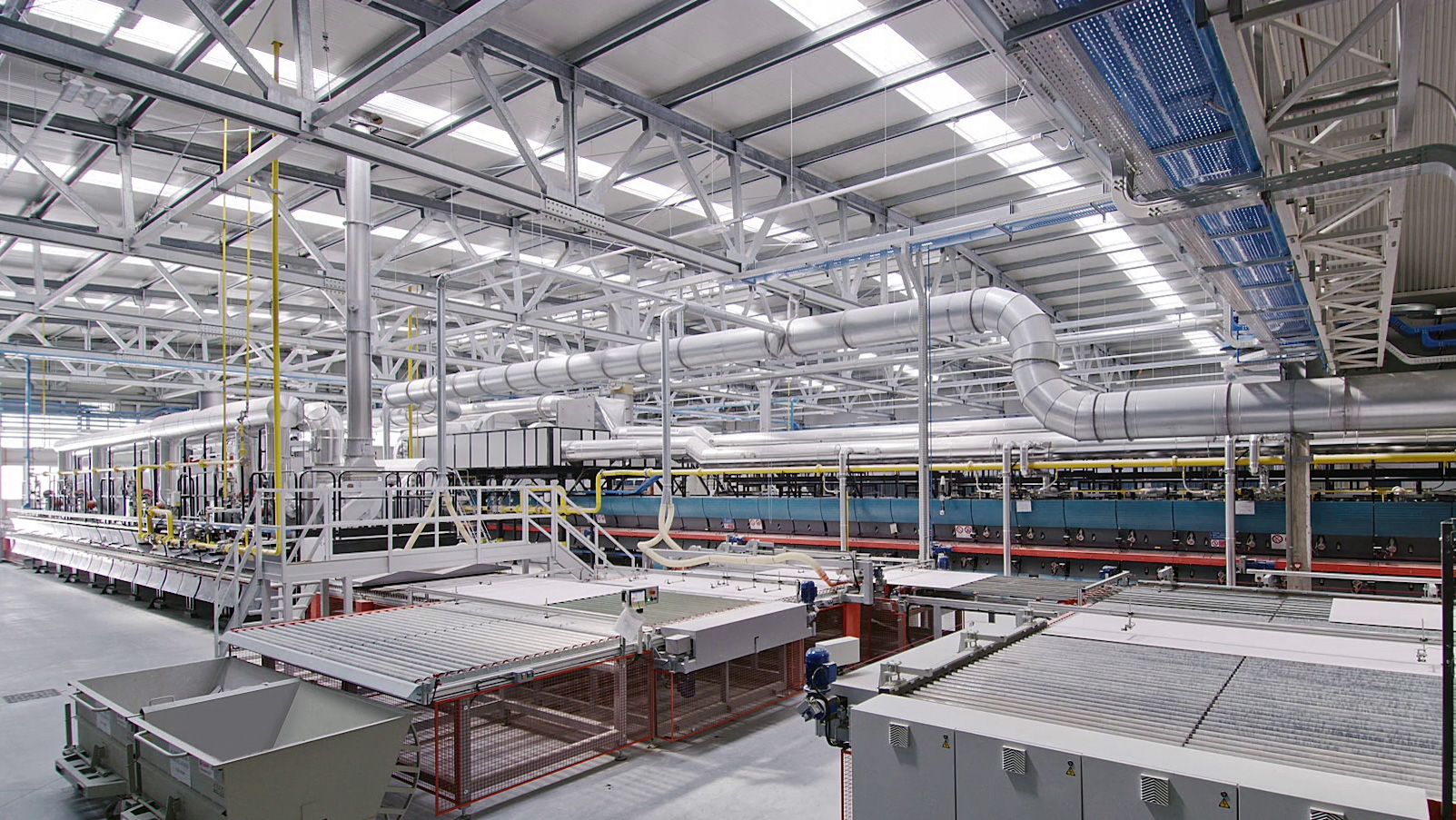
Kilns operating at temperatures exceeding 1200°C are the beating heart of this industry. With the rising global price of natural gas (which, according to the BP Statistical Review 2024, is still 25% above pre-European energy crisis levels) and instability in electricity supply, the operational costs of production units have become one of the biggest concerns. This is only part of the story.
Raw Materials: Kaolin, feldspar, quartz, and mineral pigments (such as zirconium and cobalt oxides) have seen significant price volatility. For instance, the price of barium carbonate (a key glaze material) has increased by up to 40% in the past two years.
Logistics Costs: Although ocean freight costs have decreased from their pandemic peak, geopolitical tensions in key routes like the Red Sea (Suez Canal) have created uncertainty and increased insurance costs and transit times.
Labor Inflation: A shortage of skilled labor in technical and design sectors has put additional pressure on wages.
The result of these factors is a dual pressure on manufacturers: on one hand, maintaining profit margins, and on the other, competing with imported products that may benefit from energy subsidies or cheaper labor.
Tariff Wars and International Trade Barriers
The trade of ceramic tiles has long been at the center of commercial disputes. Major consumer countries often use tariffs as a tool to protect domestic production or counter dumping (selling below cost).
Anti-dumping Cases: The European Union, the United States, and even emerging markets like India regularly initiate anti-dumping cases against exporters from countries such as China, Vietnam, Turkey, and Iran. These cases can lead to punitive tariffs exceeding 100%, potentially destroying a manufacturer’s export market overnight.
Technical Standards as Non-Tariff Barriers: Strict standards regarding water absorption, slip resistance, or emissions of volatile organic compounds (VOCs) from adhesives and sealants, while beneficial for consumers, can act as barriers to entry for new products. Compliance with these standards requires investment in laboratories and quality control processes.
Relative Slowdown in Residential Construction and Shifting Investment Patterns
The ceramic tile industry is heavily dependent on the health of the construction sector. With rising interest rates in many countries to curb inflation (ECB and Federal Reserve), borrowing for new construction projects has become more expensive. This has led to:
A decrease in the number of new residential projects.
Delays in large commercial projects.
A shift in investment towards Renovation & Remodeling instead of new construction.
This shift in pattern is both a challenge and an opportunity, which we will discuss in later sections.
Market Evolution and Paradigm Shifts in Consumer Behavior
Alongside economic pressures, profound changes are occurring on the demand side, challenging traditional business models in the ceramic tile industry.
The Rise of Innovative Competitors and Alternative Materials
Ceramic tiles are no longer the only option for surface coverings. Today, designers and consumers have a more diverse range of options, each offering specific advantages.
Engineered Stone (Quartz Surfaces): With high color variety, uniformity, and durability, they have captured a significant market share in luxury kitchen countertops and bathrooms.
Large Format Slabs and Porcelain: Products with very large dimensions (up to 320×160 cm) enabling minimal joint installation and creating a sense of spatial unity. This technology requires heavy investment in production lines.
Sustainable and Recycled Materials: Panels made from recycled glass, composites, and even bio-based products are beginning to attract the niche but growing market of environmentally conscious consumers.
The New Generation Dictating Taste: The Demand for Personalization, Sustainability, and Digital Shopping Experience
Today’s customer (especially Generations Y and Z) is not passive. They want a product that tells their unique story.
Extreme Personalization: Mass production of one design in millions of square meters is no longer sufficient. Demand is increasing for limited edition designs, digitally printed tiles with personal patterns (like family photos), and customizable sizes and textures. This poses a significant challenge for traditional production lines with long setup times.
Sustainability as a Necessity, Not an Option: According to a McKinsey survey in 2025, over 65% of consumers under 40 are willing to pay more for products with a lower carbon footprint and higher recyclability. This means pressure on manufacturers to:
Reduce water consumption in the production process.
Use renewable energy.
Design products for longer lifespan and easier recycling.
Provide transparent ESG (Environmental, Social, and Governance) reports.
Digital-First Purchase Journey: Over 80% of buyers start their research online. They look for high-quality images (360-degree), augmented reality (AR) to visualize products in their space, educational content (installation guides, color combination ideas), and authentic user reviews. A website offering only a PDF catalog is practically ignored.
Revolution in Distribution Channels and the Diminishing Role of Intermediaries
The traditional model of “Manufacturer > Wholesaler > Building Material Store > Installer > Consumer” is transforming.
Growth of Direct-to-Consumer (D2C) Sales: Some brands, by creating experience-driven showrooms and powerful online platforms, connect directly with the end consumer, gathering valuable data on their preferences.
Empowerment of Contractors and Designers: These groups have become trusted advisors to clients. Brands must engage directly with these “industry influencers” and design special partnership programs for them.
Specialized Marketplaces: The emergence of online platforms offering products from multiple brands alongside ancillary services like material calculators, installer referrals, and warranties is changing the game.
Strategies for Survival and Growth in the Current Challenging Market
With a deep understanding of these challenges, leading companies in the ceramic tile industry are formulating smart strategies not just for survival but for growth. These strategies revolve around several key pillars.
Automation, Industry 4.0, and the Shift Towards Lean Manufacturing
To counter rising costs and the demand for personalization, modernizing production lines is imperative.
Robotics and AI in Quality Control: High-precision cameras combined with computer vision algorithms can detect microscopic defects, color inconsistencies, and dimensional deviations with accuracy beyond the human eye, minimizing waste.
Advanced Digital Printing: This technology enables printing an infinite variety of designs on tiles with near-zero setup time. This means responding to customization demands without prolonged production line stoppages.
Internet of Things (IoT) in Production: Sensors installed on kilns, presses, and mills provide real-time data on energy consumption, pressure, and temperature. With predictive analytics, this data can prevent unexpected downtime and enable energy consumption optimization.
Diversification of Export Markets and Building a Strong Brand
Relying on one or two export markets is highly risky in the current climate.
Exploring Secondary and Emerging Markets: Attention to regions like North Africa, Latin America, and Central Asia, which have population growth and infrastructural development, can be a good counterbalance to traditional markets.
Adding Value Instead of Price Competition: Instead of selling raw commodities (square meters of tile), sell “solutions.” This can include:
Offering complete installation systems (including tiles, adhesive, grout, and tools).
Developing product lines for specific niches like pools, hospitals, or historical sites.
Investing in design and brand storytelling that creates an emotional connection with the consumer.
Investing in Sustainability and the Circular Economy as a Competitive Advantage
Sustainability is no longer a cost but an investment beneficial for both the planet and business profitability.
Take-Back Schemes: Creating systems to collect construction tile waste and recycle it in the production process (as secondary material).
Long-Lasting Products with Timeless Design: Encouraging the production and consumption of products that remain beautiful for decades, not ones that go out of style after 5 years. This aligns with the “less but better” philosophy.
Obtaining Reputable International Certifications: Such as Cradle to Cradle, LEED, or ECOVADIS, which enhance brand credibility with architects and major contractors.
Digital Transformation in Marketing and Sales
A strong, integrated digital presence is no longer a luxury but a necessity.
Website as the Digital Experience Hub: Developing websites with AR tools for “virtual try-on” of tiles at home, project calculators, and dedicated portals for designers and contractors.
Educational Content Marketing: Producing high-quality videos on installation, maintenance, and product combination, publishing articles on design trends, and interviewing prominent architects. This content establishes brand trust and expertise.
Leveraging Big Data: Analyzing online search data, past purchases, and social media engagement to predict future trends and produce products that meet the market’s future needs.
Conclusion: The Future Belongs to the Agile and Innovative
The ceramic tile industry stands at a historic inflection point. Economic challenges, including inflated production costs, tariff wars, and a relative housing slowdown, are pressuring traditional profitability. On the other hand, market transformations driven by shifting consumer behavior towards personalization, sustainability, and digital purchasing are challenging yesterday’s business models. New competitors with alternative materials and novel distribution channels have added to the complexity of the competitive landscape.
However, within every crisis lies opportunity. The future belongs to companies that see these transformations not as threats but as platforms for innovation. Companies that embrace Industry 4.0 to optimize production and enable personalization; that embed sustainability in their DNA and turn it into a competitive advantage; that build deep connections with the new generation of consumers through brand storytelling and exceptional digital experiences; and that manage their risk through intelligent market diversification.
It is predicted that in the next five years, the gap between leading brands and followers will widen. The focus will shift from “producing square meters of tile” to “providing complete and sustainable solutions for living spaces.” Navigating this challenging path requires a precise roadmap, strategic investment, and the courage to change.


نظرات ۰