

Discover why Iranian ceramics are gold in the global market. A comprehensive guide to exporting ceramics from Iran, from customs regulations to global marketing strategies. Don’t miss the golden opportunities of 2024.
From Precious Soil to National Wealth
In the heart of the Middle East lies a country endowed not only with oil but with a treasure trove of high-quality mineral clays. Iran, with a millennia-long history in pottery and tile production, has today emerged as a rising and influential player in the global ceramic and tile industry. Customs statistics from Iran in 2023 show that ceramic product exports grew by 18% compared to the previous year, reaching a value of approximately $450 million. But the question is: does this figure represent the true potential of this industry?
Many Iranian manufacturers and traders face complex challenges: currency fluctuations, international sanctions, intense competition with giants like China and Spain, and limited knowledge about target markets. This article is precisely designed to address these pain points. In this comprehensive guide, we will accompany you from understanding the reasons behind the rising strength of Iranian ceramics in the global market to the most practical export strategies. Expect analysis based on current data (2024-2026), proven marketing strategies, and a step-by-step roadmap for entering or expanding your presence in international markets.
Chapter 1: Why Iranian Ceramics Shine on the World Stage
۱.۱ Inherent Competitive Advantage: From Raw Materials to Design
Iran’s ceramic industry is built on a solid foundation of natural and acquired advantages. Vast reserves of high-quality mineral clays in provinces like Yazd, Isfahan, and Azerbaijan significantly reduce production costs. Unlike competitors who import raw materials, Iranian producers have access to resources that are not only economically viable but also of superior quality.
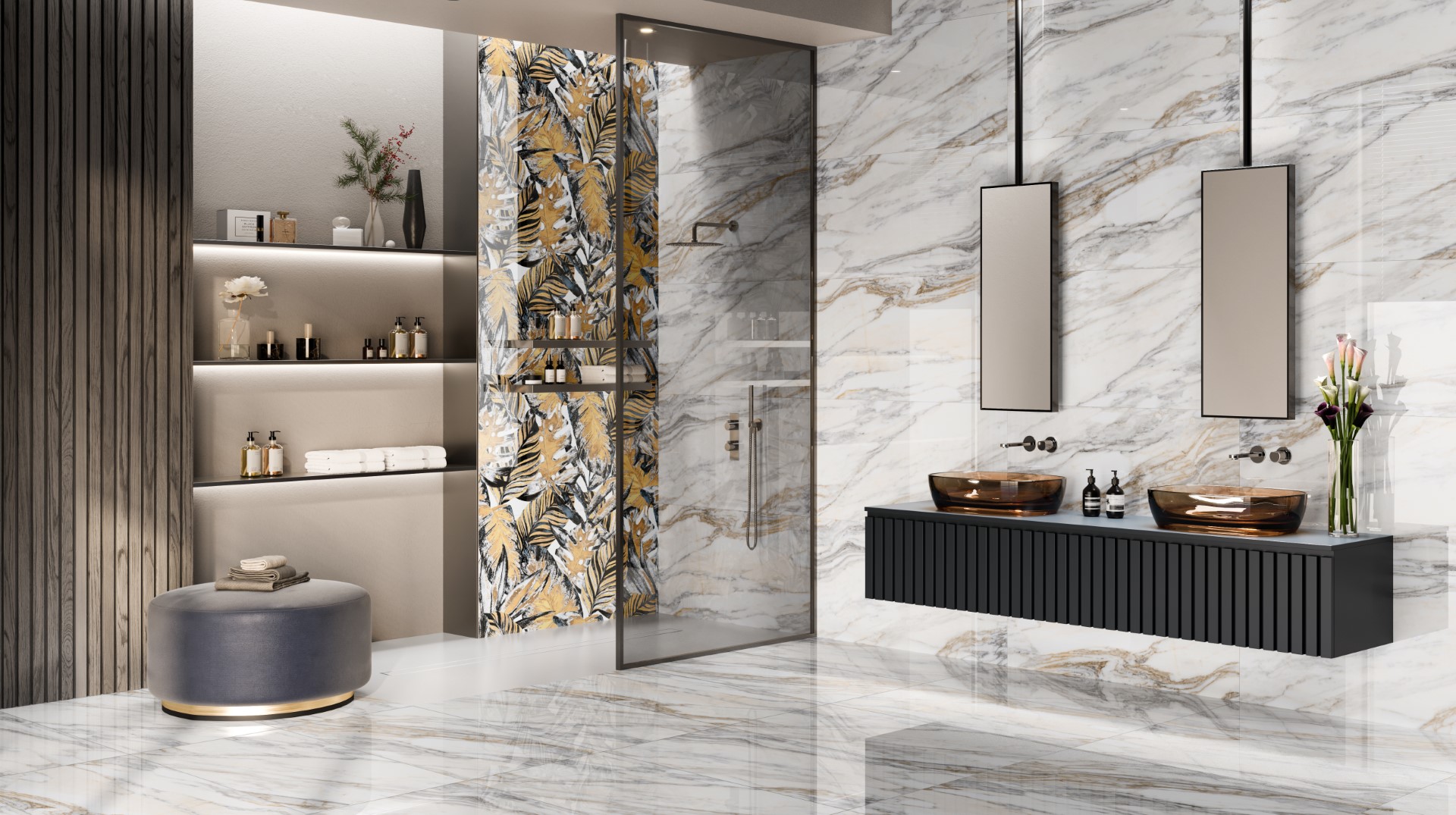
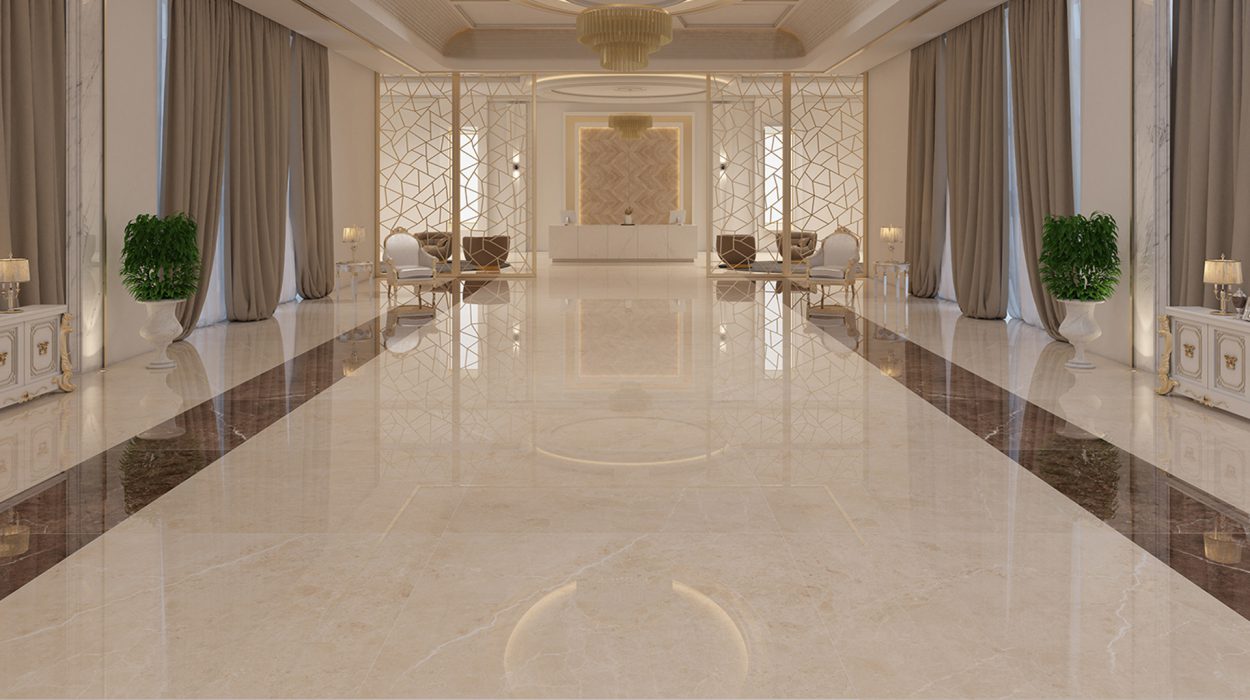
However, the story doesn’t end with raw materials. Unique Iranian designs, blending traditional arabesque and geometric patterns with modern elements, transform products from ordinary commodities into works of art. Luxury markets in Europe and North America are increasingly seeking such products with strong visual identity. Reports from the Trade Promotion Organization of Iran indicate that products with traditional-modern designs yield 35% higher profitability compared to simple patterns in export markets.
۱.۲ Technological Transformation: Quality Meeting European Standards
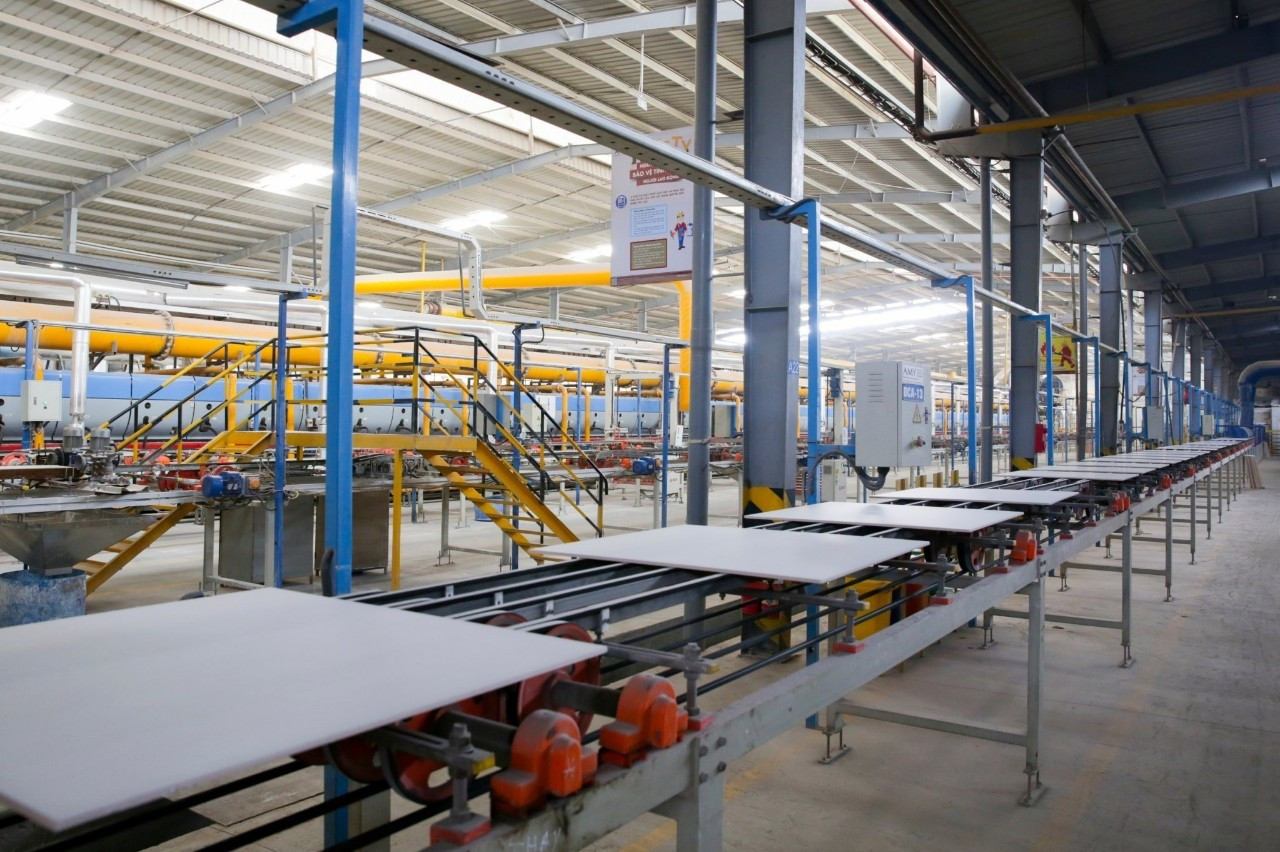
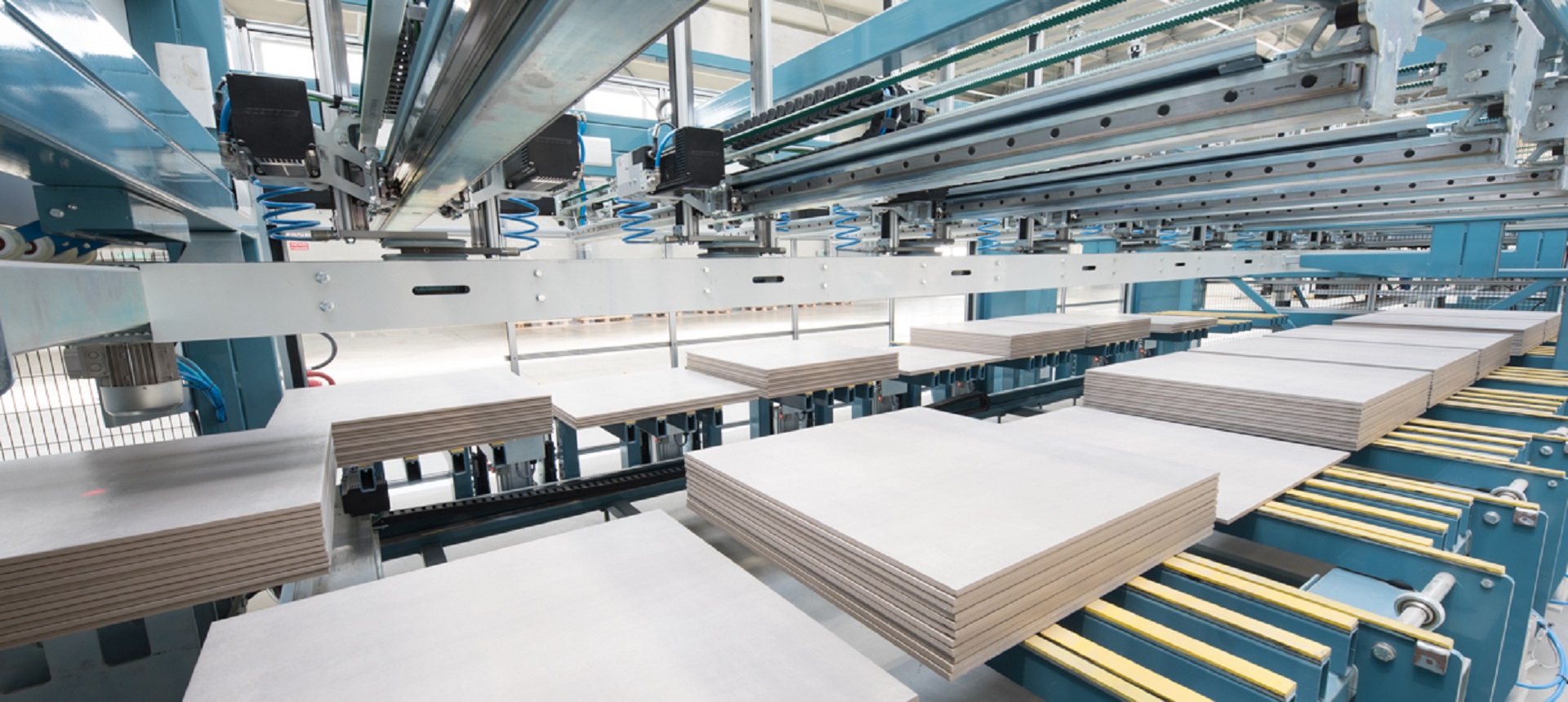
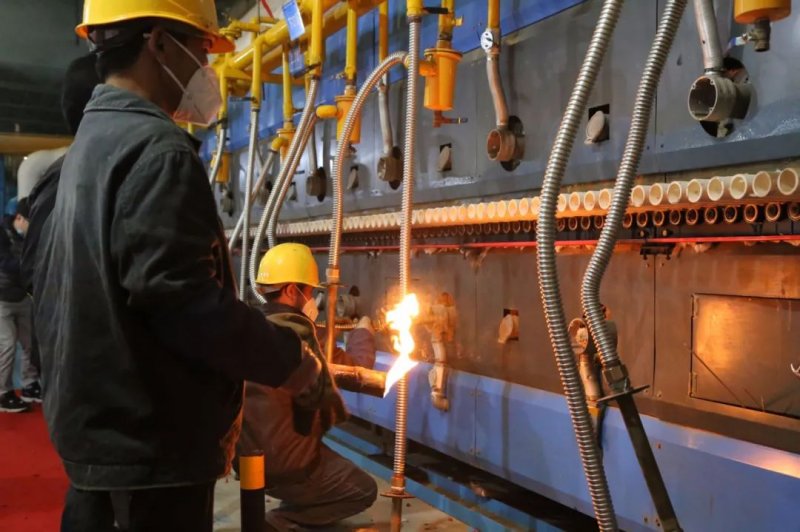
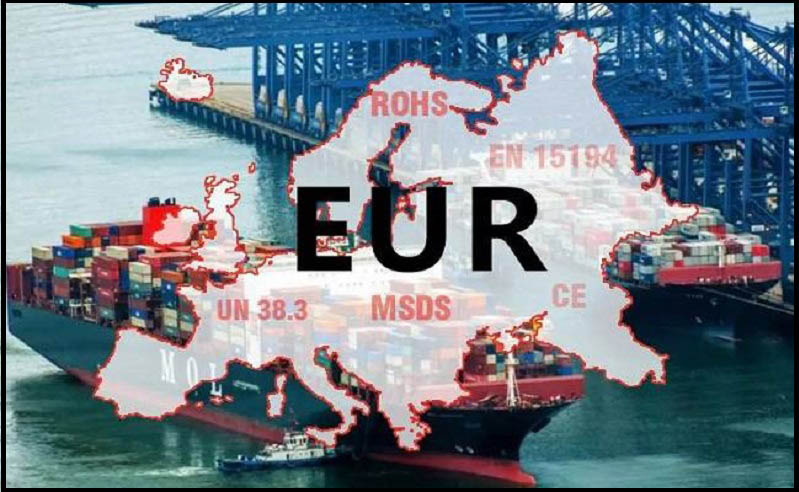
The old perception of Iran’s ceramic industry as traditional and low-tech is now completely obsolete. Major investments in the past decade have transformed production lines. Imports of advanced machinery from Italy and Germany, coupled with the development of domestic technical knowledge, have led to products that easily compete with European EN and American ASTM standards.
-
Uniform Thickness, Low Water Absorption: Hydraulic press technology and modern roller kilns produce items with superior technical specifications.
-
High-Definition Digital Printing: This technology enables the production of complex, customized designs for specific projects.
-
Porcelain Series: Production of porcelain ceramics with exceptional resistance and durability has opened the doors to the heavy commercial and office project markets.
Chapter 2: Analysis of Target Export Markets (2024-2026)
۲.۱ Traditional and Growing Markets
Iraq and Neighboring Countries: Remain the largest export destination for Iranian ceramics. Geographical proximity, reduced transportation costs, and shared cultural and aesthetic tastes are key factors in this success. Demand in these markets is predicted to grow steadily.
The Caucasus and Central Asia: Countries such as Azerbaijan, Turkmenistan, Kazakhstan, and Kyrgyzstan, with rapid growth in their construction sectors, have created golden opportunities. Iranian products, due to their balance of quality and price, are an ideal choice for these emerging economies.
۲.۲ Challenging but Profitable Markets: Europe and East Asia
Entering advanced markets requires a different strategy. The focus must be on niche markets.
-
Europe: Instead of directly competing with established Italian and Spanish brands in the residential sector, focus can be placed on commercial projects, hotels, and restaurants. Offering uniquely designed and customized products is the key to success. Also, attention to Sustainability aspects and production with minimal carbon footprint can create a competitive advantage.
-
Russia: Following recent geopolitical shifts and the exit of many European brands, a significant void has been created in the Russian market. This is a historic opportunity for a strong presence of Iranian products. Products with high durability suitable for cold climates are in high demand in this market.
-
China and Southeast Asia: It may seem surprising, but China, as the world’s largest producer, has increasingly become an importer of special and luxury ceramics. Iranian products with unique designs can capture a share of this luxury market.
Chapter 3: The Practical Process of Exporting Ceramics from Iran: A to Z
۳.۱ Product and Document Preparation (Pre-Export)
-
Mandatory Certificates: Obtaining the Iranian National Standard (ISIRI) certificate and the Certificate of Origin from the Chamber of Commerce.
-
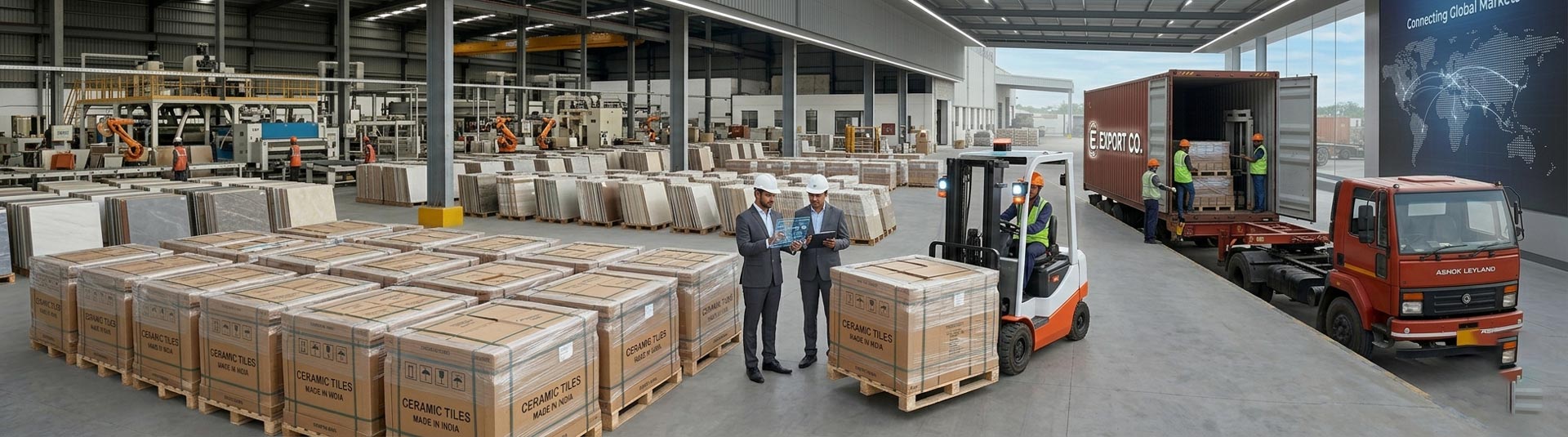
Full-Pallet Packaging: Sturdy, standardized packaging on wooden pallets complying with IPPC conditions to prevent damage on long routes.
-
Labeling: Including complete information such as dimensions, production code, grade, factory name, and international standard symbols on each package.
-
Insurance: Securing marine or land freight insurance (depending on the route) to cover potential risks.
۳.۲ Customs and Logistics Procedures
-
Order Registration: Registration in Iran’s Comprehensive Trade System (NTSW).
-
Obtaining Necessary Permits: Depending on the destination, specific permits may be required.
-
Cargo Assessment and Valuation: By customs experts.
-
Payment of Customs Duties and Fees: Based on the CIF value of the goods.
-
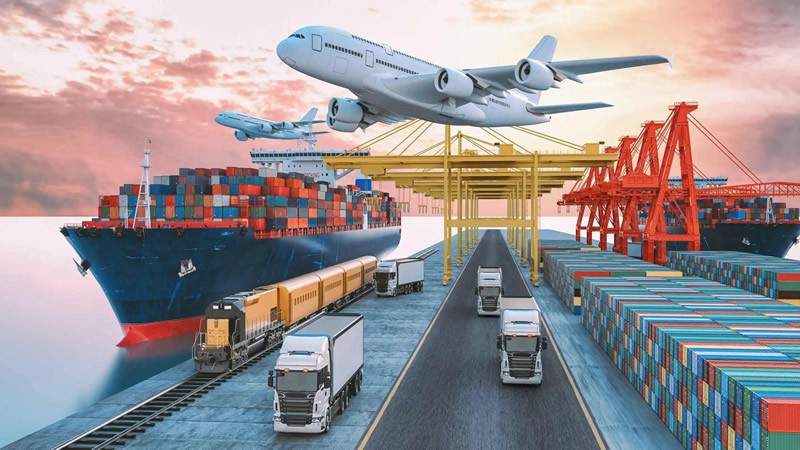
Cargo Clearance and Loading: Choosing the mode of transport (sea, land, rail) based on destination, cost, and time.
-
Sea Freight: The most economical method for distant destinations like Europe or East Asia.
-
Land and Rail Freight: Faster and suitable for neighboring countries and Russia.
-
Chapter 4: Answering Frequently Asked Questions (People Also Ask)
Question: What is the biggest challenge in exporting ceramics from Iran?
The main challenge is not product quality, but financial issues and money transfers. Banking sanctions complicate international transactions. Creative solutions such as using Third-Party Payment systems, barter exchanges in some markets, and focusing on markets where the use of national currencies is feasible can mitigate this challenge. Also, weak international marketing and branding is another challenge that can be addressed through a strong digital presence and participation in reputable global exhibitions.
Question: Is exporting ceramics to European countries profitable despite customs tariffs?
Yes, it is completely profitable, but requires a smart strategy. EU customs tariffs for tiles and ceramics typically range from 5% to 10%. The key to profitability is moving away from price competition and entering the realm of value competition. This means:
-
Focusing on products with high added value (special designs, unusual sizes, high-tech porcelain).
-
Targeting specific projects (hotels, shopping centers) where price is not the main deciding factor.
-
Reducing intermediary costs by establishing direct connections with importers or even large retailers (selective B2B or B2C).
Question: Which are the prominent Iranian ceramic brands for export?
Iran’s ceramic industry has both major brands active internationally (such as Isfahan China, Pars Ceramic, Saadi, etc.) and a huge number of mid-sized and small producers with excellent quality and export potential. For new traders, the best way is to attend the Tehran International Ceramic & Tile Exhibition, which annually hosts hundreds of domestic producers and foreign buyers. Also, Iranian B2B platforms like “IranShem” can be a suitable starting point for identifying suppliers.
Question: What is the future of Iran’s ceramic and tile industry in the global market?
The future is bright but conditional. Given global trends, demand for Eco-Friendly products, Smart Tiles (such as photovoltaic or antibacterial tiles), and customized products is growing rapidly. Iranian producers who can align themselves with these trends will capture a significant share of the future market. Furthermore, developing the export of technical and engineering services related to the installation and design using Iranian ceramics can create a new layer of revenue generation.
Conclusion: The Time for Action is Now
Iran’s ceramic industry is no longer a fledgling one; it is a sleeping giant gradually awakening. As we have examined, the unique combination of top-grade raw materials, authentic designs, and advanced technology forms a solid foundation for capturing a larger share of the global pie. Traditional neighboring markets are stable, and new, lucrative markets in Europe, Russia, and Asia are eager for products with identity and quality.
Success in this path no longer depends solely on product quality, but is tied to knowledge of international marketing, flexibility in payment methods, and agility in responding to diverse market needs. The years 2024 to 2026 are a transitional period and a golden opportunity for producers and traders who have the courage to move towards new frontiers.
Now that you know the roadmap, it’s time to take the first firm step. Are you looking to identify the best target market for your products? Or do you need competitor analysis and help formulating an international pricing strategy? To receive specialized consultation and design a personalized export program, contact our expert team. We would be delighted to hear your ideas and collaborate for the successful export of Iranian ceramics to all corners of the world.

نظرات ۰