

Master the European market with our 2026 guide on the Iranian ceramic tile industry . Learn about CE standards, CBAM regulations, and logistics to scale your exports profitably. Consult our experts today!
Breaking the “Glass Ceiling” of European Construction
As we move through 2026, the global construction landscape has reached a pivotal juncture. While traditional powerhouses like Italy and Spain continue to lead in brand prestige, a silent revolution has occurred within the Iranian ceramic tile industry . Statistics from early 2026 indicate that Iranian tile exports to Eastern and Central Europe have surged by 18%, marking a significant shift in sourcing strategies for European developers. But why now? And more importantly, how can an exporter navigate the labyrinth of European regulations, high quality-control thresholds, and complex logistics?
For many Iranian manufacturers, Europe has long been viewed as a “forbidden fruit”—highly profitable yet guarded by a fortress of certifications and “Green Deal” requirements. The primary pain point for exporters today is no longer production capacity; it is regulatory alignment. In a market where sustainability is as important as aesthetics, the barrier to entry has moved from the factory floor to the compliance office.
This guide serves as your comprehensive 2026 roadmap. We will explore the technical nuances of the European Union’s Carbon Border Adjustment Mechanism (CBAM), the specific design trends dominating the Paris and Berlin markets, and the logistical corridors that make Iranian products competitive despite geographical distances. By the time you finish this article, you will have a clear, actionable strategy to transition from a local manufacturer to a premium European supplier in the ceramic tile industry .
The 2026 Landscape of the Iranian Ceramic Tile Industry
The ceramic tile industry in Iran has transitioned from a volume-based model to a value-based one. As of 2026, the focus has shifted entirely toward high-tech porcelain slabs and eco-friendly ceramics.
The Technological Edge
To compete in Europe, Iranian factories have integrated Industry 4.0 standards. This includes AI-driven quality control systems that detect surface micro-cracks invisible to the human eye.
-
Digital Decoration: The use of 12-bar digital printers allows for “Sync-Effect” textures where the physical relief of the tile perfectly matches the visual grain of the marble or wood design.
-
Energy Optimization: Given Europe’s focus on the “embodied carbon” of building materials, top Iranian exporters are now utilizing hybrid kilns that significantly reduce the carbon footprint per square meter.
Why Europe is Looking Toward Iran
The European market is currently grappling with high inflation and energy costs that have crippled several traditional manufacturers in the EU. Iran’s competitive advantage lies in its energy-to-quality ratio. In 2026, an Iranian porcelain slab of “Grade A” quality can be delivered to a port in Romania or Poland at a price point roughly 35% lower than its Italian counterpart, without sacrificing technical specifications like water absorption or breaking strength.
Navigating European Standards: The Gateway to Market Entry
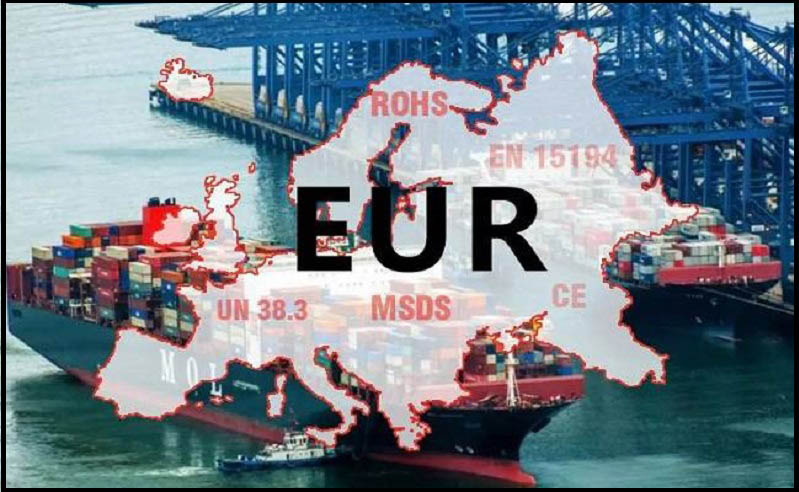
Entering the European ceramic tile industry requires more than just a good product; it requires a “Passport of Quality.” In 2026, this passport has several critical stamps.
۱. CE Marking and EN 14411
The CE mark is non-negotiable. It signifies that the product meets EU safety, health, and environmental requirements.
-
Technical Consistency: European labs (such as those in Germany or Italy) often require samples to undergo “stress tests” for frost resistance—a critical factor for Northern European climates.
-
Anti-Slip Ratings: For the European market, the “R-Rating” is paramount. Most commercial projects in the EU demand a minimum of R10 or R11 for outdoor and public spaces.
۲. The CBAM Factor (The 2026 Sustainability Barrier)
Perhaps the most significant change in 2026 is the full implementation of the Carbon Border Adjustment Mechanism (CBAM). The EU now imposes a carbon price on imports of certain goods, including ceramics.
-
Carbon Audits: Iranian exporters must provide verified reports on the $CO_2$ emissions generated during production.
-
The Green Advantage: Factories that have invested in solar arrays or waste-heat recovery systems in the ceramic tile industry are finding themselves at a massive advantage, as their “Carbon Tax” at the EU border is significantly lower.
۳. EPD (Environmental Product Declaration)
An EPD is a standardized document that communicates a product’s environmental impact over its lifetime. In 2026, most large-scale European architectural firms will not even consider a supplier who does not provide a verified EPD. It is no longer an “extra”; it is a “must-have.”
Design and Aesthetic Trends: What Europe Demands in 2026
To succeed in the European ceramic tile industry, you must design for European tastes, which differ drastically from the tastes of the Middle East or Central Asia.
The Rise of “Biophilic” Design
In 2026, the “Natural” look is dominant. This includes:
-
Matte and Honed Finishes: The high-gloss “polished” look is losing favor in Western Europe to matte finishes that feel more “organic.”
-
Earth Tones: Terracotta, sage green, and deep ochre are replacing the cold grays of the previous decade.
-
Large Format Slabs: The $۱۲۰ \times 280$ cm and $۱۶۰ \times 320$ cm formats are the standard for luxury European interiors, reducing grout lines and creating a seamless aesthetic.
Technical Porcelain vs. Decorative Ceramics
While wall tiles remain popular, the real growth is in Technical Porcelain. This product is through-body colored, meaning if the tile chips, the color remains the same throughout. This is a high-demand item for European airports, malls, and high-traffic public squares.
Logistics and Supply Chain: Connecting Iran to Europe
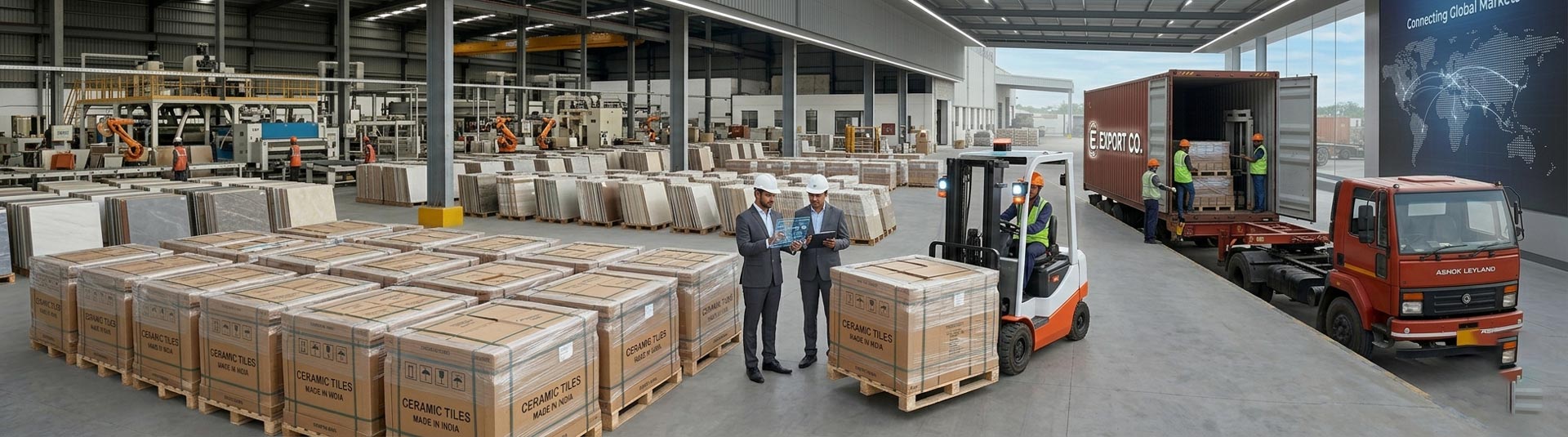
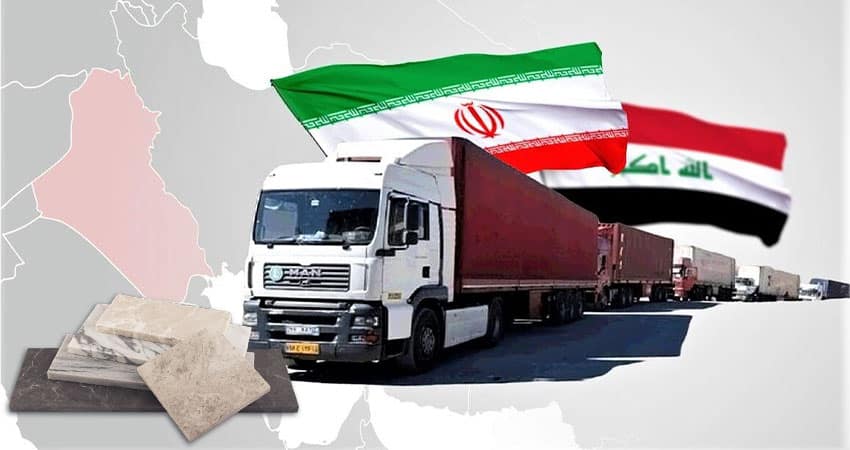
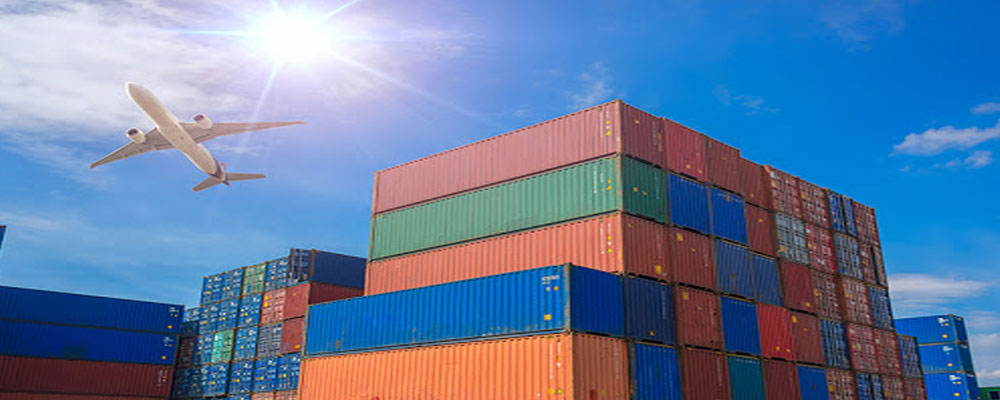
The logistical journey of the ceramic tile industry products to Europe is a game of geography and cost-optimization. In 2026, three main routes dominate the landscape.
۱. The Road Route (The Turkish Bridge)
This remains the fastest route. Trucks from Yazd or Isfahan travel through Turkey and into Bulgaria or Greece.
-
Pros: Door-to-door delivery; faster transit times (approx. 10–۱۴ days to Central Europe).
-
Cons: Higher cost per square meter compared to sea freight; susceptible to border delays.
۲. The Rail Corridor (The New Silk Road)
The rail connection through the International North-South Transport Corridor (INSTC) has become more viable in 2026.
-
Sustainability: Rail is much “greener” than trucking, helping importers lower their CBAM carbon scores.
-
Capacity: Ideal for massive bulk orders for government housing projects in Eastern Europe.
۳. Sea Freight (The Southern Route)
Shipping from Bandar Abbas to Mediterranean ports (like Trieste or Genoa).
-
Pros: Lowest cost for high-volume orders.
-
Cons: Longer lead times (25–۳۵ days); requires sophisticated packaging to withstand maritime humidity and movement.
| Route Type | Average Lead Time | Cost Index | Best For |
| Road | ۱۰–۱۵ Days | High | Luxury Slabs, Urgent Projects |
| Rail | ۲۰–۲۵ Days | Medium | Sustainability-focused projects |
| Sea | ۳۰–۴۰ Days | Low | High-volume wholesale orders |
Marketing and Brand Positioning: Competing with Italy and Spain
In the European ceramic tile industry, you are not just selling a product; you are selling a “Solution.” Iranian exporters must overcome the “Origin Bias” through superior branding.
۱. Establishing a European Presence
The most successful Iranian firms in 2026 are those with “Showrooms” or “Hubs” in Europe—specifically in places like Poland (the gateway to the East) or Spain (the heart of the industry). Having “local” stock allows you to fulfill the European “Just-in-Time” delivery model.
۲. Participating in Global Stages
Attendance at Cersaie (Italy) and Cevisama (Spain) is essential. However, in 2026, the focus has shifted to “Green” trade shows and digital twin technology, where European architects can walk through a virtual building clad in your tiles using VR headsets.
۳. Digital SEO and Content Marketing
For an exporter, your website is your digital factory.
-
BIM Objects: Providing “Building Information Modeling” files for your tiles is crucial. European architects use BIM software to design buildings; if your tile isn’t in their software, it won’t be in their building.
-
SEO for the EU: Target keywords like “Sustainable Porcelain Slabs,” “Custom Ceramic Solutions,” and “Eco-friendly Building Materials” to capture the intent of modern European buyers.
People Also Ask (PAA)
How much are the import duties for Iranian tiles in the EU in 2026?
Import duties vary by country and specific trade agreements, but the addition of the CBAM (Carbon Tax) is the most significant new cost. Generally, expect a base duty of 3–۵% plus the carbon adjustment fee based on your production’s $CO_2$ intensity.
Is the “Made in Iran” label a disadvantage in Europe?
In the premium segment, “Made in Iran” is increasingly recognized for its durability and raw material quality. However, many exporters choose to highlight their specific Regional Brand (e.g., “Yazd Porcelain”) to differentiate themselves.
Can I export tiles to Europe during sanctions?
While some financial restrictions exist, construction materials like those in the ceramic tile industry are generally not under direct sanctions. Most exporters use intermediary banking systems in the UAE, Oman, or Turkey to facilitate Euro-based transactions.
Conclusion: The Road Ahead for Iranian Exports
The year 2026 represents a “Golden Window” for the Iranian ceramic tile industry . The combination of Iran’s technological maturity, its massive energy advantage, and Europe’s desperate need for cost-effective, high-quality building materials has created a perfect storm of opportunity.
However, success is no longer guaranteed by low prices alone. The “Winners” of 2026 will be the companies that embrace The Green Transition. By investing in EPDs, lowering carbon footprints, and mastering the digital tools that European architects use, Iranian manufacturers can move from being “Alternative Suppliers” to “Primary Partners.”
The journey from a desert factory to a Parisian penthouse is complex, but the path is now clearly paved with digital innovation and environmental responsibility. The question is no longer whether Iran can compete with Europe—it is whether your business is ready to meet the standards that Europe demands.

نظرات ۰