

Recent market analysis reveals a significant shift in consumer preferences. Over 65% of homeowners now seek unique spatial experiences. Flat, monochromatic surfaces no longer satisfy modern design demands. People crave depth, tactile engagement, and visual intrigue. This shift presents a challenge for designers and manufacturers alike. How do you balance aesthetics with functionality? The answer lies in strategic mixing.
This article explores the emerging trends defining 2026. We examine the power of combining different surfaces. You will learn how textures influence spatial perception. We also analyze the technical capabilities driving these changes. The Tile and Ceramic Industry is evolving rapidly to meet these needs. Readers will gain actionable insights for residential and commercial projects. Expect detailed examples and data-driven recommendations. Our goal is to eliminate guesswork from your design process. You will understand how to create harmonious yet dynamic environments. Let us explore the future of surface design together.
The Current State of the Tile and Ceramic Industry
The history of surface design shows a clear trajectory. Early designs focused primarily on uniformity and consistency. Manufacturers prioritized mass production over individual expression. Standardized gloss levels were the norm for decades. However, the Tile and Ceramic Industry has moved away from this rigid approach. Consumers now demand character and uniqueness in their spaces. This demand drives innovation in production techniques.
Data from 2024 indicates a 40% increase in textured product sales. Designers are rejecting the perfect, sterile look of the past. They seek imperfections that mimic natural materials. Stone, wood, and concrete effects are now highly sophisticated. The Tile and Ceramic Industry invests heavily in digital printing technologies. These tools allow for infinite variation within a single batch. No two tiles need to look exactly alike anymore. This variability creates a more organic feel in interiors.
Consumer Behavior Shifts
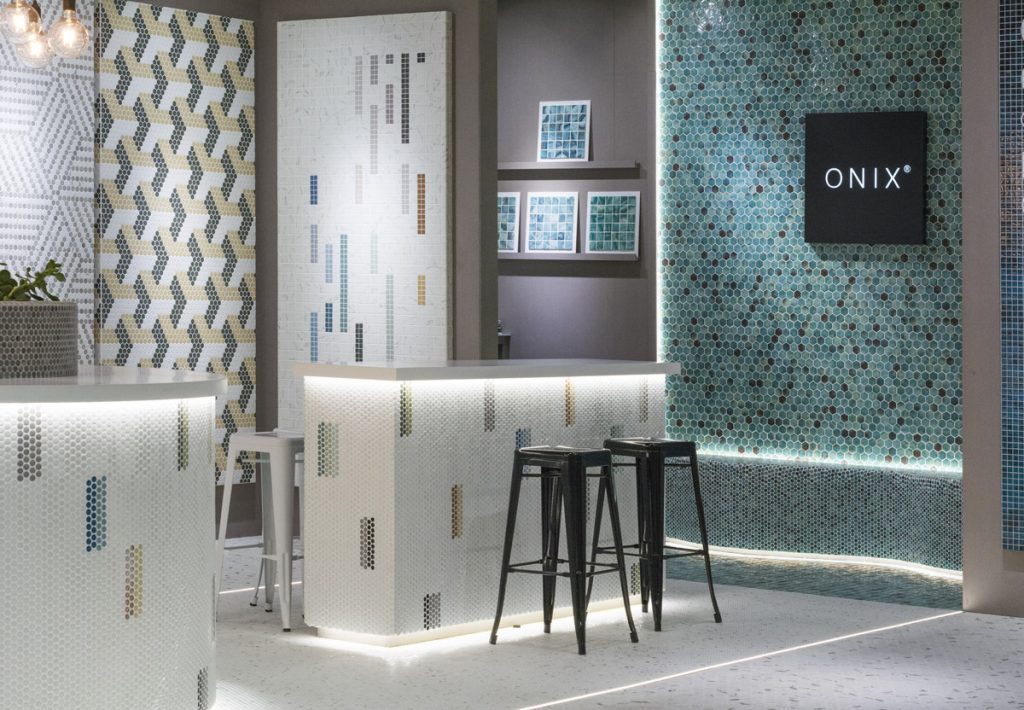
Uniformity once signaled quality and precision in manufacturing. Today, it often signals boredom and lack of creativity. Controlled chaos introduces visual interest without creating disorder. Designers use varying shades within the same color family. They mix different sizes to break up monotony. The Tile and Ceramic Industry supports this with modular sizing options. Rectangular, hexagonal, and irregular shapes coexist seamlessly.
This approach requires careful planning and execution. Randomness must feel intentional rather than accidental. Designers use mood boards to test combinations beforehand. They consider lighting conditions and traffic flow. The Tile and Ceramic Industry provides samples to facilitate this testing. Physical interaction with samples is crucial for decision-making. Digital renderings often fail to capture tactile nuances. Therefore, physical prototypes remain essential in 2026.
Statistical Overview
Modern design is no longer based solely on intuition. Analytics play a major role in product development. Manufacturers track search trends and sales data closely. This information guides the creation of new collections. The Tile and Ceramic Industry uses AI to predict color popularity. This reduces waste and ensures market relevance. Designers also use data to understand user behavior.
High-traffic areas require different solutions than private spaces. Data shows that matte finishes reduce slip accidents significantly. Glossy surfaces reflect light but show scratches easily. The Tile and Ceramic Industry responds with hybrid finishes. These surfaces offer shine without the maintenance drawbacks. Understanding these metrics helps professionals make safer choices. It also ensures longevity for the end user. Data validates the shift towards mixed textures.
The Psychology of Mixed Finishes
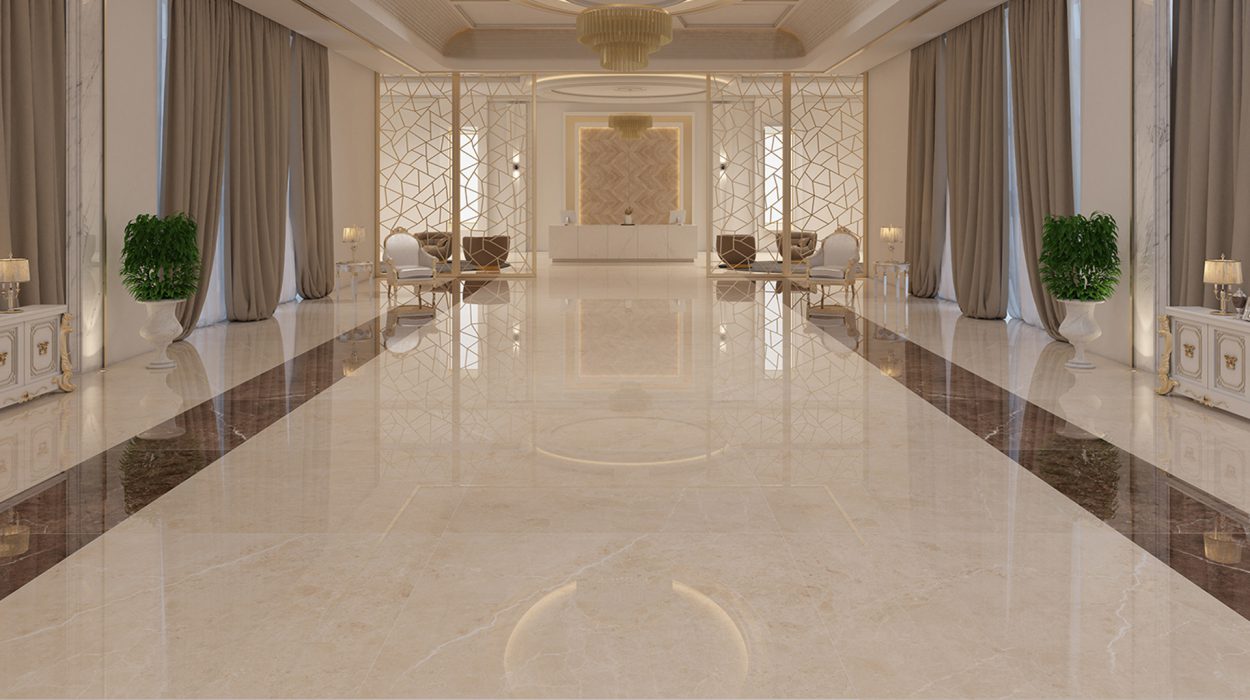
Texture defines how a space feels underfoot and to the touch. It influences acoustics and light reflection within a room. Smooth surfaces tend to amplify sound and glare. Textured surfaces absorb noise and diffuse light softly. The Tile and Ceramic Industry now offers a spectrum of tactile options. From polished glass to rough stone effects, choices are vast. Selecting the right texture depends on the room’s function.
Visual Weight Distribution
Human beings connect with environments through touch. Bare feet on a cool, structured surface feel grounding. This sensory experience enhances overall well-being. Designers prioritize this connection in residential projects. The Tile and Ceramic Industry creates surfaces that mimic natural erosion. These textures tell a story of time and weathering. They add emotional depth to architectural elements.
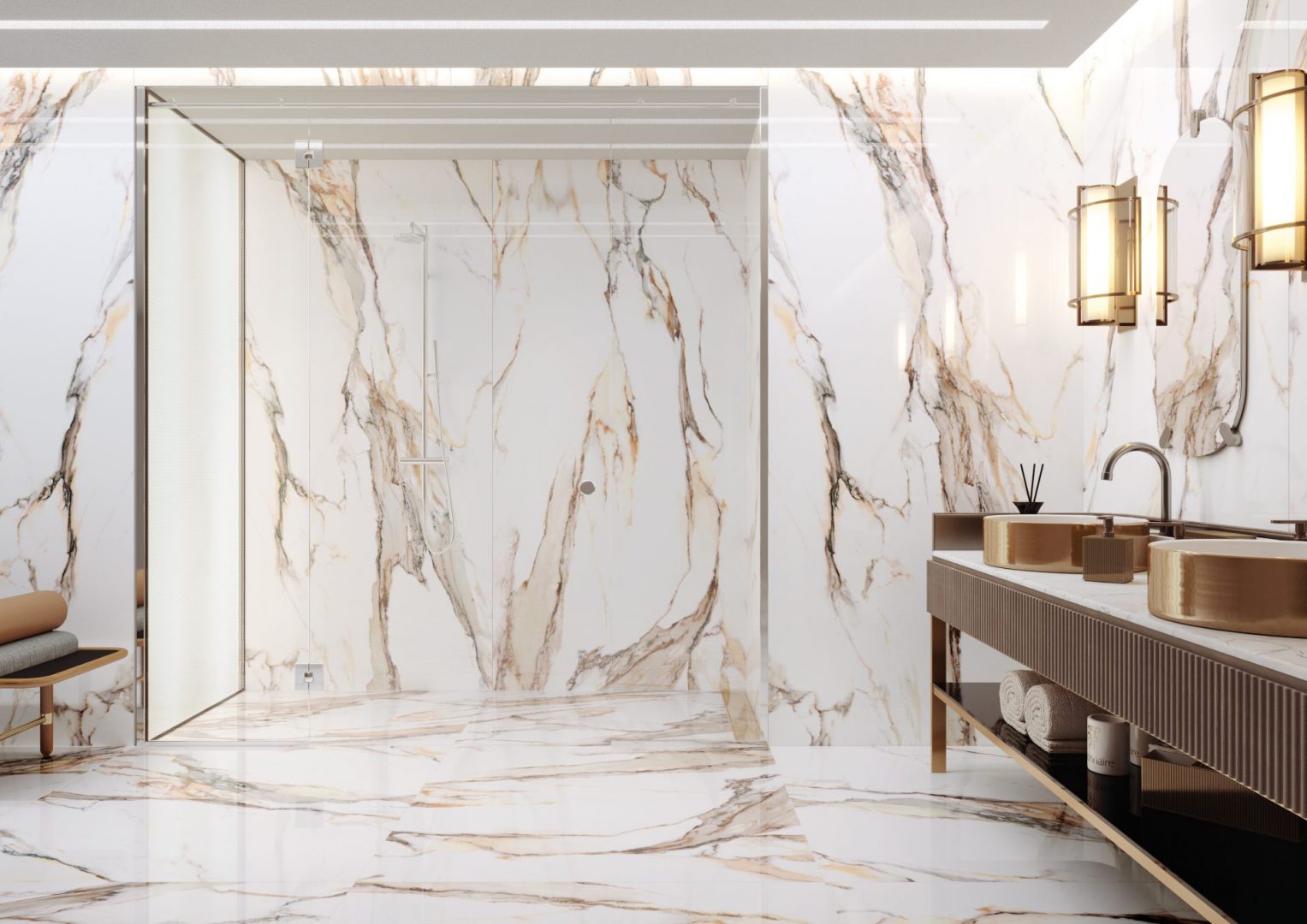
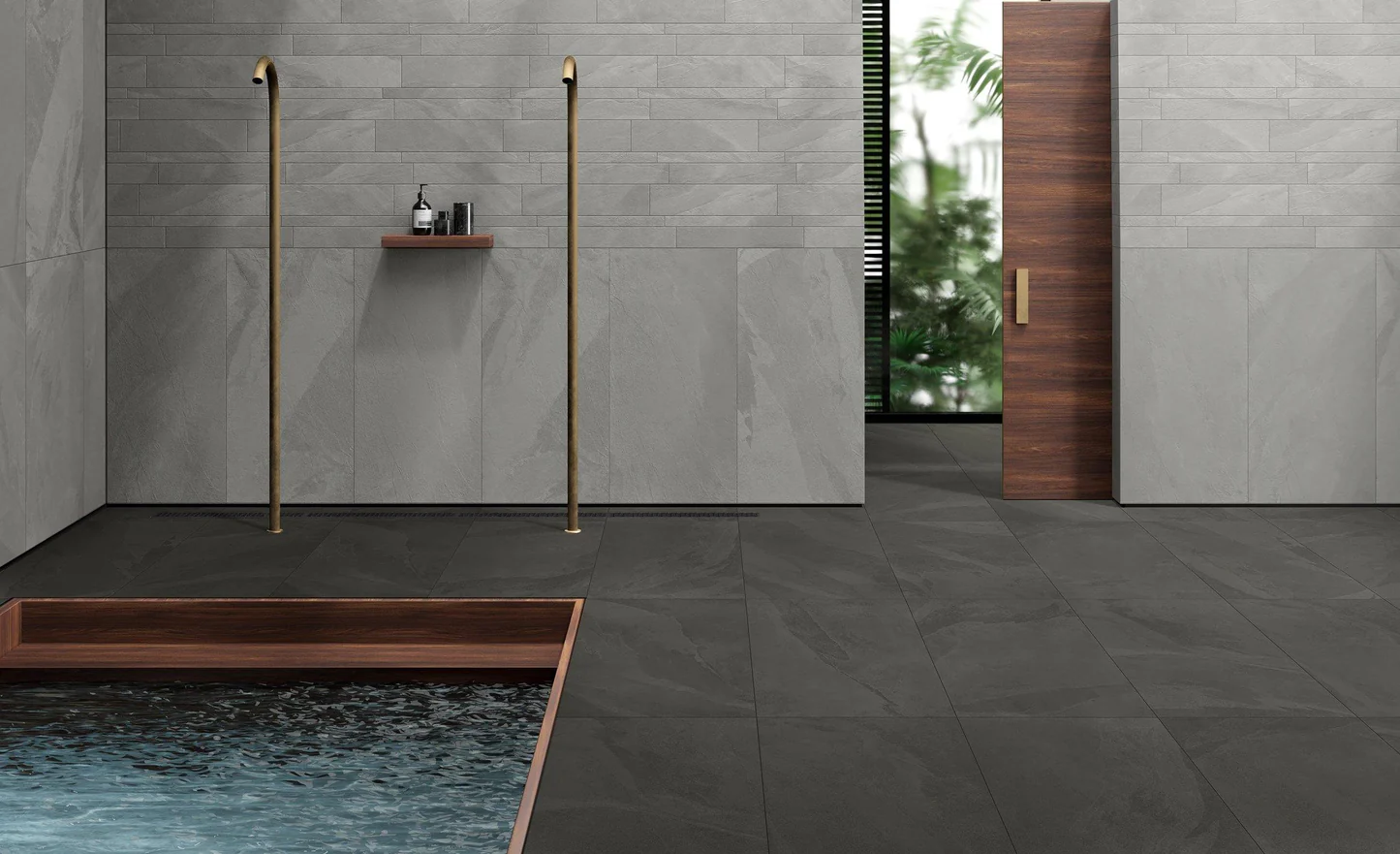
Consider the bathroom as a primary example. Wet zones require grip and safety. Dry zones can afford smoother finishes for comfort. Mixing these textures defines the zones clearly. The Tile and Ceramic Industry provides coordinated collections for this purpose. A single series may offer three different surface grades. This ensures visual continuity while meeting safety standards. Users feel secure without sacrificing aesthetic appeal.
PAA: How Many Finishes Should You Mix?
Users often wonder about the limits of variety. There is no fixed number, but cohesion is key. If the eye cannot rest, the design fails. Three textures usually provide sufficient variety. Adding a fourth requires strong justification. The Tile and Ceramic Industry advises caution with highly patterned items. Complex patterns act as textures themselves. Combining them with structured surfaces creates noise.
Functionality often dictates the limit in commercial settings. Cleaning protocols become complex with too many variations. Grout lines accumulate dirt differently on rough surfaces. The Tile and Ceramic Industry provides maintenance guides for mixed installs. Facility managers need clear instructions for upkeep. Simplicity often wins in high-traffic public zones. Residential spaces allow for more experimental freedom.
Technical Challenges in the Tile and Ceramic Industry
Mixing materials requires an understanding of visual weight. Heavy textures dominate a space if used excessively. Lighter finishes recede and create background stability. The Tile and Ceramic Industry categorizes products by visual intensity. Designers use these categories to build balanced compositions. The goal is harmony, not competition between surfaces.
Installation Complexities
Successful mixing follows established design principles. Limit the palette to three distinct textures maximum. This prevents visual clutter and confusion. Choose one dominant texture for large surface areas. Use secondary textures for accents and boundaries. The Tile and Ceramic Industry offers trim pieces to bridge these gaps. Transition strips ensure safety and visual flow between materials.
Color temperature must remain consistent across materials. Warm woods pair well with warm stone effects. Cool metals complement concrete looks. The Tile and Ceramic Industry standardizes color temperatures across collections. This reduces the risk of clashing tones. Designers should always view samples together in situ. Lighting changes color perception significantly. What looks good in a showroom may fail onsite.
Maintenance Protocols
Different surfaces require different cleaning approaches. Using the wrong chemicals can damage finishes. The Tile and Ceramic Industry provides specific care instructions. Ignoring these guidelines voids warranties often. Proper maintenance preserves the design intent long-term. Structured tiles trap dirt in crevices more easily. Smooth tiles show water spots and streaks.
The Tile and Ceramic Industry recommends specific brush types for cleaning. Automatic scrubbers may damage raised textures. Manual cleaning is sometimes necessary for detailed areas. Sealing grout lines prevents stain penetration effectively. Chemical pH levels matter for ceramic surfaces. Acidic cleaners etch polished finishes permanently. The Tile and Ceramic Industry suggests neutral pH solutions generally. Regular sweeping removes abrasive particles before mopping.
Sector-Specific Applications
Homes are personal sanctuaries reflecting individual taste. Mixed surfaces allow for zoning without walls. Different textures define living areas from dining spaces. The Tile and Ceramic Industry supports open-plan living concepts. Floors can guide movement through a house subtly. This avoids the need for physical barriers.
Residential Spaces
Kitchens benefit from distinct zone definitions. Cooking areas need durable, easy-clean surfaces. Prep areas can feature warmer, softer textures. The Tile and Ceramic Industry offers slip-resistant options for wet zones. Bathrooms use texture to create spa-like atmospheres. Shower floors require grip for safety. Wall niches can feature contrasting gloss for luxury.
Vanity tops often mix with floor textures intentionally. A matte floor pairs with a polished countertop. The Tile and Ceramic Industry creates coordinating slab and tile options. This ensures a seamless look between horizontal and vertical planes. Lighting under cabinets highlights floor textures effectively. Designers use light to enhance the material quality. These details elevate the perceived value of the home.
Commercial Environments
Commercial spaces face higher stress than residential ones. Durability cannot be compromised for aesthetics. The Tile and Ceramic Industry engineers products for heavy loads. Mixed surfaces must withstand constant foot traffic. Maintenance costs are a major consideration for businesses. Airports and malls use texture for wayfinding. Rough surfaces indicate waiting areas or transitions.
Smooth surfaces indicate main pathways. The Tile and Ceramic Industry provides tactile paving solutions. These assist visually impaired individuals in navigation. Safety regulations often mandate specific texture levels. Designers must balance branding with functionality. Logos may require specific finish treatments. The Tile and Ceramic Industry offers custom branding integration. Durability tests ensure logos do not wear off quickly.
Sustainability and Innovation
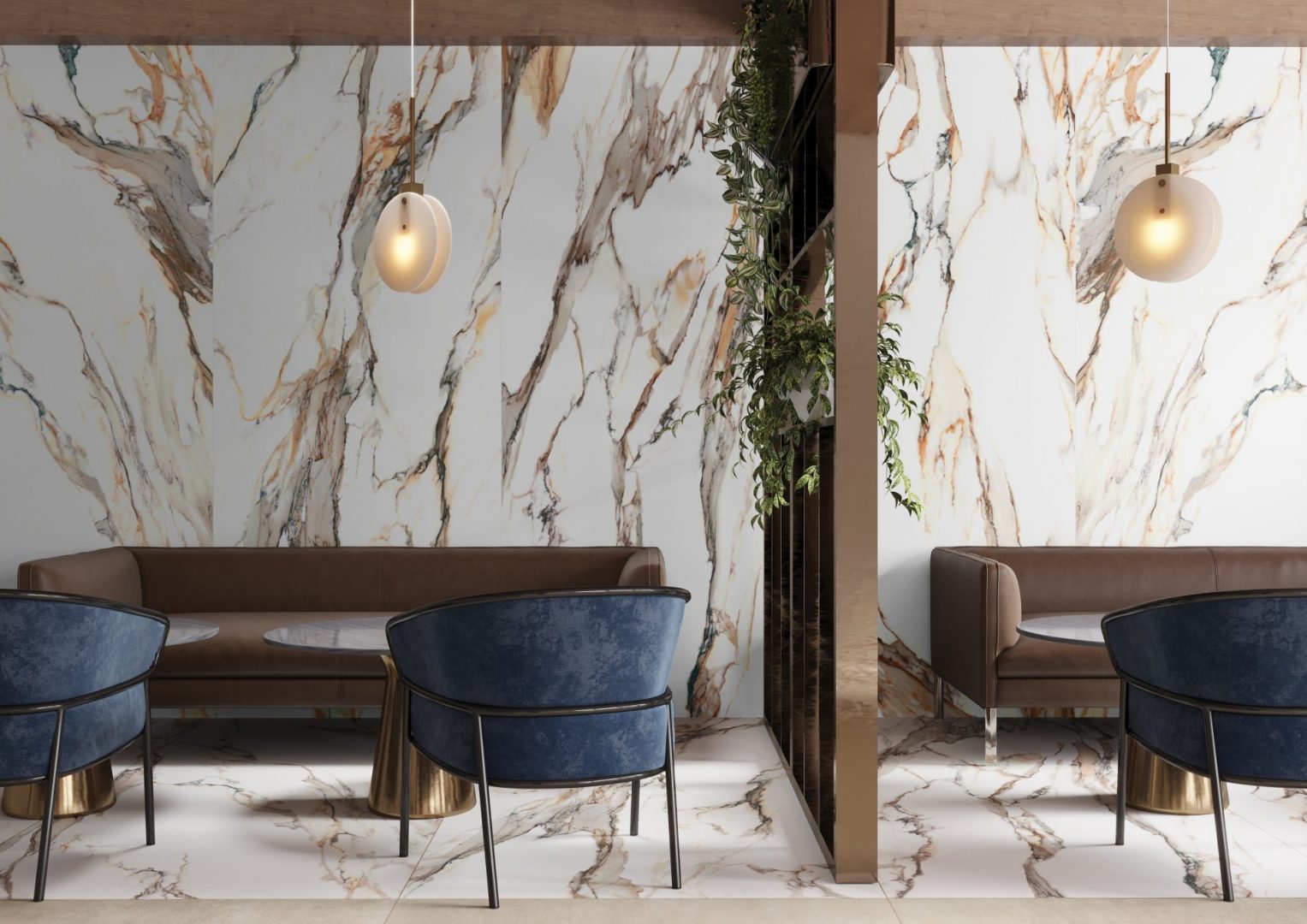
Innovation fuels the ability to mix surfaces effectively. Digital inkjet printing allows for hyper-realistic details. Manufacturers can replicate natural stone veins precisely. The Tile and Ceramic Industry invests millions in research and development. These investments result in durable, beautiful products. Technology also improves sustainability metrics significantly.
Eco-friendly Materials
Environmental concerns influence material selection heavily. Recycled content is becoming standard in many lines. Manufacturing processes consume less water and energy. The Tile and Ceramic Industry aims for carbon neutrality by 2030. Mixed surface designs often use less material overall. Strategic placement reduces waste during installation.
Durability contributes to sustainability as well. Long-lasting surfaces reduce replacement frequency. The Tile and Ceramic Industry tests products for decades of wear. Mixed textures often hide wear better than uniform ones. Scratches are less visible on structured surfaces. This extends the aesthetic life of the installation. Clients appreciate the long-term value proposition. Sustainability is now a core selling point.
Tech Integration
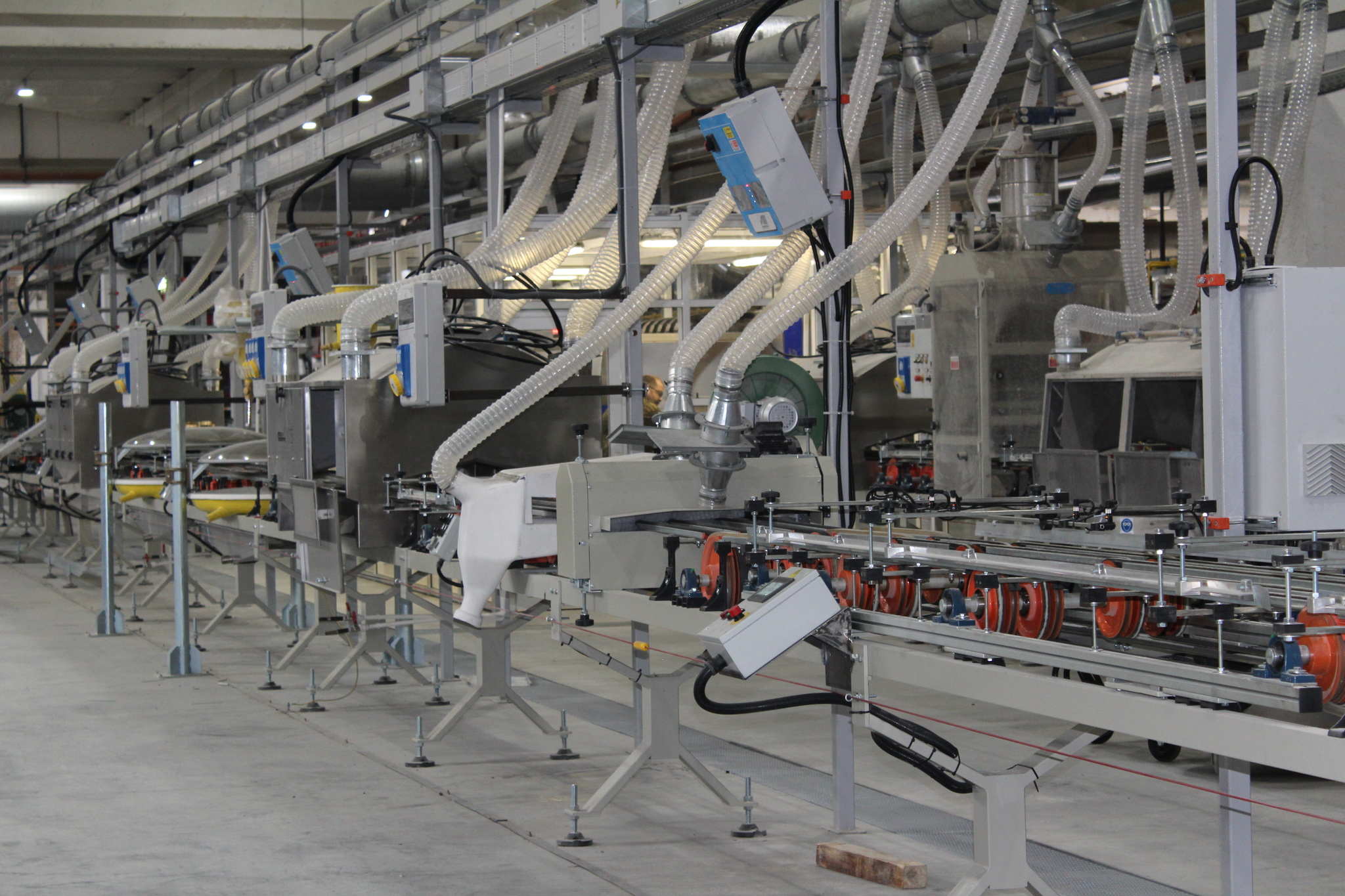
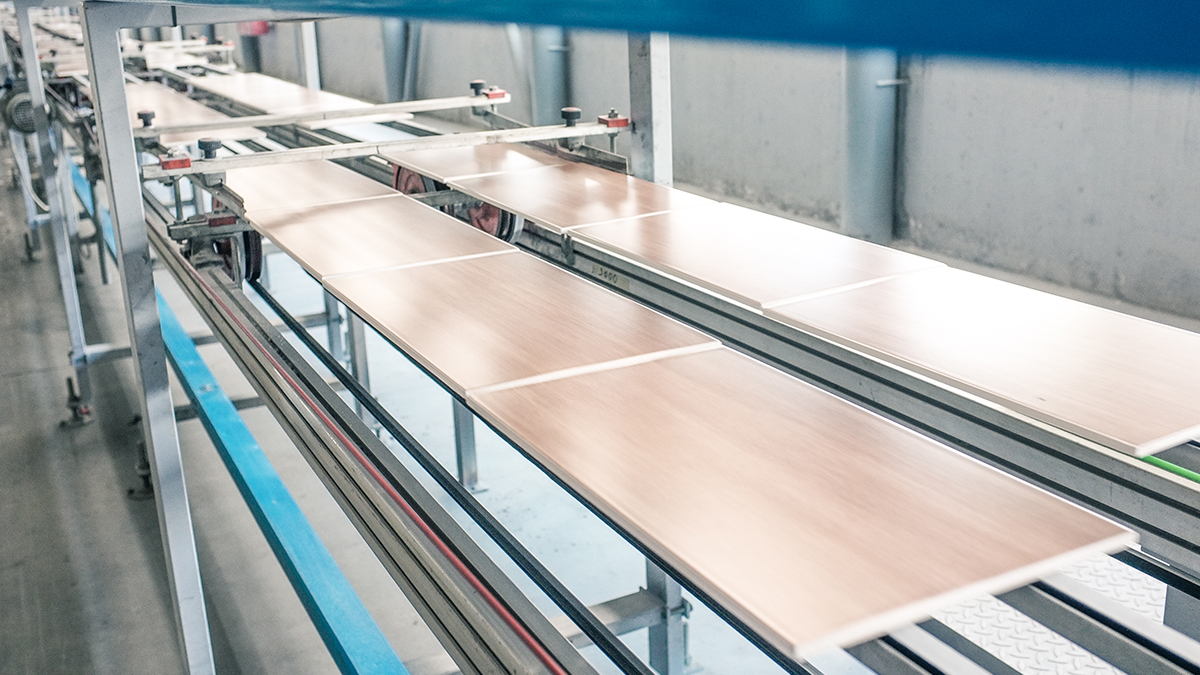
Glazing determines the final look and feel of a tile. Digital controls allow for variable thickness application. This creates raised effects that mimic natural ridges. The Tile and Ceramic Industry uses robotic arms for precise placement. Human error is minimized in the production line. Consistency remains high even with varied designs.
These technologies enable custom designs for large projects. Architects can specify unique patterns for lobbies. The Tile and Ceramic Industry accommodates bespoke orders more easily now. Lead times have decreased due to automation. This flexibility encourages more creative experimentation. Designers no longer feel limited by catalog options. They can create signature looks for clients. Future predictions suggest even greater customization capabilities.
Conclusion
The landscape of surface design is changing rapidly. Mixing surfaces, textures, and finishes defines 2026 trends. The Tile and Ceramic Industry leads this transformation with innovation. Designers now have unprecedented tools for creativity. Users benefit from spaces that engage multiple senses. Balance remains the key to successful implementation.
Data supports the shift towards tactile diversity. Homeowners and businesses seek unique identities. The Tile and Ceramic Industry responds with versatile product lines. Technology enables precision in mixed material installation. Sustainability drives material choices alongside aesthetics. Maintenance protocols ensure longevity for these complex designs.
Future predictions suggest even greater customization capabilities. AI may soon recommend texture combinations automatically. The Tile and Ceramic Industry will continue integrating smart features. Surfaces might change properties based on environmental conditions. For now, mastering the current mix is essential. Professionals must stay updated on technical specifications.
We invite you to elevate your next project with confidence. Our team understands the nuances of modern surface design. Contact our specialists for a detailed consultation today. Let us help you navigate the Tile and Ceramic Industry offerings. Achieve a space that is both beautiful and functional. The future of design is textured and diverse. Embrace the power of mixing surfaces now.

نظرات ۰