
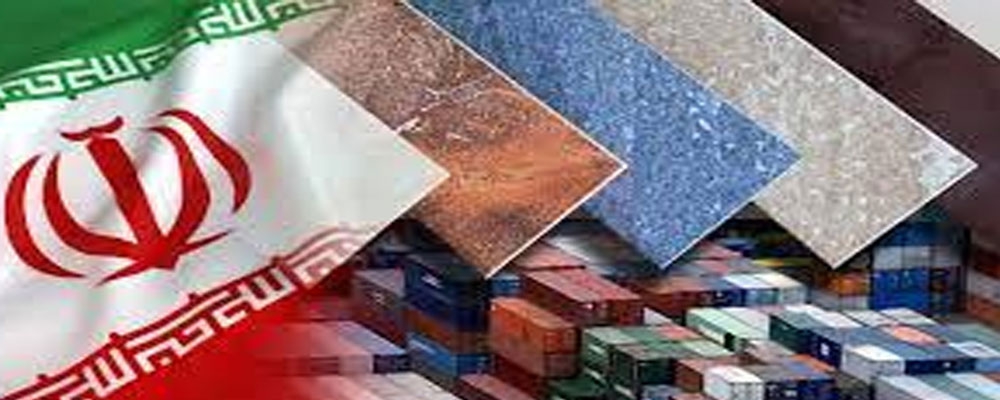


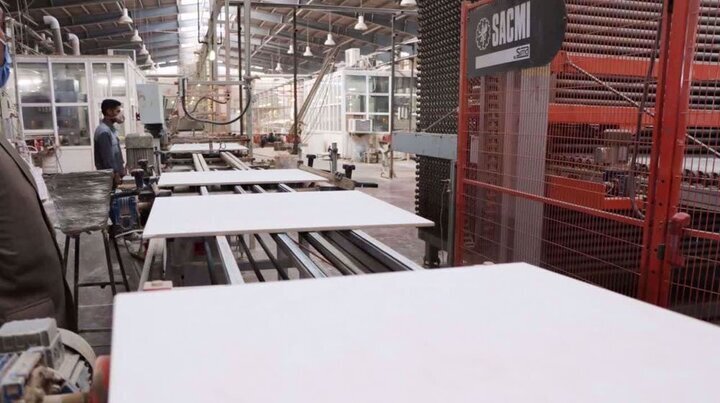
Did you know that this year, the kilns of approximately 30% of the country’s tile and ceramic production lines have gone cold? This figure is not just a dry economic statistic; it is a loud warning bell for all activists, investors, and managers in this industry. Imagine walking into a factory where, just yesterday, the sound of machinery and the bustle of workers filled the air, but today, a heavy silence caused by currency fluctuations and a liquidity crunch has taken over. Iran’s tile and ceramic industry, long recognized as a driver of non-oil exports, is now trapped in a vortex of instantaneous exchange rate changes and contractionary policies.
But is this the end of the road? Certainly not. Iran’s economic history has shown that crises always conceal opportunities for smart managers. While the shock of currency fluctuations to the tile and ceramic industry has dealt heavy blows and led to a tangible drop in exports, there are still ways to survive and even grow.
In this comprehensive article, we go beyond daily news. We are not here to merely state the problem; we intend to dissect the exact impact of the dollar on the supply chain, production, and exports, drawing a practical roadmap to navigate this storm. If you are a factory manager, an exporter, or active in this industry’s supply chain, this article is written precisely for you to save your business with bulletproof strategies.
Part 1: Dissecting the Currency Shock; Why Did 30% of Production Stop?
To treat a disease, we must first accurately identify its root cause. Why have currency fluctuations had such a devastating effect on the tile and ceramic industry? Isn’t a large portion of raw materials (soil and mines) domestic? The answer lies in the details.
۱. Hidden Dependency on Imports:
Although soil and kaolin are sourced from Iranian mines, the critical bottlenecks of the tile industry are highly currency-dependent:
-
Glaze and Printing Ink: The quality and aesthetics of tiles and ceramics owe much to glazes and digital inks, a significant portion of which is imported (mainly from Spain and China). With the exchange rate spike, the cost price of this segment has increased by up to 300%.
-
Machinery Spare Parts: Most modern production lines in Iran are Italian or Chinese. The failure of a small electronic component and the need to import it with free-market currency can halt a production line for weeks.
-
Alumina Balls: These are required for grinding raw materials, and their price fluctuates directly with the dollar.
۲. The Working Capital Crisis:
When the price of currency doubles, the factory needs double the liquidity to purchase the same amount of raw materials. Banks have restricted facilities, and post-dated checks have lost credibility in the market. The result? The producer cannot afford raw materials and is forced to reduce production capacity. This is the main reason for the 30% drop in production.
Operational Tip:
As a production manager, you must immediately perform a “Currency Sensitivity Analysis.” List all raw materials and parts and identify which are directly dependent on the dollar. For critical items, develop a 3 to 6-month stockpiling strategy.
Part 2: The Export Paradox; Why Didn’t the Expensive Dollar Benefit Exporters?
In classic economic theories, the devaluation of the national currency should lead to an export boom. But why are we witnessing a decline in tile and ceramic exports simultaneously with the rising dollar in Iran? This section is vital for exporters.
۱. Forex Commitment and the NIMA System:
The biggest hurdle is the price gap between the free market currency and the NIMA system (government-mandated rate). The exporter procures raw materials and parts at rates close to the free market but is forced by the government to sell the foreign currency earned from exports at the NIMA rate (which is much lower). This means the export profit margin becomes effectively zero or negative.
۲. Rising Logistics Costs:
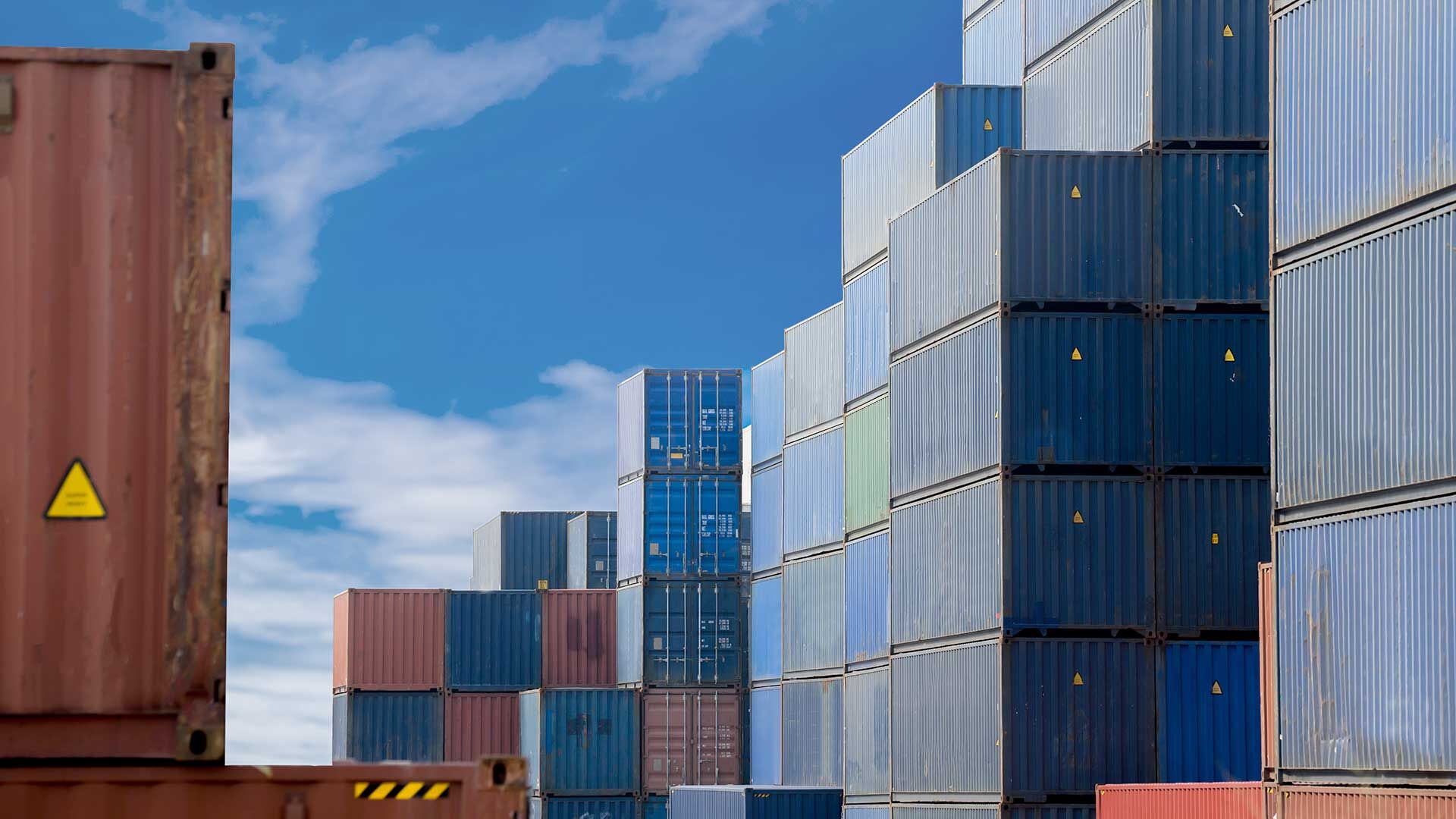
Sea and land transport costs increase with currency fluctuations. Containers are calculated in dollars. Tiles are heavy and bulky products, and transportation accounts for a high share of the final price. With the dollar becoming more expensive, the competitive pricing advantage of Iranian tiles in target markets (like Iraq, Pakistan, and Eurasia) has faded.
۳. Negative Internal Competition:
Due to reduced domestic demand (caused by the construction recession), many producers have rushed to export markets. This strategy-free rush has caused a “Price War” among Iranian companies in markets like Iraq, ultimately driving down the export price of Iranian tiles.
Comparison Table of Export Challenges:
| Challenge | Status Before Currency Crisis | Current Status | Proposed Solution |
| Currency Return | Free market exchange houses | NIMA system with mandated rates | Bartering goods for raw materials |
| Freight Cost | Reasonable and in Rial | Dollar-based and surging | Focus on neighboring markets (Land) |
| Competition | Quality-oriented | Price-oriented (Dumping) | Branding and focusing on slab ceramics |
Part 3: Supply Chain Management in the Storm of Fluctuations
Now that we understand the problem, let’s move to the operational phase. How should the supply chain be managed when tile production is facing challenges?
۱. Moving from JIT (Just-in-Time) to Strategic Stockpiling:
In stable conditions, the Just-in-Time system is excellent. But in Iran’s inflationary economy, “converting cash into commodities” is the winning move. Raw materials do not spoil (except for some specific chemicals). Converting Rials into soil, glaze, and cartons is the best form of risk hedging.
۲. Supplier Diversification:
You must not rely on a single supplier for glaze or ink. If that supplier fails to get currency allocation, your line stops.
-
Action: Have at least 3 suppliers for every critical material (one foreign, two domestic or intermediaries).
۳. Floating Contracts:
Sign contracts with suppliers that have price adjustment formulas rather than fixed prices. This might seem disadvantageous to the buyer, but it guarantees that the supplier won’t cancel the contract midway to sell the goods to someone else. Supply security is more important than a low price in the short term.
Supply Management Checklist:
[ ] Check inventory of Critical Spares.
[ ] Identify domestic alternatives for glaze and paint.
[ ] Negotiate for long-term credit purchases against property collateral (instead of cash).
Part 4: Pricing and Sales Strategies in a Recessionary Market
When production drops by 30%, competition to sell the remaining 70% is fierce. How do we price so that the customer buys, and we don’t lose money?
۱. Dynamic Pricing:
The era of printing seasonal price lists is over. Your prices must be a function of the daily rate of raw materials. Update your accounting software to calculate the cost price in real-time based on the latest purchase rates.
۲. Product Mix Adjustment:
Producing low-end cheap tiles is not justifiable in these conditions because the profit margin is thin, and rising costs wipe out the profit entirely.
-
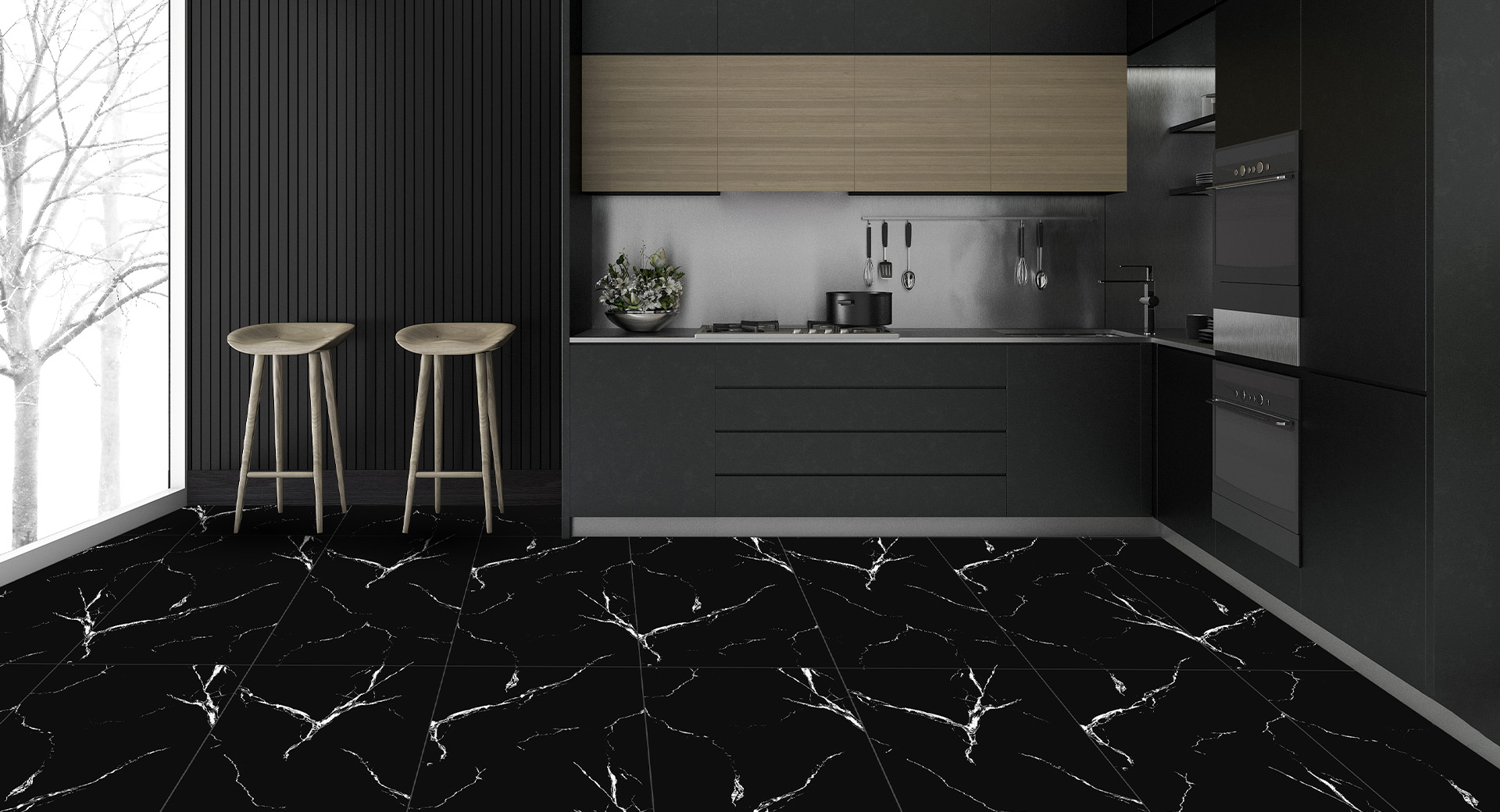
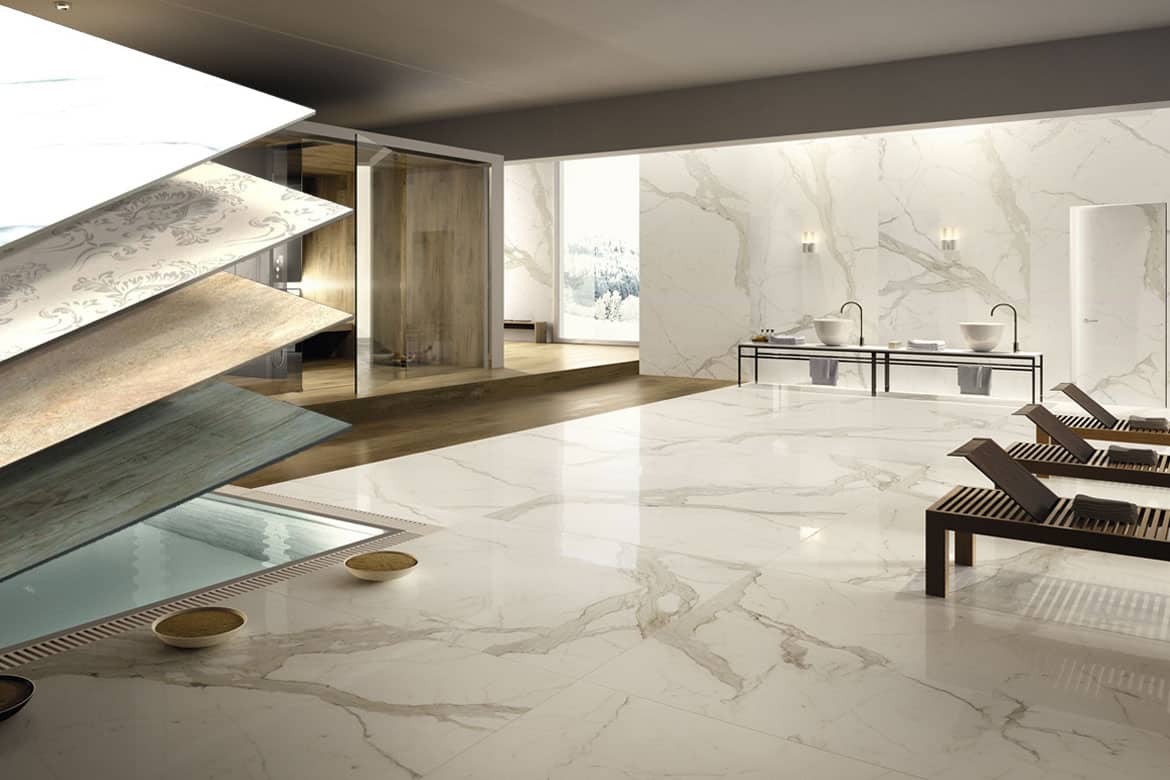
Solution: Move towards producing large-size porcelain ceramics (Slabs) and luxury designs. Customers in this segment are less price-sensitive and care more about quality and aesthetics. The higher profit margin of these products covers the losses caused by currency fluctuations.
۳. Credit Sales with Value Guarantees:
Selling on post-dated checks in a volatile market is suicide. If you must sell on credit, structure contracts so that the repayment amount is equivalent to the daily value of gold or currency at the maturity date (while adhering to legal standards and mutual agreement), or increase the Cash Discount enough to encourage immediate settlement.
Part 5: Technical Optimization and Overhead Cost Reduction
When we can’t control the currency price, we must control costs inside the factory. The tile and ceramic industry is highly energy-intensive.
۱. Energy Management (Gas and Electricity):
The government has increased energy tariffs for industries.
-
Practical Action: Install Heat Recovery systems on kilns. The heat exiting the kiln can be used to preheat intake air or dryers. This can reduce gas consumption by up to 15%.
-
Practical Action 2: Use Variable Frequency Drives (VFD) on large motors (like ball mills) to reduce electricity consumption and wear and tear.
۲. Waste Reduction:
When raw materials are expensive, every square meter of broken or second-grade tile is a major loss.
-
Strategy: Implement stricter quality control systems at the beginning of the line (material input) rather than the end. Ensure precise formulation of the body and glaze to prevent tile warping.
۳. Preventive Maintenance (PM):
Emergency machine breakdown means stopped production and exorbitant costs for urgent parts. Take the PM system seriously to identify and replace worn parts before failure.
Part 6: Digital Marketing and Branding; The Silent Savior
Many tile manufacturers still sell through traditional methods (exhibitions and dealerships). However, during a recession, the end buyer (home consumer or builder) searches Google for the best option.
۱. SEO and Online Presence:
Phrases like “direct tile purchase from factory” or “best floor ceramic” have high search volumes. Having a strong website and a professional digital catalog removes intermediaries and increases your profit.
۲. Targeting Large Construction Projects:
Instead of focusing on retail, strengthen your engineering sales team to negotiate directly with mass developers and national projects. These projects usually offer good advance payments that solve liquidity problems.
۳. Presence in New Export Markets:
Iraq is saturated. Turn your gaze to African and Russian markets (which have better political relations). True, logistics are harder, but the profit margins and demand stability are better there.
Key Note: Branding isn’t just a logo. Branding means “Trust.” In a market where everyone compromises quality to keep prices low, if you stand by your quality, your brand will win in the long run.
Part 7: Financial and Legal Solutions for Survival
The last bastion is intelligent financial management.
۱. Barter (Tahator):
Many builders lack liquidity but possess real estate. A system of bartering tiles for apartments (subject to accurate property valuation) can keep sales flowing. These apartments are safe assets that grow with inflation.
۲. Utilizing the Commodities Exchange:
Offering products on the Commodities Exchange can create price transparency and facilitate access to bulk buyers. Additionally, forward sales options exist in the exchange, which provides liquidity.
۳. Reviewing Workforce Structure:
A 30% production cut shouldn’t immediately lead to layoffs (which have social and legal costs). Instead, optimize work shifts, implement mandatory leave with base pay, or transfer surplus forces to maintenance and line renovation sections to prepare the factory for boom days.
Conclusion and Future Outlook
The shock of currency fluctuations to the tile and ceramic industry is an undeniable reality that has led to a ۳۰% reduction in production and serious challenges in exports. But this industry is still breathing. The factories that survive this period are not those waiting for the dollar price to drop, but those that:
-
Have made their supply chain management flexible.
-
Have moved towards luxury and slab products instead of price competition.
-
Have reduced energy costs and waste through technology.
-
Have replaced traditional sales with new export markets and barter methods.
The future of Iran’s tile industry is bright, but the path to it passes through the heart of this crisis. Today is the time for tough decisions and precise surgeries in the business structure. Take the first step today: Calculate your hidden currency costs and change your pricing strategy.

نظرات ۰