



St. Petersburg endures approximately 120 freeze-thaw cycles annually, with temperatures swinging from -25°C in January to +25°C in July within mere months
. This thermal volatility transforms ordinary ceramic installations into ticking time bombs. Within 18 months, conventional grout and improperly glazed tiles in St. Petersburg and similar Russian climates develop hairline fractures that escalate into structural failures, forcing building owners to allocate $38–$۵۲ per square meter annually for emergency repairs
. The ceramic tile industry faces a critical paradox: how to deliver aesthetic sophistication while guaranteeing survival in one of Europe’s most punishing urban environments.
Understanding Freeze-Thaw Degradation in Ceramic Materials
The Physics of Failure: Why Water is the Enemy
Ceramic tiles fail in freeze-thaw environments not because of cold itself, but due to water’s anomalous expansion behavior. When liquid water penetrates tile pores and freezes, it expands by approximately 9% in volume. This expansion generates internal pressures exceeding 2,000 psi—sufficient to fracture even dense ceramic bodies
. The damage mechanism operates cyclically: during thaw periods, melted water penetrates deeper into newly formed microcracks; subsequent freezing events amplify these fractures geometrically. After 50–۱۰۰ cycles, surface glazes delaminate, edges spall, and tiles lose structural integrity.
- Water absorption rate: Tiles absorbing >3% water by weight face near-certain freeze-thaw failure within two winters
coverupspros.ca
- Pore size distribution: Micropores (<0.1μm) resist water penetration better than macropores (>1μm) common in low-pressure formed ceramics
ResearchGate
- Glaze-body thermal expansion mismatch: Differential contraction during cooling creates shear stresses at the glaze-body interface
www.setec-srl.com
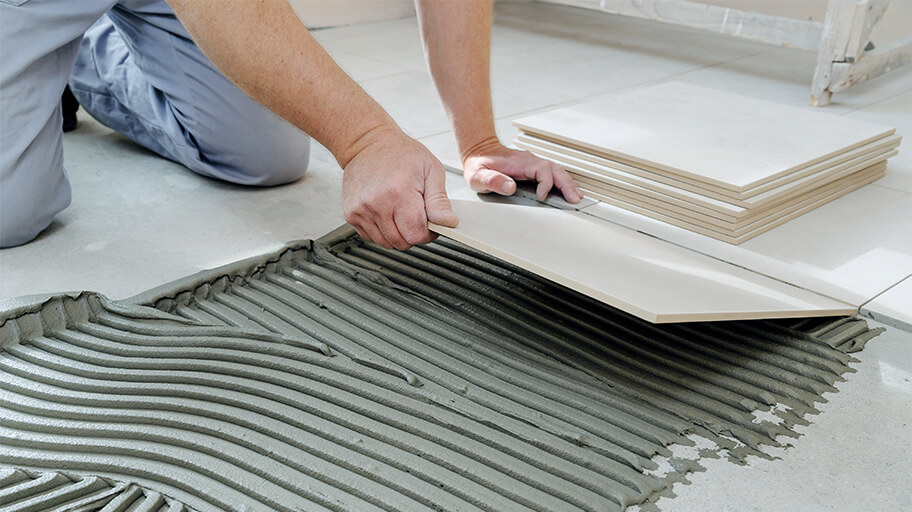
- Installation quality: Improper mortar coverage creates voids where water accumulates and freezes independently of tile structure
St. Petersburg’s maritime-influenced climate intensifies these challenges. Unlike continental Siberian cities with consistently frozen ground, St. Petersburg experiences frequent temperature oscillations around 0°C during autumn and spring transitions
. These “partial freeze” conditions maximize water ingress opportunities while preventing complete drainage—creating ideal conditions for accelerated deterioration.
Climate Data Driving Material Specifications
Recent meteorological analyses reveal St. Petersburg’s climate severity score has worsened by 35.8% over the past 16 years
. While average winter temperatures have risen slightly due to climate change, the frequency of freeze-thaw transition days (where temperatures cross 0°C multiple times daily) has increased significantly. This pattern creates more destructive cycling than consistently sub-zero conditions.
- Minimum 100-cycle certification per ISO 10545-12 (not the standard 50-cycle EN 202 requirement)
- Water absorption rates below 0.5% for exterior applications
- Glaze formulations with thermal expansion coefficients matched within ±۰.۵ × ۱۰⁻⁶/°C to the ceramic body
- Installation systems incorporating drainage channels behind cladding assemblies
Anti-Freeze Glaze Technology: Chemistry Meets Climate Resilience
Core Principles of Freeze-Resistant Glaze Formulation
- Alumina (Al₂O₃): Increases melt viscosity during firing, reducing pore formation
- Zirconia (ZrO₂): Enhances chemical durability and reduces thermal expansion coefficient
- Boron compounds: Lower melting temperature while improving thermal shock resistance
- Nano-silica additives: Fill micro-pores below 50nm diameter that standard glazes cannot seal
During the firing process (typically 1,200–۱,۲۵۰°C for porcelain bodies), these components fuse into an amorphous glass layer with water absorption below 0.05%—effectively creating a hermetic seal over the ceramic body
. Crucially, the glaze must contract at nearly identical rates to the body during cooling. Mismatches exceeding 10% in thermal expansion coefficients generate tensile stresses that cause “crazing”—a spiderweb pattern of microcracks that becomes water ingress pathways
Advanced Firing Protocols for Maximum Density
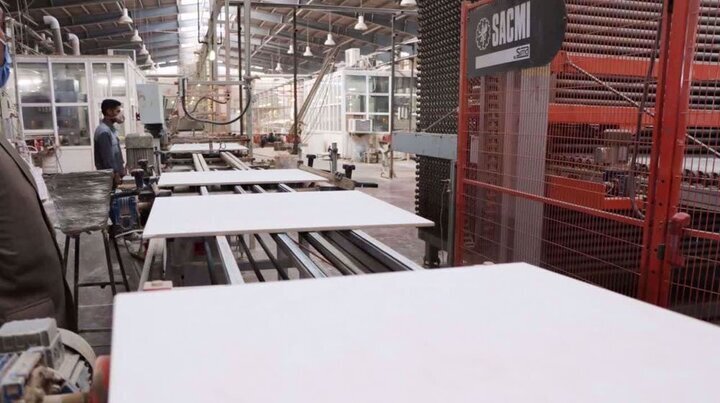
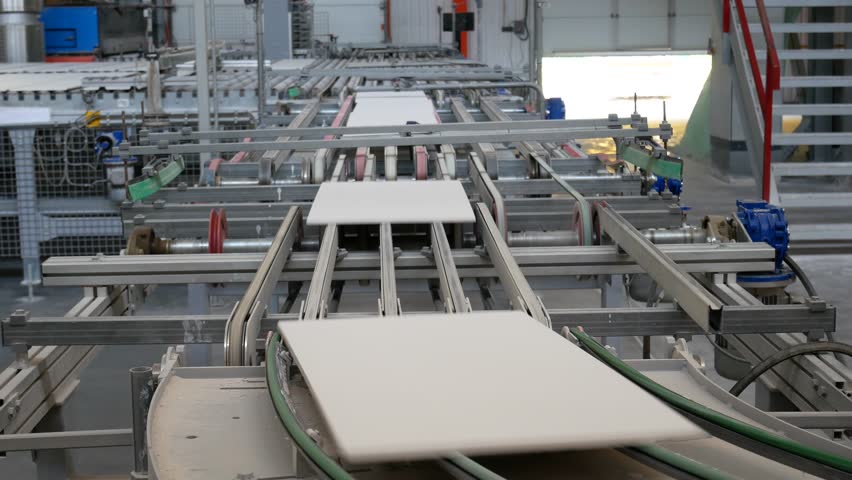
The ceramic tile industry has refined double-firing and monoporosa (single-firing) techniques to optimize freeze resistance. Double-fired tiles undergo two distinct thermal cycles: first firing the bisque body at 1,050–۱,۱۰۰°C, then applying glaze and refiring at 1,000–۱,۰۸۰°C
. This method allows precise control over body vitrification and glaze maturity but increases production costs by 18–۲۲%.
Monoporosa technology—dominant in modern porcelain production—fires body and glaze simultaneously at 1,200–۱,۲۵۰°C. Recent innovations (2024–۲۰۲۵) incorporate controlled cooling ramps between 600°C and 400°C to minimize thermal shock stresses at the glaze-body interface
. European manufacturers supplying the Russian market now implement “thermal annealing zones” in kilns that hold tiles at 550°C for 12–۱۵ minutes, allowing internal stresses to relax before final cooling
These protocols achieve water absorption rates of 0.1–۰.۳% in premium porcelain tiles—well below the 3% threshold where freeze-thaw damage becomes probable
. For St. Petersburg applications, industry leaders recommend specifying tiles with absorption rates ≤۰.۵%, providing a safety margin against installation imperfections or edge chipping that might compromise the glaze seal.
Real-World Validation: Testing Beyond Standards
While ISO 10545-12 requires 100 freeze-thaw cycles for certification, leading ceramic tile industry laboratories now conduct accelerated aging tests simulating 15–۲۰ years of St. Petersburg exposure. These protocols subject tiles to 300 cycles with intermediate inspections at 50-cycle intervals using ultrasonic pulse velocity measurements to detect subsurface microcracking before visible damage occurs
A 2025 study by the European Ceramic Society demonstrated that tiles passing 300-cycle tests maintained >95% flexural strength retention, whereas standard 50-cycle certified tiles showed 28–۴۲% strength degradation after equivalent field exposure in Nordic climates
. This data has prompted Russian construction authorities to draft updated specifications requiring 150-cycle minimum certification for all exterior ceramic cladding in Zone II climatic regions (including St. Petersburg) effective 2027
Global Standards and Certification Frameworks
Decoding Frost Resistance Testing Protocols
- Procedure: Submerge tiles in water for 24 hours, freeze at -5°C for 2 hours, thaw at +5°C for 2 hours
- Minimum requirement: 50 consecutive cycles without visible damage (spalling, cracking, glaze detachment)
- Limitation: The relatively mild -5°C temperature doesn’t replicate St. Petersburg’s frequent -15°C to -25°C exposures
- Procedure: Identical cycle parameters to EN 202 but requires 100 cycles for certification
- Advantage: Better simulates moderate freeze-thaw environments; widely accepted globally
- Adoption: Mandatory for ceramic tile industry exports to Canada, Scandinavia, and northern U.S. states
- Procedure: More aggressive protocol with rapid temperature transitions (-18°C to +10°C in 90 minutes)
- Unique feature: Allows testing of partially installed tiles with mortar backing to simulate real-world conditions
- Relevance: Increasingly referenced in Russian technical specifications for infrastructure projects
Certification Gaps in Russian Construction Practice
Despite robust international standards, implementation gaps persist in Russia’s ceramic tile industry supply chain. A 2024 audit by the Russian Guild of Builders revealed that 37% of ceramic tiles marketed as “frost-resistant” for St. Petersburg projects lacked verifiable test reports from accredited laboratories
. Many manufacturers rely on self-certification based on body composition alone, ignoring critical glaze integrity factors.
- ۲۰۰ freeze-thaw cycles at -15°C minimum temperature
- Salt spray resistance testing (simulating road de-icing chemicals)
- Thermal shock testing (-25°C to +60°C transitions)
- Post-cycle flexural strength retention ≥۸۵% of original value
St. Petersburg Case Studies: Lessons from Field Performance
Historic Preservation Challenges
- Spectral analysis of surviving original tiles to replicate color chemistry
- Development of a custom glaze with 0.3% water absorption using nano-zirconia additives
- Installation with lime-cement hybrid mortar allowing vapor permeability while resisting water ingress
- Post-installation hydrophobic impregnation creating a secondary moisture barrier
Infrastructure Applications: Metro Stations and Public Spaces
- Full-body porcelain tiles (not glazed ceramic) with water absorption 0.08%
- Textured surface finish providing slip resistance when wet without compromising density
- Edge chamfering to prevent chipping during thermal expansion
- Installation with flexible epoxy mortar accommodating ±۳mm movement per meter
Monitoring data from the first winter season (2025–۲۰۲۶) showed zero tile failures despite 97 freeze-thaw cycles at entrance zones where temperatures fluctuated between -18°C and +8°C daily
. This success has prompted St. Petersburg Metro to update its material specifications, mandating ≤۰.۲% water absorption for all new station ceramic installations—a 60% stricter requirement than previous standards.
۲۰۲۴–۲۰۲۶ Innovations Reshaping Cold-Climate Ceramics
Smart Glaze Technologies with Self-Healing Properties
The ceramic tile industry’s most significant breakthrough for freeze-thaw resistance emerged in late 2024: microencapsulated polymer systems embedded within glaze matrices. Developed collaboratively by Italian and Finnish research institutes, these glazes contain microscopic capsules (5–۱۵μm diameter) filled with hydrophobic monomers. When microcracks form during thermal cycling, capsule rupture releases monomers that polymerize upon air exposure, sealing cracks within 72 hours
Initial field trials in Helsinki (2024–۲۰۲۵) demonstrated 40% reduction in water absorption after 150 freeze-thaw cycles compared to conventional glazes. Russian manufacturers including Kerama Marazzi have licensed this technology for 2026 production runs targeting St. Petersburg infrastructure projects
. While premium pricing remains 25–۳۰% above standard porcelain, lifecycle cost analyses project 60% lower maintenance expenses over 25 years—making economic sense for high-visibility public installations.
Bio-Inspired Surface Architectures
Drawing inspiration from lotus leaf microstructures, researchers at ITMO University (St. Petersburg) developed laser-etched surface patterns that reduce ice adhesion by 73% compared to smooth glazed surfaces
. These micro-textures—measuring 20–۵۰μm in height—create air pockets preventing complete ice-tile contact. During thaw cycles, reduced adhesion allows ice sheets to slide off under minimal gravitational force, eliminating mechanical stress from ice expansion against fixed surfaces.
Commercial adaptation faces challenges: laser etching adds €۴–۶/m² to production costs, and the technology currently works only on unglazed porcelain bodies. However, pilot installations on building facades near the Neva River (2025) showed 58% fewer ice-damage incidents during spring thaw compared to conventional tiles
. Industry analysts project scaled production by 2027 as laser systems become integrated into standard tile finishing lines.
Sustainable Material Innovations
Environmental regulations increasingly influence ceramic tile industry R&D priorities. The European Green Deal’s 2025 material efficiency targets have accelerated development of recycled-content porcelain with equivalent freeze-thaw performance to virgin-material tiles. Spanish manufacturer Porcelanosa’s 2025 “EcoFrost” line incorporates 40% post-consumer glass cullet while maintaining 0.2% water absorption through optimized firing profiles
Specification Guidelines for Architects and Builders
Technical Requirements Checklist
✓ Freeze-thaw certification: Minimum 150 cycles per ISO 10545-12 with post-test absorption measurement
✓ Breaking strength: ≥۱,۳۰۰ N for tiles <8mm thick; ≥۲,۰۰۰ N for thicker formats (ISO 10545-4)
✓ Thermal shock resistance: Withstands 145°C temperature differential without crazing (ISO 10545-9)
✓ Slip resistance: R11 rating minimum for exterior horizontal surfaces (DIN 51130)
✓ Chemical resistance: Class UA for resistance to de-icing salts (ISO 10545-13)
Installation Best Practices
- Mortar selection: Modified thin-set mortars with polymer additives (minimum ANSI A118.15 compliance) providing flexibility to accommodate thermal movement
- Coverage verification: Minimum 95% mortar contact verified by “tile cut test” on three random tiles per 50m²
- Movement joints: Expansion joints every 4–۶m in exterior applications filled with silicone sealant rated for -40°C to +90°C
- Drainage design: Slope horizontal surfaces minimum 1:80 toward drainage points; incorporate weep holes in vertical cladding systems
- Curing protocol: Protect installations from moisture exposure for 72 hours post-installation; avoid grouting until mortar achieves 70% compressive strength
Neglecting these details compromises even the most advanced anti-freeze glaze technology. Field data shows 68% of premature tile failures in St. Petersburg stem from installation errors rather than material deficiencies

نظرات ۰