



Iran–Russia
For many manufacturers—especially newly established producers operating on a small scale—exporting goods is a long-held dream.
According to Mashregh News, Kambiz Mirkarimi, Vice President of the Iran–Russia Joint Chamber of Commerce and an Iranian economic actor in Russia, has discussed the current state of trade relations between Iran and Russia.
Below is the full conversation:
Iran Has a Bank in Russia, but We Have Not Used This Capacity in Recent Years
For many manufacturers—especially small and newly founded ones—exporting goods is a major ambition. The desire to export, especially to European countries, often leads producers into negotiations with companies that may look legitimate but, upon closer inspection, turn out to exist only on paper. To avoid falling into such traps, experienced businesspeople offer valuable recommendations, some of which are highlighted in this interview.
What Economic Capacities Does Russia Have That Iran Can Benefit From?
Russia is an enormous country with vast economic potential, yet Iran has not successfully utilized the opportunities available there. After Iran joined the Eurasian Economic Union (EAEU), trade volume with Russia increased, and in some sectors exports even surged. Even so, Iran’s overall share of the Russian market remains very small.
For example, despite growth in dairy exports, Iran holds only ۱.۸% of Russia’s dairy market. In horticultural and agricultural products—despite Iran being a four-season country—our share is still below ۳%. Overall, Iran’s share of trade with Russia remains extremely low—between ۰.۲% and 0.3%, despite several established communication channels.
Iran even operates a bank in Russia (a capacity that has remained underused), and geographically, Iran has significant advantages compared to many neighboring countries.
What Is the Most Serious Problem in Trade?
The dual exchange-rate system is the most significant challenge faced by members of the Chamber of Commerce. Export-earned foreign currency must be deposited into the NIMA system, where the exchange rate is about ۲۵% lower than the free market rate. This gap has led to the rise of one-time-use commercial cards.
To avoid returning export currency to NIMA, some exporters use disposable trade cards and sell their currency on the open market. As a result, genuine traders who follow regulations cannot compete fairly with those who bypass them, causing serious harm to legal business operations.
I believe the 13th government must address this issue and prevent the continuation of past practices. We support moving toward a unified exchange rate, which will help eliminate such distortions.
Is Exporting Goods to Russia Currently Favorable?
Yes. Exporting to Russia is now significantly easier. In the past—before joining the EAEU—there were many barriers, but now trade conditions are much more favorable.
What Is the Status of Iran’s Petrochemical Exports?
There was a time when Iran exported polyethylene to Russia. Today, however, Russia has become our competitor in regional polyethylene markets. Therefore, petrochemical exports are no longer as strong as before.
But since Iran joined the EAEU trade agreement in 2019, customs tariffs have decreased—sometimes to zero—which created new opportunities in the downstream polymer industries. The EAEU agreement has been highly positive: in the first half of this year alone, Iran’s exports to Russia increased by ۵۰%, and trade volume has risen from ۳۰۰ million dollars to close to one billion dollars.
Another factor contributing to increased exports is the rise in the exchange rate, which has encouraged many traders to export more.
What Do You Recommend to Sustain This Growth in Exports?
Certain regulations and directives can become major obstacles to exports. We urge the 13th government to avoid issuing export-restricting directives as much as possible. Sudden bans and unprofessional decisions in recent years have harmed the country’s exports.
If regulations remain stable—or improve—export growth, especially to neighboring countries, will accelerate.
Which Goods Have High Export Potential?
Food products, confectionery, and chocolate have strong export prospects.
How Do You See the Future of Cooperation and Exports to Russia?
Given Russia’s size and the breadth of opportunities available, the outlook is promising—especially in downstream industries with diverse product ranges. Traders should focus on exporting specialized goods, which is increasingly crucial.
Another promising area is overseas farming, an activity Russia is interested in. Unfortunately, this sector has not yet seen major success for Iranian investors, but with encouragement and support, it can become viable.
What Is the Most Significant Challenge in Russia?
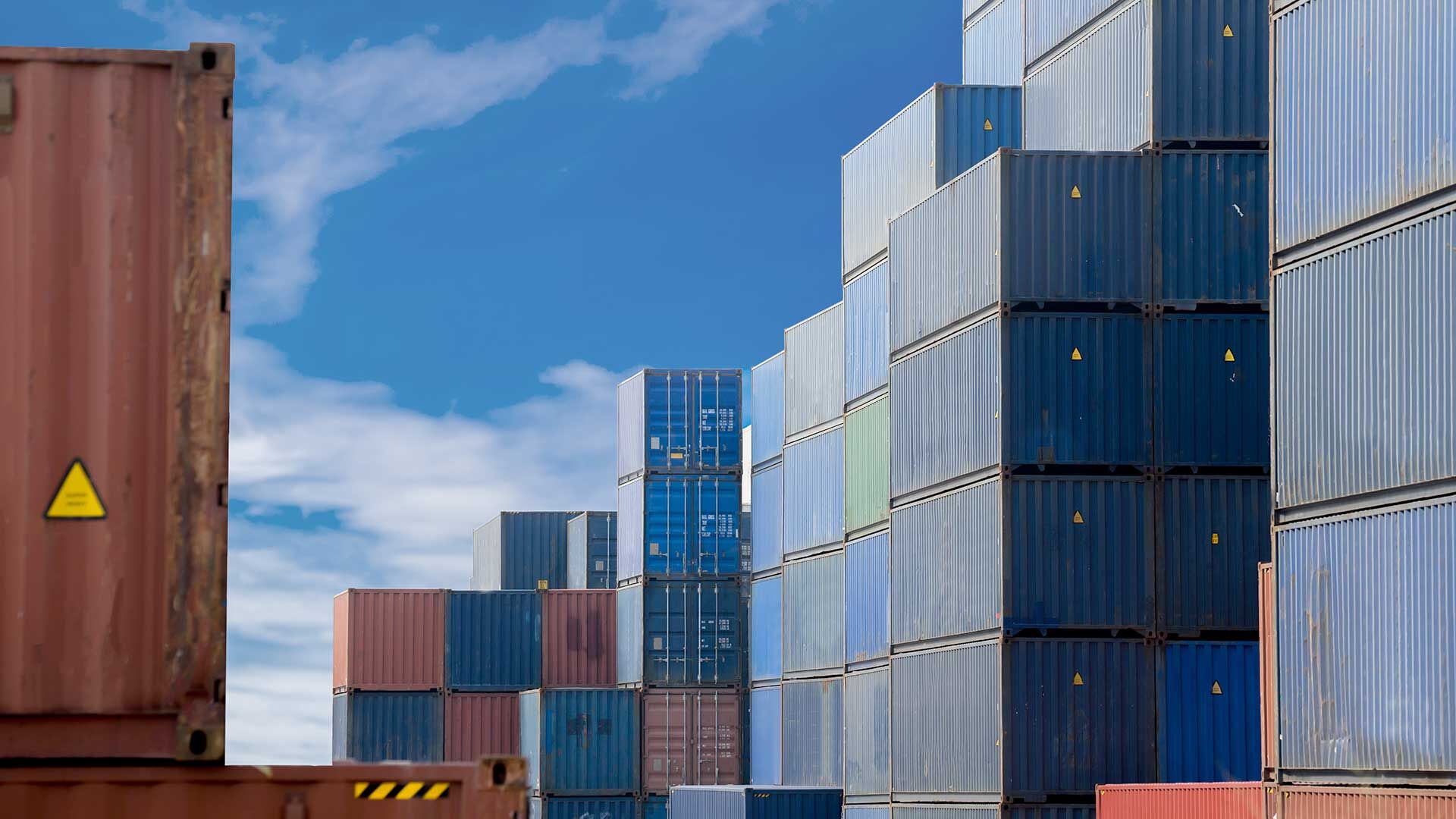
Bureaucracy. Complicated administrative procedures make certain economic activities difficult. Another challenge is shipping goods to Russia. Fortunately, during the Iranian President’s recent visit to Azerbaijan, discussions led to improvements along the Azerbaijan–Russia route, and logistical problems have significantly decreased.
What Is the Best Way to Reach the Russian Market?
The international exhibition held in Moscow is one of the most effective gateways. Many companies seeking cooperation with Russia participate in this event, as it provides an excellent opportunity for connecting economic actors and commercial companies from both countries.
What Should Traders Consider When Working with Russian Companies?
Iranian traders must act with greater caution and sensitivity when cooperating with Russian companies. Due to Russia’s strict bureaucracy, exporters must thoroughly comply with Russian import standards. Even slight deviations can block shipments.
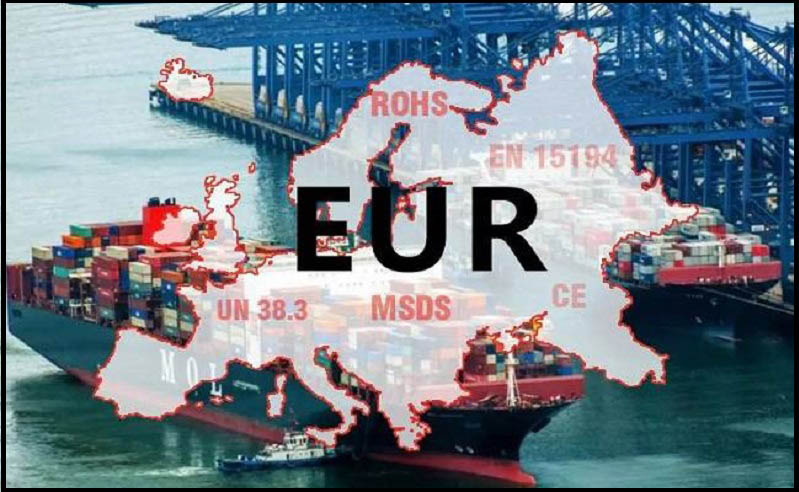
Russian standards are increasingly aligned with European standards, so exporters of food and agricultural products must pay careful attention to residue limits, chemical usage, and all related protocols.
Russia, like many countries, has both legitimate companies and paper-only (underground) companies. Traders must avoid dealing with the latter to prevent financial loss and legal complications.
Russia also has very large retail chains, and many Iranian companies are unable to meet their requirements. These chains expect deliveries on time and exactly according to specifications. Failure to comply means cooperation cannot continue. Since Iran lacks strong export-oriented companies, meeting such standards is difficult.
What Should the Government’s Approach to Exports to Russia Be?
Government policy should not immediately ban exports whenever a domestic shortage arises. If we aim to pursue an export-oriented strategy, businesses must feel confident and free from sudden prohibitions so they can consistently work toward reaching target markets.
Iran urgently needs a strong, stable export strategy.



نظرات ۰