

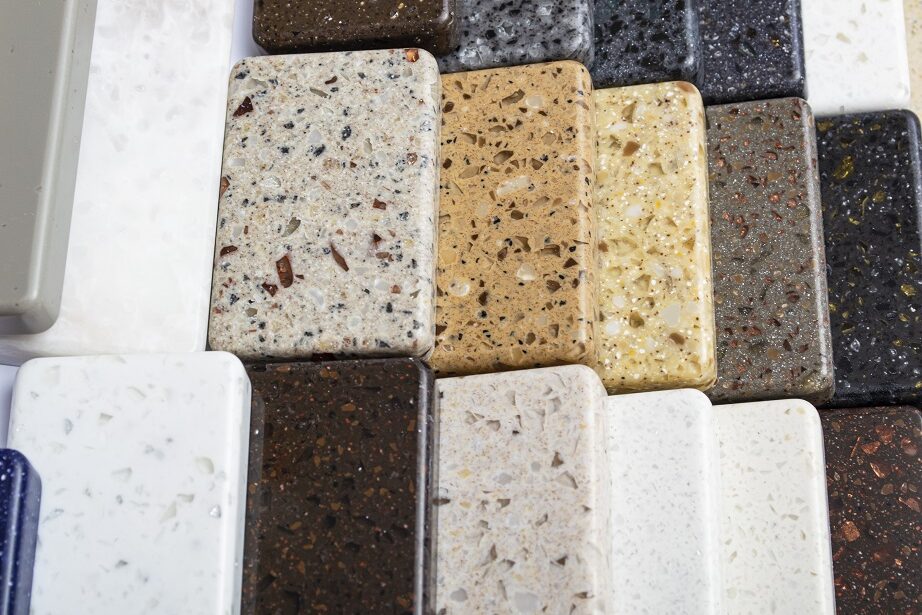
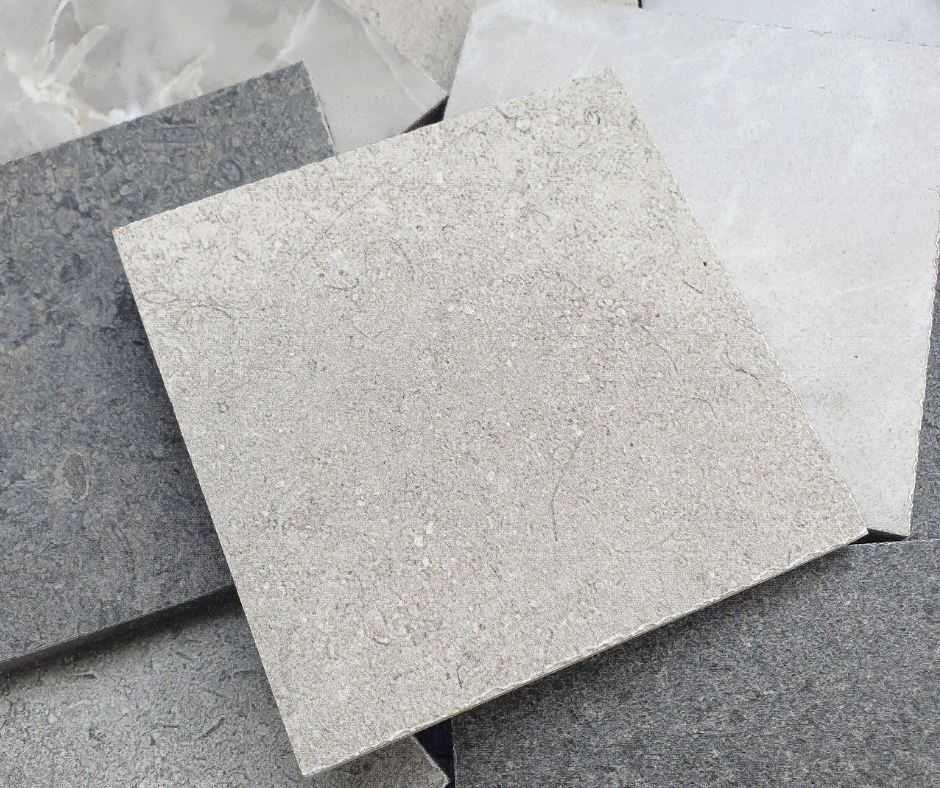
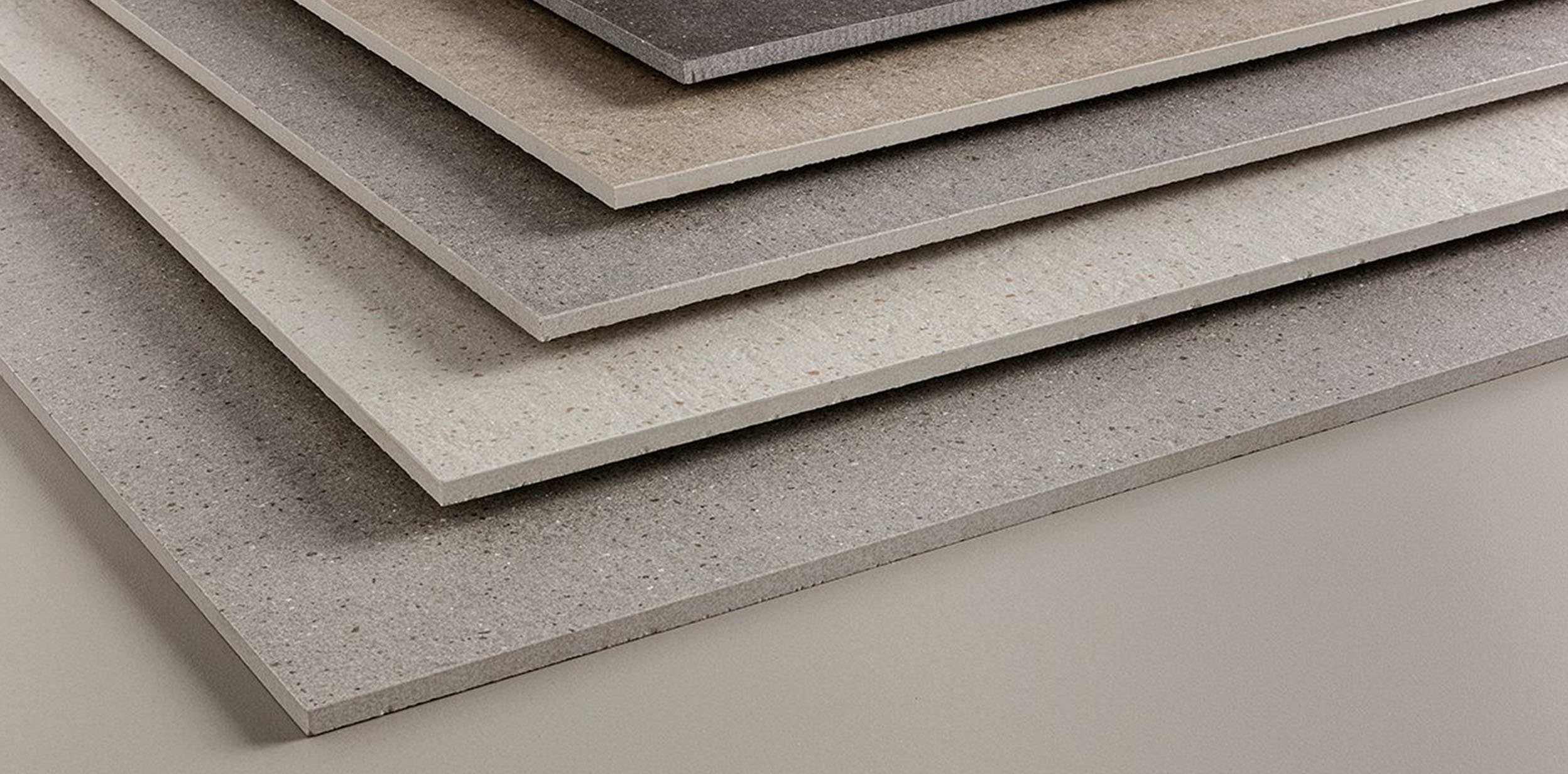

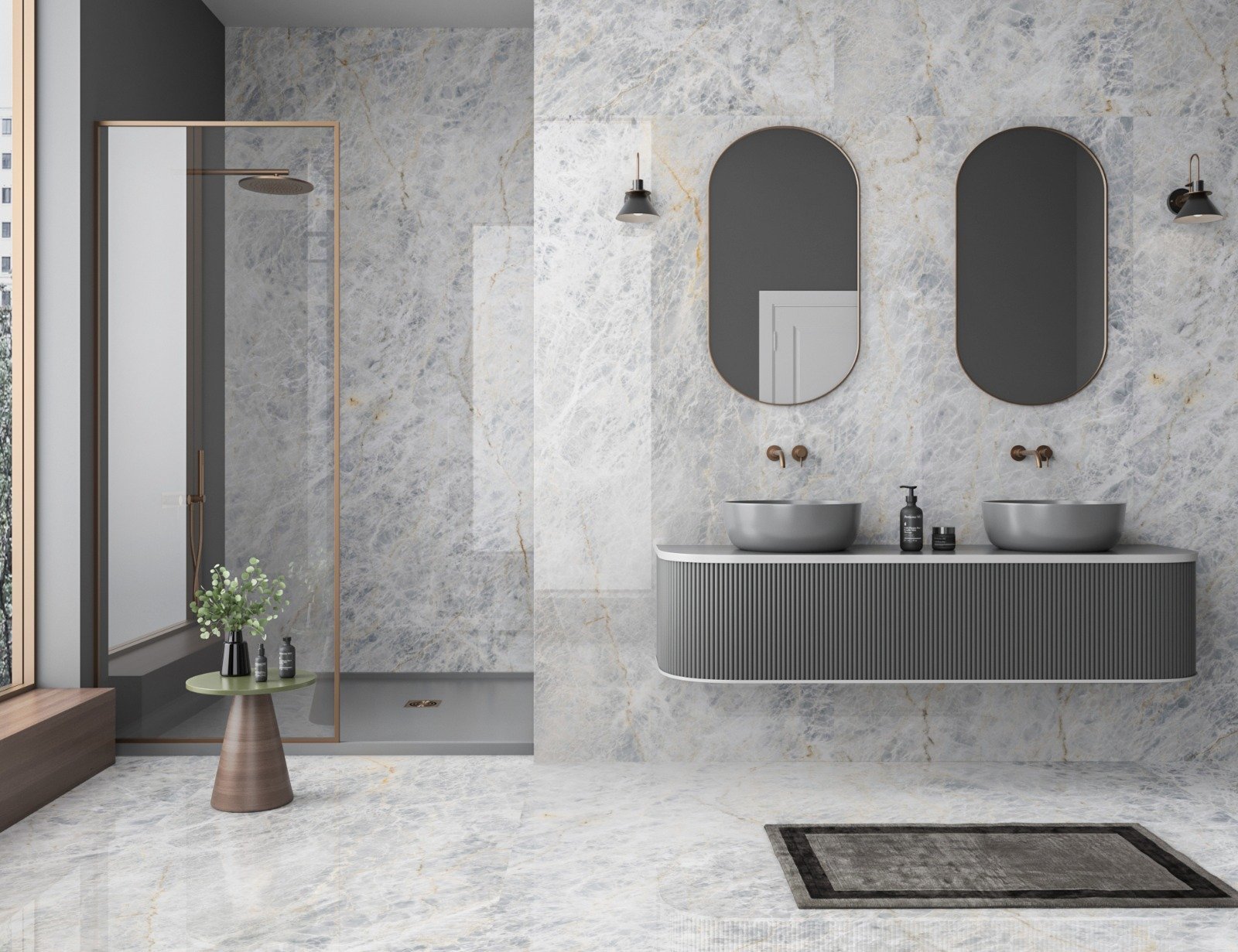
Have you ever walked into a luxury hotel lobby and felt the seamless, breathtaking expanse of a floor that looks like a single piece of natural stone? That is the power of a single $۱۶۰ \times 320$ cm slab. In the world of modern architecture, the “Slab Revolution” is not just a trend—it’s a total disruption. For ceramic manufacturers in industrial hubs like Yazd or Isfahan, transitioning to Large Format Slab Tiles is the difference between surviving on thin margins and dominating the premium global market.
However, the leap from standard $۶۰ \times 60$ cm tiles to massive slabs is fraught with technical “landmines.” From internal tension in the porcelain body to the nightmare of logistics and breakage, the challenges are as large as the products themselves. Why do some factories consistently produce Grade A slabs while others face a 30% waste rate? How can Iranian producers navigate the complex quality standards of the GCC or European markets?
This comprehensive guide is designed for factory owners, production managers, and export specialists. We will dive deep into the operational “how-to” of Large Format Slab Tiles, covering advanced production techniques, material science, cost-saving logistics, and a roadmap to the most profitable export destinations in 2026. By the end of this article, you will have a clear, actionable blueprint to transform your facility into a high-value slab production powerhouse.
۱. The Strategic Value of Large Format Slab Tiles
In today’s market, size matters—but not just for the sake of scale. Large Format Slab Tiles (typically defined as any tile where one side exceeds 120 cm) offer aesthetic and functional advantages that traditional tiles simply cannot match.
Why the Market is Shifting
-
Minimal Grout Lines: Architects love slabs because they reduce visual noise. Fewer grout lines mean a cleaner look and easier maintenance.
-
Versatility Beyond Flooring: Slabs have moved to the walls, kitchen countertops, furniture, and even building facades. This expands your customer base from “home renovators” to “luxury developers” and “furniture manufacturers.”
-
Higher Per-Square-Meter Value: While production costs are higher, the retail price of a high-quality slab can be 3x to 5x that of standard porcelain.
Operational Tip: When pitching to international buyers, focus on “Sintered Stone” capabilities. If your slabs are $۱۲$ mm to $۲۰$ mm thick and fully vitrified, they can compete in the kitchen countertop market, which has much higher margins than the flooring sector.
۲. Production Hurdles: Overcoming the “Internal Stress” Challenge
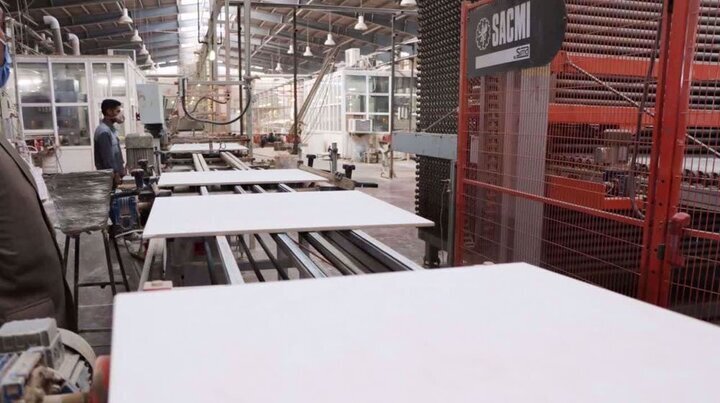
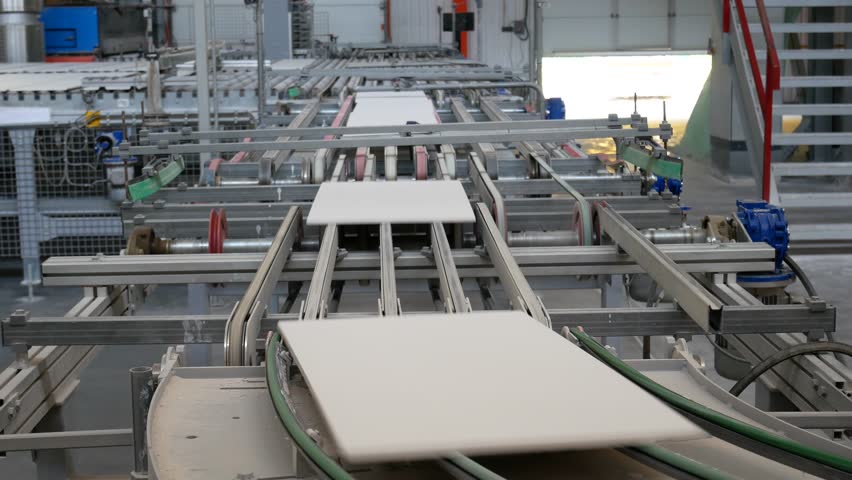
The biggest enemy of Large Format Slab Tiles is internal stress. In a small tile, minor imbalances in pressure or heat are negligible. In a slab, those same imbalances lead to “banana-ing” (warping) or explosive cracking.
The Pressing Transformation
Traditional hydraulic presses are often insufficient for ultra-large formats.
-
Continua+ Technology: Most modern slab plants use “compaction by rolling” rather than a traditional mold. This allows for continuous production and much higher density consistency.
-
De-airing: If air is trapped in the body during pressing, the slab will crack in the kiln. You must ensure your spray-dried powder has the perfect humidity (usually between 5.5% and 6.5%).
Managing Body Composition
To produce a stable slab, your body recipe must have high “green strength.”
-
Actionable Strategy: Increase the percentage of high-plasticity kaolin in your mix. This helps the slab maintain its shape during the long journey from the press to the kiln.
| Production Factor | Standard Tile (60×۶۰) | Large Format Slab (120×۲۴۰+) |
| Pressing Pressure | $۴۰۰$ kg/$cm^2$ | $۴۵۰-۵۰۰$ kg/$cm^2$ (or Rolling) |
| Drying Time | Short (30-40 mins) | Long (90-120 mins) |
| Kiln Uniformity | Moderate importance | Critical ($\pm 2^\circ\text{C}$ across width) |
| Waste Risk | Low | Very High |
۳. The Science of Firing: Perfecting the Slab Kiln Curve
Firing Large Format Slab Tiles requires a specialized “Wide-Body” kiln and a thermal curve that respects the physics of large masses.
The Quartz Inversion Danger Zone
Between $۵۵۰^\circ\text{C}$ and $۶۰۰^\circ\text{C}$, silica undergoes quartz inversion, changing its volume. In a $۳$-meter slab, if the left side hits this temperature before the right side, the slab will shatter.
-
Burner Synchronization: You must use high-velocity burners with individual electronic controls to ensure the temperature is identical across the entire roller width.
-
Slow Cooling: The cooling phase must be much more gradual than standard tiles to prevent “thermal shock” cracks at the exit.
Operational Tip: Install a real-time “Kiln Tracker” (a thermal data logger) once a week. Place sensors at the left, center, and right of the slab to ensure your cross-sectional temperature variance is less than $۳^\circ\text{C}$.
۴. Finishing and Rectification: Achieving the $۹۰^\circ$ Edge
A slab is only as good as its edges. For Large Format Slab Tiles, “Rectification” (squaring the edges) is a high-precision task.
The Polishing Process
Slabs often require “Lappato” (semi-polished) or “Levigato” (full-polished) finishes. Because of the surface area, any “waviness” in the slab will cause the polishing heads to skip, creating “dull spots.”
-
Actionable Strategy: Use “Satellite” polishing heads that adapt to the slight micro-undulations of the slab. Ensure your water filtration system is top-tier; even a small piece of grit in the polishing water can scratch a $۳$-meter slab, rendering it a “second.”
Squaring (Rectification)
-
Dry vs. Wet Squaring: For slabs, wet squaring is generally preferred to prevent heat buildup on the edges, which can lead to micro-cracks that expand later during installation.
۵. Export Markets: Where is the Demand for Slabs?
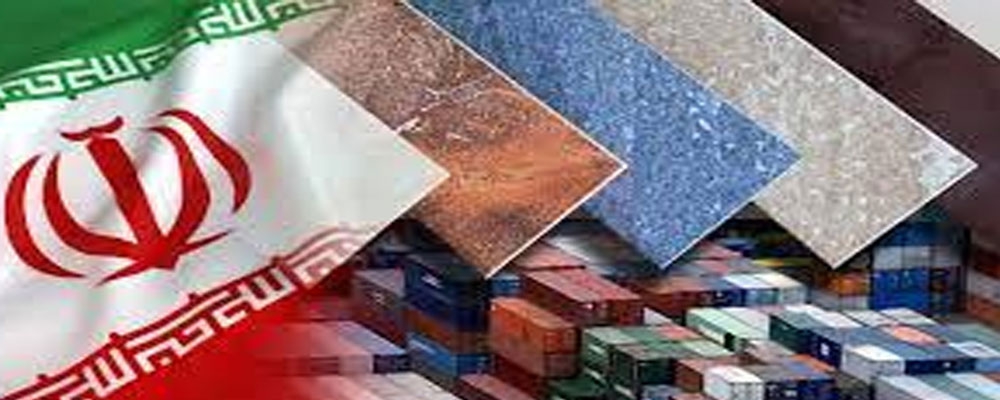
As of 2026, the global demand for Large Format Slab Tiles is concentrated in specific high-growth regions. For Iranian producers, three markets stand out:
I. The GCC (Saudi Arabia, UAE, Qatar)
-
The Saudi Boom: Projects like NEOM and the Red Sea Project have an insatiable hunger for large-scale porcelain. They prefer $۱۲۰ \times 240$ cm and $۱۶۰ \times 320$ cm sizes for government buildings and luxury villas.
-
Standards: You must have SASO certification.
II. The CIS Region (Russia, Uzbekistan, Kazakhstan)
-
The Aesthetic Shift: These markets are moving away from traditional “busy” patterns to large, marble-look slabs.
-
Logistics Advantage: Rail links from Iran to Central Asia make slabs more competitive than Chinese or Italian imports.
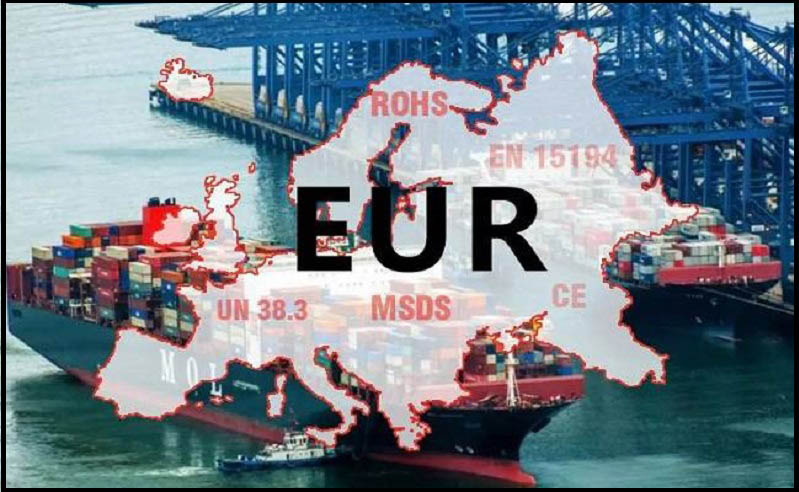
III. The European Union (Premium Niche)
-
The Strategy: To enter Europe, don’t compete on price. Compete on “Technical Porcelain” (un-glazed, full-body) slabs.
-
Standards: CE Marking and Environmental Product Declarations (EPD) are mandatory.
Export Checklist:
-
[ ] Does the product meet ISO 13006 / EN 14411 standards?
-
[ ] Is the packaging “A-Frame” or “Crate” compliant with international shipping?
-
[ ] Do you have high-resolution digital renders for architects?
۶. Logistics and Packaging: The Invisible Profit Killer
You can produce the most beautiful Large Format Slab Tiles in the world, but if they arrive broken, you lose money. Logistics for slabs is a science of its own.
Packaging Options
-
Wooden Crates: Best for $۱۲۰ \times 120$ cm or $۱۲۰ \times 240$ cm. Slabs are laid flat.
-
A-Frames: Essential for $۱۶۰ \times 320$ cm. Slabs are stood almost vertically on a steel or heavy wooden A-frame. This prevents the “flexing” that breaks slabs laid flat during sea transport.
The Cost of Weight
Slabs are heavy. A $۲۰$ mm thick slab can weigh over $۱۵۰$ kg.
-
Actionable Strategy: Optimize your container loading. Use software to calculate the exact weight distribution. Overloading a container can lead to massive fines at international ports (especially in Europe), while under-loading wastes your shipping budget.
۷. Handling and Installation: Educating the End User
One of the biggest hurdles to selling Large Format Slab Tiles is that many installers are afraid of them. If the installer breaks the tile, the customer blames the manufacturer.
The Manufacturer’s Responsibility
To protect your brand, you must provide (or mandate) proper handling guidelines:
-
Vacuum Suction Frames: Slabs should never be carried by hand. They require a specialized frame with suction cups to distribute the weight.
-
The “Double-Spreading” Rule: Both the floor and the back of the slab must be coated in adhesive to ensure $۱۰۰\%$ coverage. Any air pocket under a slab is a “weak point” where it will crack if a heavy object is dropped.
Actionable Strategy: Create a 2-minute “Installation Guide” video and print a QR code on the back of every slab or on the crate. This reduces “mis-installation” claims by up to 40%.
۸. Financial Outlook: Is the Investment Worth It?
Upgrading a line for Large Format Slab Tiles can cost between $\$۵$ million and $\$۱۵$ million. Is the ROI there?
-
Premium Positioning: In the Iranian domestic market, slabs are currently a “blue ocean” (low competition).
-
Export Revenue: Slabs are usually priced in USD or Euros, providing a natural hedge against local currency fluctuations.
-
Waste Reduction: While the cost of a broken slab is high, a modernized slab line is often more automated, leading to lower labor costs per square meter in the long run.
Conclusion: Dominating the Slab Era
The shift toward Large Format Slab Tiles is an evolution of the ceramic species. It requires more than just big machines; it requires a culture of precision, from the granulometry of the raw clay to the final timber used in the export crates. For those who master the “Internal Stress” of production and the “Quality Demands” of the global export market, the rewards are immense.
The future of ceramics is seamless, massive, and incredibly profitable. By focusing on thermal uniformity in the kiln, adopting “A-Frame” logistics, and targeting high-growth markets like Saudi Arabia’s NEOM, your factory can transition from a local supplier to a global player. The “Slab Revolution” is here—make sure your brand is the one architects are specifying.
Would you like me to draft a technical “Slab Body Recipe” based on Iranian raw materials or create a 12-month export marketing plan for the GCC region?

نظرات ۰