


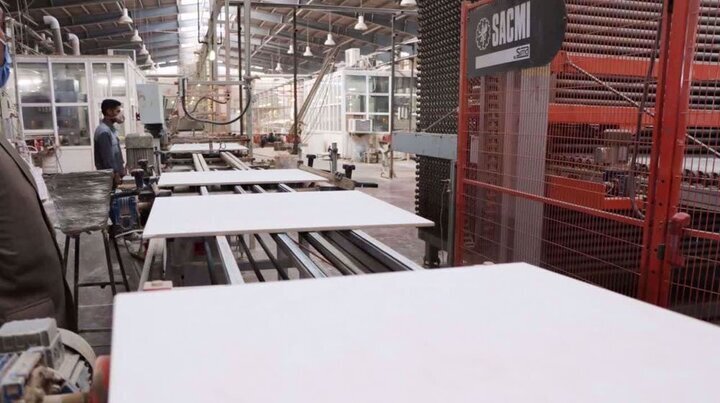
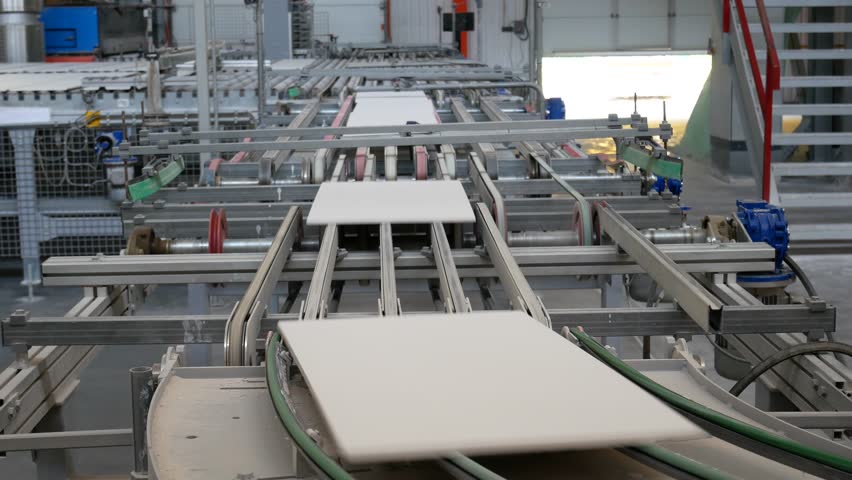

Facing hurdles in exporting ceramic tiles? Explore our comprehensive 2024 guide on overcoming logistics challenges, from fragile freight to customs clearance. Unlock efficient global supply chain strategies now.
The Global Journey of a Single Tile
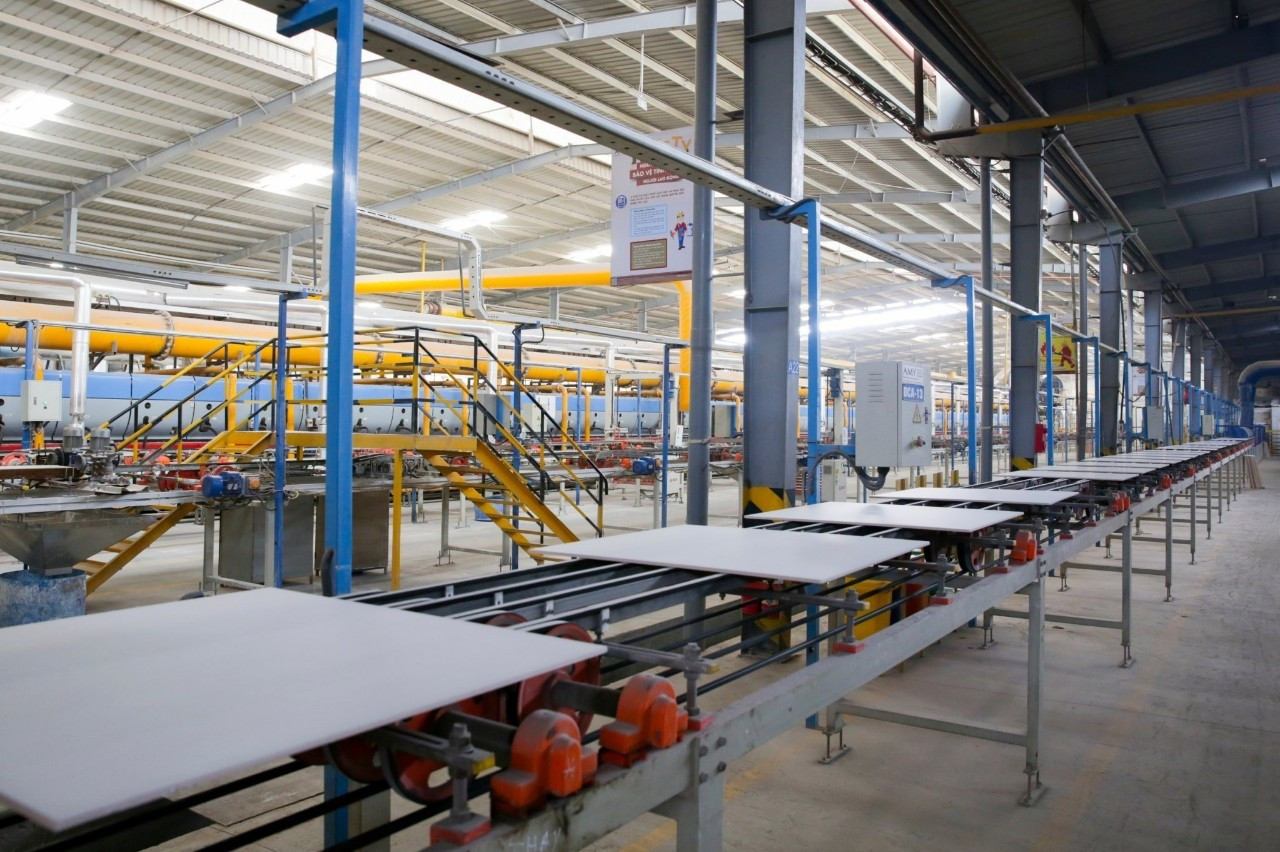
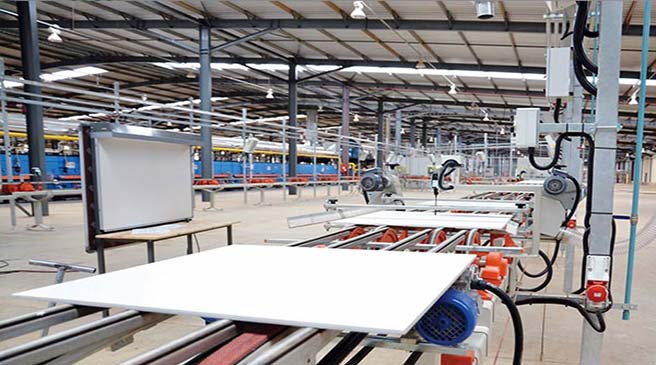
Imagine a pristine, digitally printed porcelain tile, fresh from the kiln in a state-of-the-art factory in [Major Producer Country, e.g., Iran, Italy, Spain, or China]. Its destiny is a luxury hotel lobby in Dubai, a chic residential project in Toronto, or a retail showroom in Berlin. Yet, between the factory floor and its final installation lies a complex, perilous, and costly odyssey: the world of export logistics. The global ceramic and tile industry, valued at over $۴۰۰ billion in 2024, hinges not just on design and quality, but on the seamless movement of heavy, fragile, and high-volume cargo across continents.
For manufacturers, exporters, and traders, logistics isn’t merely a backend function; it’s a critical battlefield where margins are won or lost, and customer relationships are made or broken. Common pain points resonate across boardrooms: “Why do our damage rates exceed 5% despite premium packaging?” “How can we navigate volatile freight costs that erode our price competitiveness?” “What solutions exist for unpredictable delays at transshipment ports?” This article is crafted specifically for you—the industry professional grappling with these very questions.
Here, we will dissect the multifaceted logistics challenges in exporting ceramic and tile products. We will move beyond surface-level complaints to provide a structured analysis, backed by the latest data (2024-2026) and real-world examples. You will gain insights into strategic solutions, technological advancements, and best practices that transform logistics from a cost center into a competitive advantage. Prepare for a deep dive that equips you with the knowledge to streamline your supply chain, mitigate risks, and ensure your products reach global markets efficiently and intact.
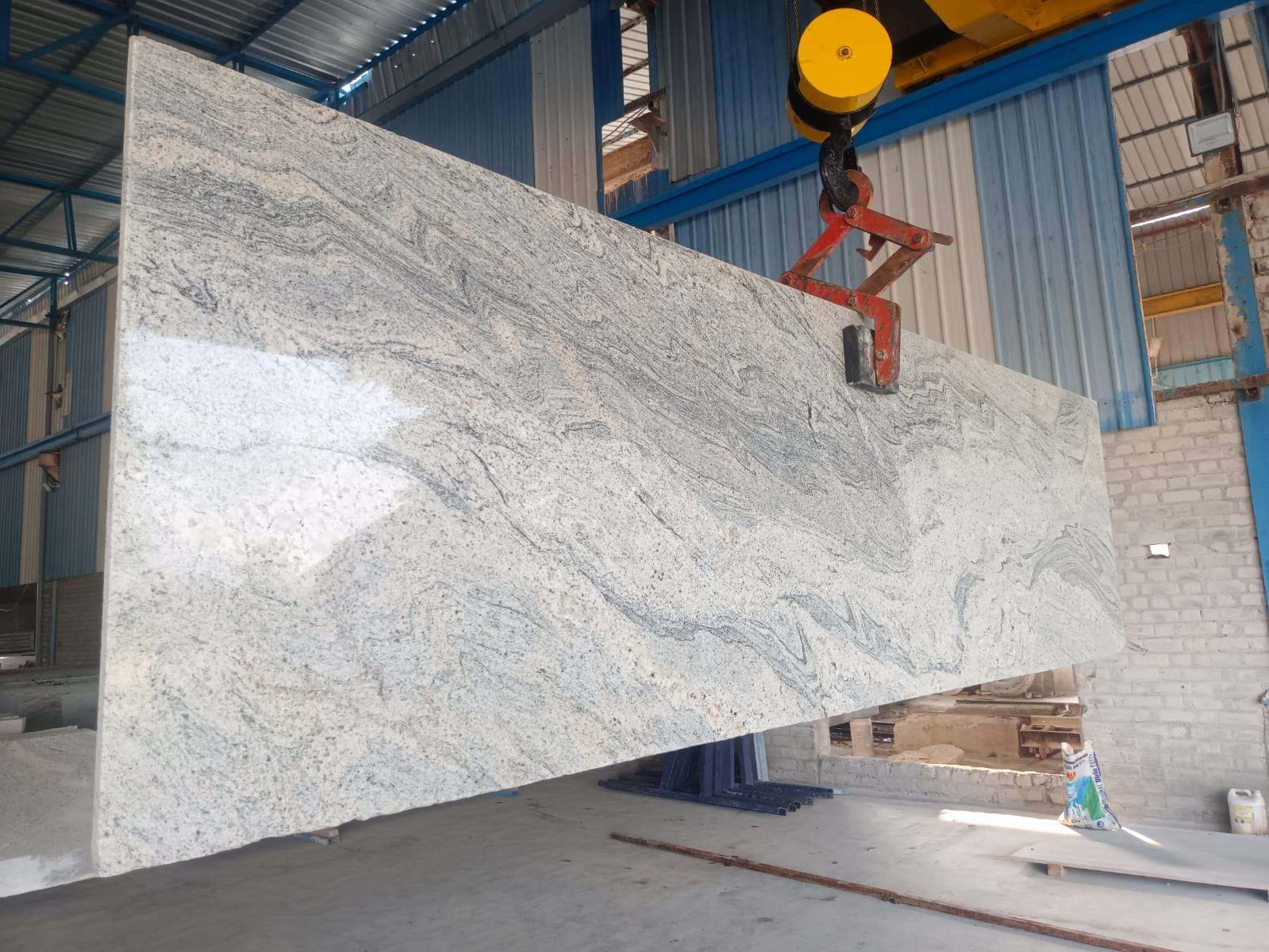
Section 1: The Core Anatomy of Ceramic & Tile Export Logistics
Exporting ceramic tiles is fundamentally different from shipping standard commodities. The product’s inherent characteristics dictate a unique set of logistical requirements. Understanding this anatomy is the first step towards managing its complexities.
۱.۱. The Product Itself: A Logistician’s Challenge
Ceramic and porcelain tiles are:
-
High-Density and Heavy: A single 20-foot container can hold 20-28 tons of tiles, often hitting the weight limit before the volume limit. This impacts container selection, truck axle load regulations, and port handling equipment.
-
Extremely Fragile: Despite advancements in durability, tiles are susceptible to chipping, cracking, and breakage from improper handling, vibrations, and shock during transit.
-
High-Volume, Low-Value Ratio (Compared to Electronics): While valuable, the cost per cubic meter is lower than many goods, making ultra-expensive air freight often prohibitive for full shipments, pushing reliance on ocean freight with its inherent longer lead times.
-
Varied in Specifications: Sizes are growing (large-format slabs of 120x240cm and beyond are common), thickness varies, and surface finishes (polished, structured, glazed) require specific packing to prevent abrasion.
۱.۲. The Standard Supply Chain Workflow
A typical export journey involves multiple hand-off points, each a potential failure node:
-
Order & Documentation: Commercial invoice, packing list, certificate of origin, and often specific certifications (like CE marks for Europe, ANSI for North America).
-
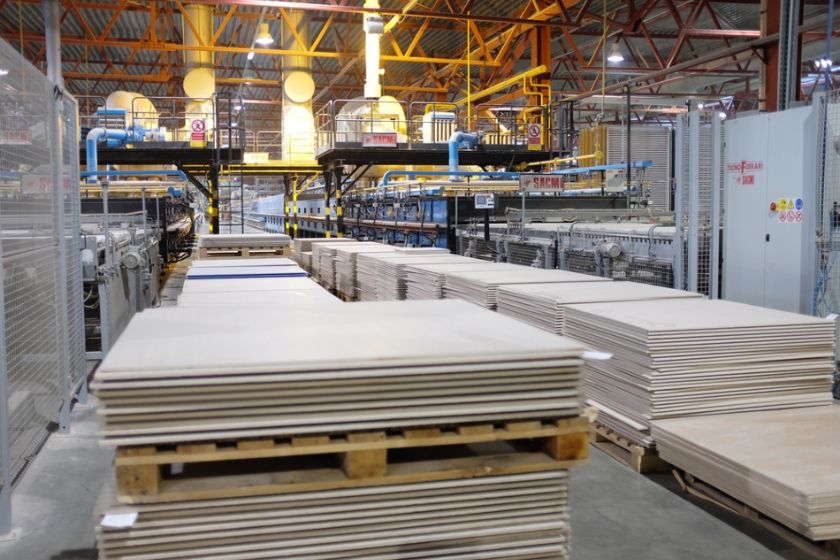
Packing & Palletizing: At the factory, using corner protectors, foam sheets, cardboard dividers, and robust, moisture-resistant cardboard boxes. Proper unitization on pallets is critical.
-
Inland Transportation: Moving containers via truck or rail from factory to origin port. Road conditions and handling during loading/unloading are key risk areas.
-
Origin Port Operations: Customs export clearance, container stuffing (often done poorly if not supervised), and vessel loading.
-
Ocean Freight: The longest leg. Choosing the right shipping line, service route (direct vs. transshipment), and understanding sailing schedules.
-
Destination Port & Customs Clearance: The most bureaucratic phase. Subject to inspection, duties, and port congestion. Delays here incur demurrage and detention charges.
-
Last-Mile Delivery: Final transport to the buyer’s warehouse or job site, requiring careful offloading.
Section 2: Deconstructing the Major Logistics Challenges
The industry’s logistics pain points are interconnected, creating a complex web of risk. Let’s examine each in detail with contemporary context.
۲.۱. Physical Damage and Breakage: The Perennial Nemesis
Damage remains the single most significant source of financial loss and customer dissatisfaction. According to a 2024 industry survey by Global Trade Magazine, an average of 3-8% of tile shipments incur some form of damage, with peaks up to 15% on complex routes.
Root Causes:
-
Inferior/Poorly Designed Packaging: Not accounting for dynamic stresses during multi-modal transit.
-
Improper Container Stuffing: Lack of dunnage (void fillers), inadequate securing, or over-tightening of straps causing pressure points.
-
Rough Handling: Use of inappropriate equipment (like metal hooks) at ports or by untrained personnel.
-
Vibration and Shock: During rail or road transit, especially on poor infrastructure. “Stack resonance” in container stacks on ships during rough seas is a known issue.
Real-World Example: A Spanish exporter to Canada consistently faced breakage in the top layers of pallets. An audit revealed the issue was not ocean transit but the final 200km truck journey from the Canadian port on a specific highway with known vibration frequencies. The solution involved adding a specific grade of damping foam in the top-layer packaging.
۲.۲. Soaring and Volatile Freight Costs
The post-pandemic logistics landscape has been a rollercoaster. While container spot rates have retreated from the historic highs of 2021-2022, they remain volatile. As of Q2 2024, the Freightos Baltic Index (FBX) shows rates on key Asia-Europe and Trans-Pacific lanes are approximately ۲-۳ times higher than pre-2019 averages, with frequent fluctuations based on fuel costs, geopolitical tensions (like Red Sea disruptions), and carrier capacity management.
Impact on Tile Exports:
-
Eroded Price Competitiveness: Sudden freight increases can nullify a carefully calculated FOB price, making quotes invalid.
-
Contract Disputes: Disagreements over who bears unexpected cost increases (seller vs. buyer) under CIF or CFR terms.
-
Budgeting Nightmares: Difficulty in forecasting landed costs for the year.
۲.۳. Customs Clearance and Regulatory Hurdles
Customs is not a uniform process. Each country has evolving regulations that directly impact tile imports.
-
Duties and Tariffs: Subject to trade agreements and often anti-dumping duties. For instance, the EU has had long-standing anti-dumping measures on certain ceramic tiles from various countries.
-
Technical Standards and Testing: Tiles must comply with destination market standards (e.g., ISO 13006 for ceramics, ANSI A137.1 in the USA, GB/T 4100 in China). Proof via test reports from accredited labs is mandatory.
-
Product Classification: Correct HS Code harmonization is critical. An incorrect code can lead to wrong duty assessment, fines, and delays.
-
Documentation Errors: Even minor discrepancies between the packing list, invoice, and bill of lading can trigger manual inspections, holding the container for days or weeks.
۲.۴. Port Congestion and Infrastructure Bottlenecks
Global port efficiency varies wildly. Congestion at major transshipment hubs like Singapore, Rotterdam, or Los Angeles/Long Beach creates ripple effects. The ۲۰۲۴ Container Port Performance Index by the World Bank highlights that dwell times (the time a container spends in a port) can differ by over 7 days between top-tier and bottom-tier ports. For tiles, prolonged exposure to port environments (humidity, salt air) and multiple handling cycles increase damage risk.
۲.۵. Inefficient Last-Mile and Final Handling
The journey’s final leg is often the most uncontrolled. Challenges include:
-
Lack of Proper Equipment: Receiving warehouses may not have forklifts with appropriate tile clamps or side-shifters, leading to manual, risky handling.
-
Scheduling Delays: Coordinating delivery with site readiness in construction projects.
-
Returns and Reverse Logistics: Handling damaged or excess tiles is logistically cumbersome and costly, with little recovery value.
Section 3: Strategic Solutions and Best Practices
Overcoming these challenges requires a proactive, strategic approach, not just reactive firefighting.
۳.۱. Reinventing Packaging and Unitization
Investing in smart packaging yields the highest ROI in damage reduction.
-
Engineered Packaging Solutions: Work with packaging experts to design boxes that account for compression strength, edge protection, and vibration damping. Corrugated cardboard specifications matter.
-
Advanced Unit Load Devices: Use slip sheets instead of pallets to save space and weight. Returnable/Reusable Plastic Packaging (RPP) is gaining traction for closed-loop supply chains with repeat customers, reducing waste and cost long-term.
-
Container Optimization Software: Use tools to generate optimal stuffing plans, ensuring even weight distribution and minimizing void spaces that lead to shifting.
-
IoT-Enabled Monitoring: Place low-cost shock and tilt sensors inside a sample container. Data on drops, impacts, and prolonged tilting pinpoints exactly where and when mishandling occurs, providing irrefutable evidence for claims.
۳.۲. Mastering Freight and Carrier Management
-
Diversify Mode & Route Mix: Don’t rely on a single shipping line or port. For urgent orders, consider LCL (Less than Container Load) sea-air combinations or groupage services.
-
Long-Term Contracts (MCCs): Negotiate Minimum Quantity Commitments (MQCs) with carriers for stable, contracted rates on key lanes, hedging against spot market volatility.
-
Freight Forwarder as Strategic Partner: Choose a forwarder with specific expertise in heavy, fragile cargoes (break-bulk or project cargo experience is a plus). They should provide clear visibility and proactive communication.
-
Incoterms Strategy: Move from high-risk terms like EXW to more controlled terms like FCA (Factory) or FOB, where you manage the process up to a defined point, ensuring better packing and inland logistics.
۳.۳. Navigating the Regulatory Labyrinth
-
Employ a Local Customs Broker Early: Don’t wait until shipment arrival. Engage a broker in the destination country during the quoting phase to get accurate duty and tax assessments.
-
Centralize Compliance Documentation: Create a digital “master packet” for each product line containing all necessary test reports, certificates, and technical data sheets. Ensure sales teams always use the latest, approved HS codes.
-
Stay Informed on Trade Policies: Subscribe to updates from sources like the International Trade Centre (ITC) or local trade associations regarding changes in duties or regulations.
۳.۴. Leveraging Technology for Visibility and Control
Digital transformation is no longer optional.
-
Transportation Management System (TMS): A dedicated TMS provides end-to-end visibility, automates documentation, optimizes carrier selection, and tracks shipments in real-time.
-
Blockchain for Documentation: Pilots are underway using blockchain to create immutable, shared records of bills of lading and certificates, reducing fraud and speeding up document transfer.
-
Predictive Analytics: Use historical data on port performance, seasonal weather patterns, and carrier reliability to predict delays and build buffer times into schedules.
Section 4: The Future Landscape: Trends Shaping 2025 and Beyond
The logistics ecosystem is evolving. Forward-thinking exporters are already preparing for these shifts.
-
Green Logistics Mandates: Pressure is mounting to reduce the carbon footprint of supply chains. This includes optimizing routes for fuel efficiency, exploring biofuels for shipping, and using sustainable/recyclable packaging. Customers, especially in Europe, are starting to request carbon emission data for their shipments.
-
Nearshoring and Regionalization: Geopolitical tensions and a desire for supply chain resilience are prompting some brands to source tiles from closer regional hubs (e.g., European projects sourcing from Turkey or Eastern Europe rather than Asia), altering traditional trade flows.
-
Automation in Ports and Warehouses: Increased use of AI-powered cranes, automated guided vehicles (AGVs), and robotic palletizing will reduce human handling errors, a significant cause of damage.
-
The “Amazon Effect” in B2B: Expectations for shipment visibility, faster delivery, and flexible fulfillment options are trickling into the B2B tile sector, driven by digital-native distributors and retailers.
Conclusion: From Challenge to Competitive Edge
The journey of exporting ceramic and tile products is fraught with logistical hurdles, from the physical vulnerability of the cargo to the abstract complexities of global trade compliance. As we’ve explored, these challenges—damage, cost volatility, regulatory snafus, and congestion—are not isolated incidents but systemic features of a complex global supply chain.
However, within each challenge lies an opportunity for differentiation. By re-engineering packaging with data-driven insights, forging strategic partnerships with logistics providers, embracing technology for unparalleled visibility, and staying ahead of regulatory and sustainability trends, exporters can transform their logistics function. It ceases to be a mere cost of doing business and becomes a reliable pillar of brand promise—assuring global clients that their order will arrive on time, in budget, and in perfect condition.
The future belongs to those who view logistics not as a backend operation, but as an integral part of the product value proposition. The maze is navigable, and the rewards—increased customer loyalty, stronger margins, and expanded market access—are substantial.
Ready to transform your ceramic tile export logistics from a persistent headache into a streamlined, reliable advantage? The first step is a comprehensive supply chain audit. [Contact our team of specialized logistics consultants today for a personalized diagnostic and strategic roadmap].


نظرات ۰