


The Silent Evolution of the Surfaces Under Your Feet
Have you ever considered that the floor beneath you could be more than just a passive surface? In a world where we spend nearly 90% of our time indoors, the materials we surround ourselves with have a profound impact on our health, safety, and environmental footprint. Traditional ceramic tiles have served us well for millennia, but a new era has dawned: the era of Reactive Tiles.
Imagine a bathroom floor that becomes grippier the moment it gets wet, preventing life-altering slips and falls. Picture a kitchen countertop or a hospital floor that actively neutralizes 99.9% of bacteria without the use of harsh chemicals. These are not futuristic fantasies; they are the reality of reactive interior tiles. As we transition to outdoor spaces, the innovation continues with sustainable tiles that mitigate urban heat islands and manage rainwater runoff.
For homeowners, architects, and developers, the choice of flooring is no longer just about aesthetics or “look and feel.” It is about functionality and responsiveness. Whether you are dealing with the arid climates of the Middle East or the humid interiors of a modern spa, understanding the mechanics and benefits of reactive tiles is essential. This article provides a comprehensive deep dive into the technology, application, and future of reactive surfacing, offering actionable insights for your next project.
۱. The Science Behind Reactive Interior Tiles: How They Work
To appreciate the value of reactive tiles, one must understand the chemistry embedded in their glazes. Unlike standard tiles, reactive tiles are engineered with “active” additives that respond to environmental triggers like moisture, light, or temperature.
Photocatalytic Surfaces
Many antibacterial reactive tiles use titanium dioxide ($TiO_2$) in their finish. When exposed to light (either UV or high-efficiency LED), a photocatalytic reaction occurs. This process creates “active oxygen” species that decompose organic pollutants, odors, and the cell membranes of bacteria.
Hydrophilic Properties
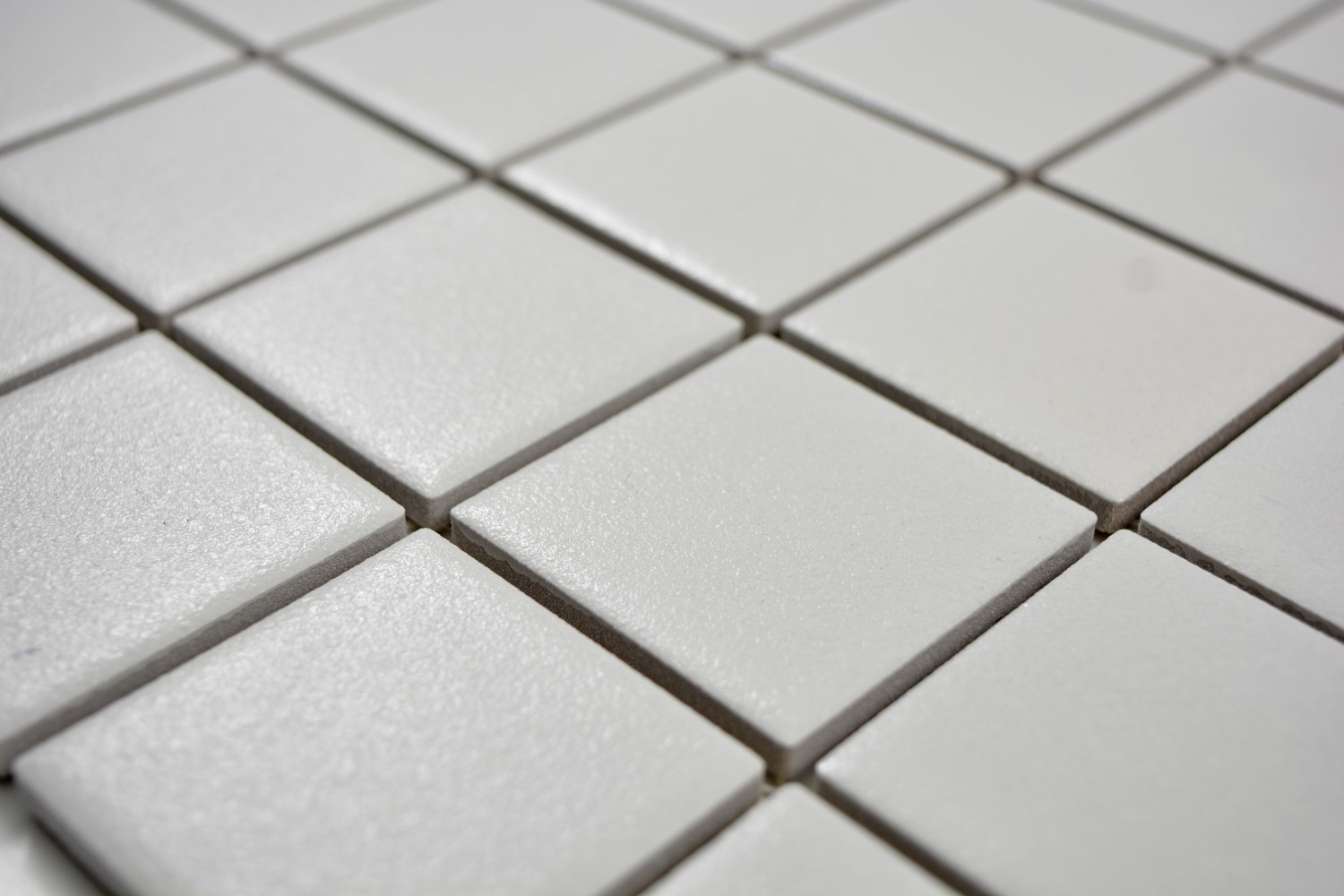
Reactive tiles often possess hydrophilic (water-loving) properties. Instead of water forming dangerous droplets on the surface, it spreads into a thin, uniform film. This prevents the “hydroplaning” effect that causes slips and makes the surface significantly easier to clean, as dirt is lifted by the water layer rather than sticking to the tile.
Operational Tip for Readers:
When sourcing these tiles, ask for the “ISO 27447” certification. This is the international standard for the antibacterial activity of semiconducting photocatalytic materials. If a manufacturer cannot provide this, the “reactive” claim may just be marketing fluff.
۲. Revolutionizing Safety: The Next Generation of Anti-Slip Technology
Slip-and-fall accidents are a leading cause of domestic injuries. Traditional anti-slip tiles often rely on a rough, sandpaper-like texture that is uncomfortable to walk on and a nightmare to clean. Reactive tiles solve this through “intelligent friction.”
Dynamic Friction Coefficients
Modern reactive interior tiles utilize a surface structure that remains smooth to the touch when dry but increases its Coefficient of Friction (CoF) the moment it contacts liquid. This is achieved through microscopic suction-cup effects or “smart polymers” integrated into the glaze.
Comparison: Traditional vs. Reactive Anti-Slip Tiles
Actionable Solution:
If you are renovating a bathroom for an elderly family member, do not just look for a “R10” or “R11” rating. Look for tiles specifically labeled as “Smooth-Touch Anti-Slip.” These offer the necessary safety without the abrasive texture that irritates bare feet.
۳. Antibacterial and Self-Cleaning Power: A Health Necessity
In the post-pandemic era, hygiene is non-negotiable. Reactive tiles are now being used in high-traffic areas like kitchens, gyms, and clinics to provide 24/7 protection.
The Role of Silver Ions ($Ag^+$)
While photocatalytic tiles need light, another branch of reactive tiles uses silver ion technology. Silver ions are integrated into the tile’s mineral structure during the firing process at temperatures exceeding 1200°C. These ions are permanently active, even in total darkness, inhibiting the growth of common pathogens like E. coli and Staphylococcus aureus.
Real-World Application: The Iranian Context
In Iran, where the tile industry is a powerhouse (specifically in regions like Yazd), manufacturers are increasingly adopting these technologies. For an Iranian homeowner, using antibacterial tiles in a “dirty kitchen” or a courtyard-facing entrance can significantly reduce the dust-borne bacteria common in dry, windy climates.
Implementation Checklist:
-
Step 1: Identify high-moisture zones (Bathrooms, Laundry).
-
Step 2: Select silver-ion-based tiles for dark areas (internal bathrooms).
-
Step 3: Select photocatalytic tiles for areas with natural sunlight (patios, sunrooms).
۴. Sustainable Outdoor Tiles: Combatting Heat and Water Issues
The “reactive” revolution isn’t limited to interiors. Outdoor spaces face different challenges: extreme heat and water management.
Solar Reflectance Index (SRI)
Reactive outdoor tiles are designed with high SRI values. These tiles reflect a large portion of solar radiation and emit absorbed heat quickly. In urban centers like Tehran or Dubai, where the “Urban Heat Island” effect can raise temperatures by 5-10°C, these tiles are a sustainable cooling solution.
Permeable Reactive Pavers
Sustainability also means water management. Reactive outdoor systems now include permeable tiles that allow water to filter through the surface into the soil below. This reduces the load on city drainage systems and prevents localized flooding during heavy seasonal rains.
Operational Tip:
If you are designing a terrace or a rooftop garden, choose “Cool Roof” certified reactive tiles. This can reduce your building’s cooling costs by up to 15% during the summer months.
۵. Durability and Longevity: The Maintenance Advantage
One of the biggest misconceptions is that “reactive” means “fragile.” On the contrary, these tiles are often more durable than their traditional counterparts.
Stain Resistance
Because of the hydrophilic nature of reactive tiles, oils and organic stains cannot easily penetrate the surface. A simple wipe with water is often enough to clean a surface that would typically require heavy degreasers.
Chemical Resistance
Unlike coatings that are applied after installation, the reactive properties of these tiles are fused into the ceramic body during firing. This means the antibacterial or anti-slip properties won’t wear off, even after decades of heavy foot traffic or cleaning.
Comparison Table: Maintenance Requirements
۶. Installation Best Practices for Reactive Surfaces
Even the most advanced reactive tiles will fail if installed incorrectly. Because these tiles often have specific surface orientations, the installation process requires a professional touch.
Using the Right Adhesives
Always use high-flexibility (C2TE S1/S2) adhesives, especially for outdoor reactive tiles that undergo thermal expansion. For antibacterial tiles in healthcare settings, using “epoxy grout” is mandatory to ensure the joints are as hygienic as the tile surface itself.
Managing the “Active” Surface
During installation, builders often use grout removers or acids. With reactive tiles, you must ensure these chemicals do not leave a residue that “masks” the active surface.
-
Actionable Step: Always perform a “clean water rinse” twice after grouting to ensure the microscopic reactive pores are open and ready to function.
Checklist for Contractors:
-
Check for “batch consistency” to ensure reactive agents are uniform.
-
Use a 2mm minimum joint for outdoor thermal movement.
-
Avoid wax-based sealers on reactive anti-slip surfaces.
۷. The Future of Smart Surfaces: What’s Next?
The world of reactive tiles is moving toward even more “intelligent” behavior. We are seeing the development of:
-
Color-changing tiles: Tiles that change hue based on temperature, acting as a visual warning for hot water in showers.
-
Energy-harvesting tiles: Experimental pavers that generate small amounts of electricity from the pressure of footsteps.
-
CO2-Absorbing Tiles: Outdoor surfaces that actively “scrub” carbon dioxide from the air.
For the modern consumer, investing in reactive technology is a way to future-proof their property. As building codes become stricter regarding sustainability and safety, these materials will transition from “luxury” to “standard.”
Conclusion: Stepping Into a Smarter Future
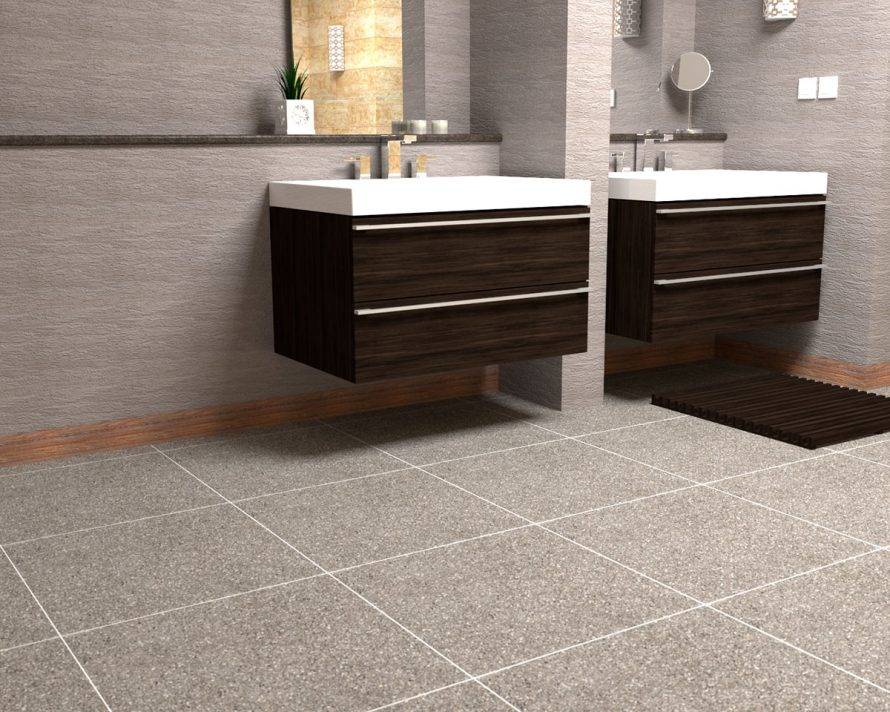
The transition from passive to reactive tiles represents a fundamental shift in how we perceive architecture. We are no longer just building shelters; we are building “active environments” that care for our health, protect us from accidents, and respect the planet.
From the anti-slip bathroom floors that protect our children and the elderly, to the antibacterial surfaces that keep our kitchens sterile, the benefits of this technology are tangible and immediate. For the sustainable-minded developer, the use of high-SRI outdoor tiles is a powerful tool against climate change.
As you plan your next renovation or construction project, don’t settle for “just a tile.” Look for a surface that reacts to your needs. Ask your supplier for reactive options, verify their certifications, and invest in a surface that works as hard as you do.


نظرات ۰