
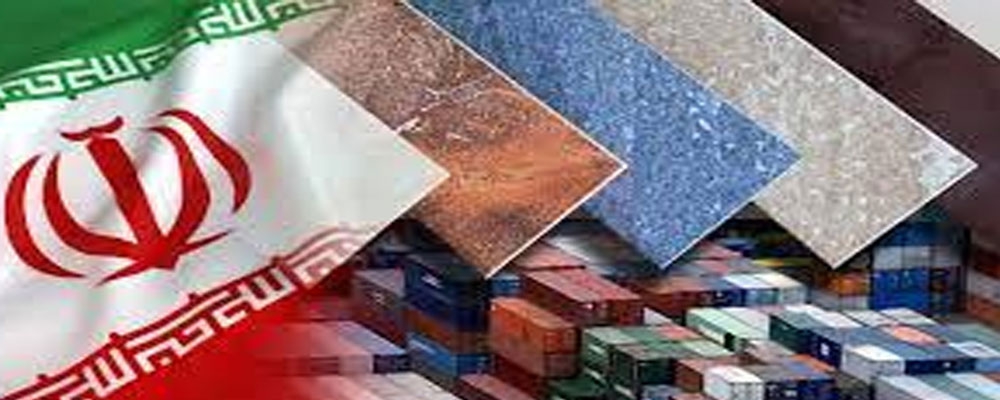

In the fiercely competitive world of global construction and interior design, the margin between profit and loss is often determined by a single factor: sourcing. For developers, wholesalers, and procurement managers, the holy grail has always been finding a product that balances premium aesthetic appeal with a cost structure that allows for healthy margins. Traditionally, the market has looked to Italy and Spain for design, and China or India for volume. However, a seismic shift is occurring in the global supply chain. A new powerhouse has solidified its position as a top-tier contender, offering a unique value proposition that is becoming impossible to ignore. That contender is Iran.
The Iranian tile and ceramic industry is not a fledgling experiment; it is a mature, colossal industrial machine rooted in thousands of years of history yet powered by modern technology. Iran is currently ranked among the top five producers and exporters of ceramics in the world. But why is there such a buzz now? The answer lies in a perfect storm of economic factors: massive natural resource abundance, advanced manufacturing infrastructure, and currency valuation dynamics that have created arguably the most competitive pricing in the global market.
This article serves as a definitive guide for international buyers. We will move beyond the surface level and dissect the technical, economic, and logistical realities of sourcing tiles from Iran. We will explore how Iranian manufacturers are producing European-grade porcelain at a fraction of the cost, how to navigate the supply chain, and why now is the strategic moment to diversify your inventory with Persian ceramics.
The Economic Engine: Why are Iranian Tiles So Competitive?
To understand the opportunity, one must first understand the economics. How can a country produce high-quality porcelain slabs and glazed ceramics at prices that often undercut Chinese and Indian competitors? The answer is not “cutting corners”—it is “resource advantage.”
The Energy Advantage
The production of ceramics is energy-intensive. Kilns must be fired to temperatures exceeding 1,200 degrees Celsius and maintained for long cycles to ensure durability and water resistance. In Europe, the cost of natural gas is a massive overhead that drives up the ex-work price of every square meter.
Iran holds the world’s second-largest natural gas reserves. Consequently, Iranian factories benefit from some of the lowest industrial energy rates on the planet. This is not a temporary subsidy but a structural geographic advantage. This allows manufacturers to run their kilns continuously without the crushing overheads faced by their European or Asian counterparts. The savings in energy are passed directly to the buyer in the form of lower FOB (Free On Board) prices.
Raw Material Abundance
Ceramics require specific raw materials: clay, kaolin, feldspar, silica, and glaze materials. Many tile-producing nations must import these raw materials, adding logistics costs before production even begins.
Iran is a geological goldmine. Approximately 90% of the raw materials required for tile production are mined domestically, often within a short trucking distance of the major industrial parks in Yazd and Isfahan. By eliminating the need to import raw earth materials, Iranian factories shave another significant percentage off their production costs.
Skilled Labor and Currency Exchange
The currency exchange rate between the US Dollar (or Euro) and the Iranian Rial offers a significant arbitrage opportunity for foreign buyers. While local production costs are paid in Rial, the export pricing—even when adjusted for international markets—remains incredibly attractive for holders of hard currency. Furthermore, Iran possesses a highly skilled workforce, including ceramic engineers and industrial designers, ensuring that low labor costs do not equate to low skill levels.
Product Spectrum: What Can You Actually Buy?
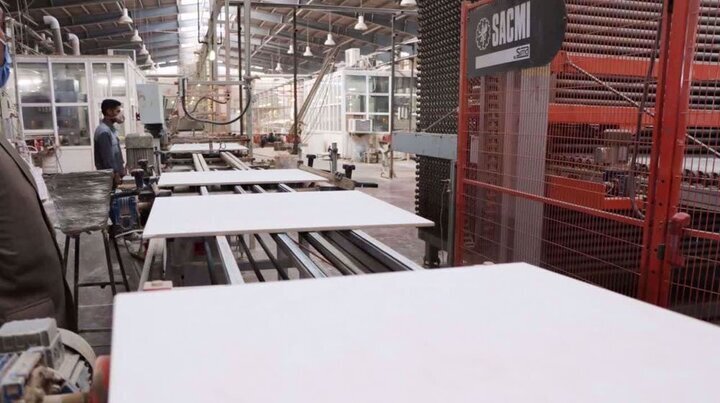
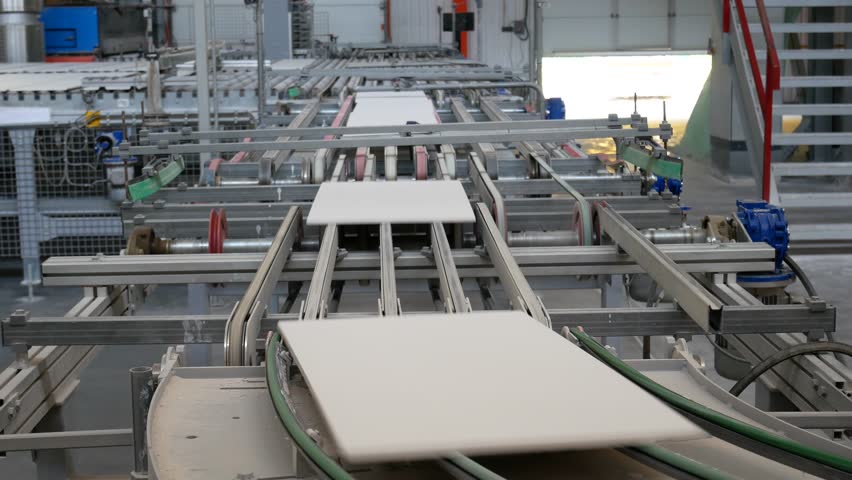
A common misconception is that low price equals basic design. However, the Iranian ceramic sector has invested heavily in digital printing technology (Inkjet) and modern pressing machinery (often imported from Italy’s SACMI or other leading European tech providers).
H3: Porcelain vs. Ceramic (Red Body/White Body)
Iran produces the full spectrum:
-
Porcelain (Full Body & Glazed): This is the flagship export. Iranian porcelain usually boasts a water absorption rate of less than 0.5%, making it frost-proof and suitable for high-traffic commercial areas.
-
White Body Wall Tiles: Known for their precise dimensions and ability to hold vibrant glazes, these are popular for bathroom and kitchen interiors.
-
Red Body Tiles: A more economical option, perfect for markets where price is the sole deciding factor, yet still compliant with standard durability tests.
The Rise of Large Slabs
Modern architecture demands size. The era of the 30×30 cm tile is fading in luxury markets. Iranian factories have retooled to produce large-format slabs.
-
Standard Large Formats: ۶۰×۱۲۰ cm, 80×80 cm, and 100×100 cm are now standard production outputs.
-
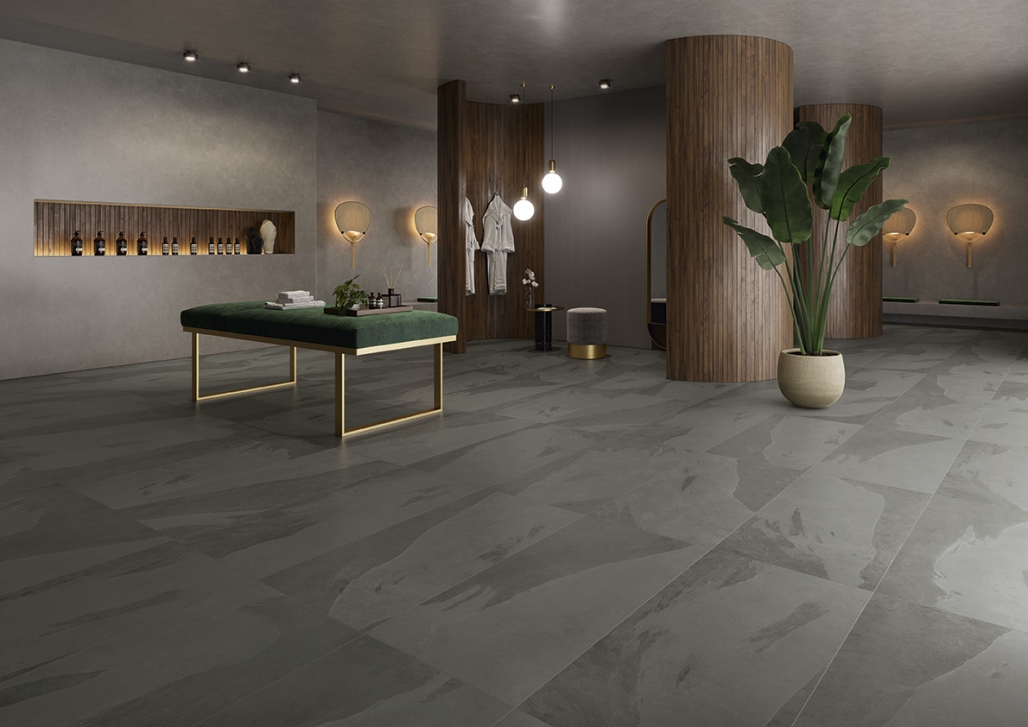
Mega Slabs: Leading factories are now producing 120×240 cm slabs, used for countertops, wall cladding, and seamless flooring. These compete directly with Italian surfaces but at a fraction of the cost.
Finishes and Aesthetics
The visual variety is vast due to advanced digital printing.
-
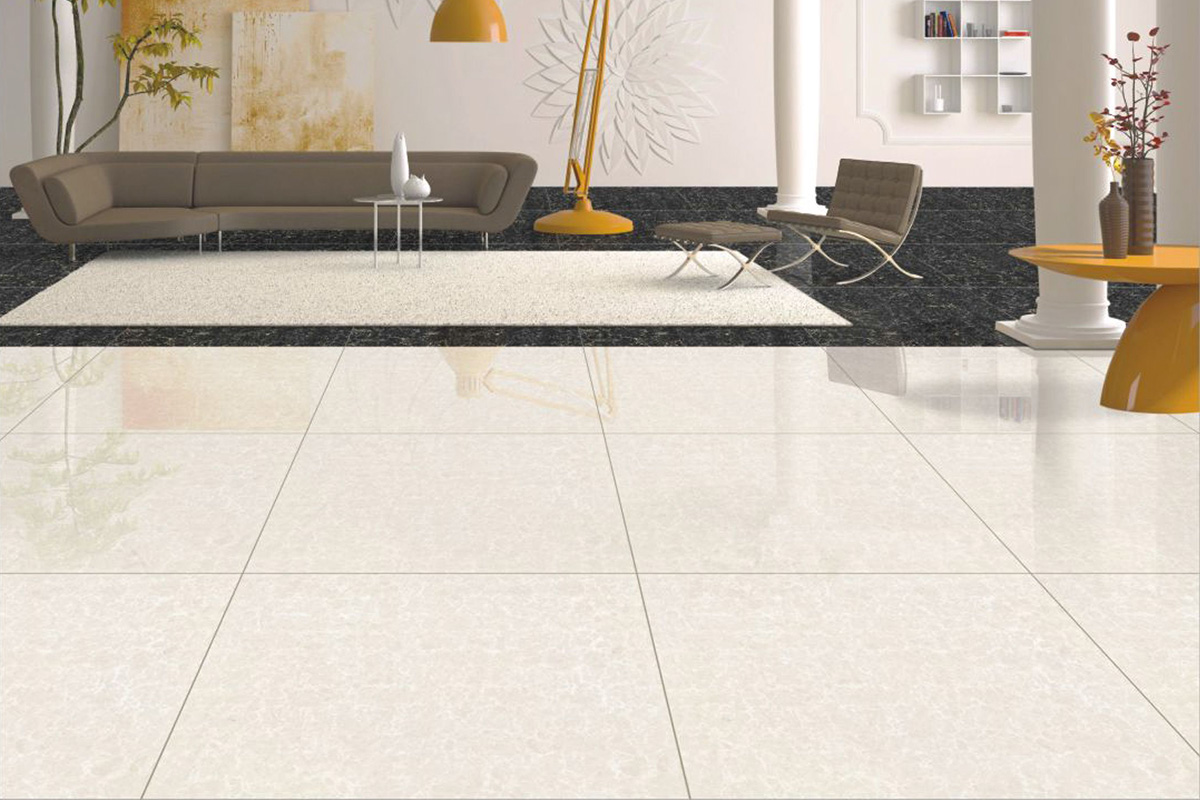
Nano-Polished: High-gloss finishes that are stain-resistant, popular in hotel lobbies and luxury homes.
-
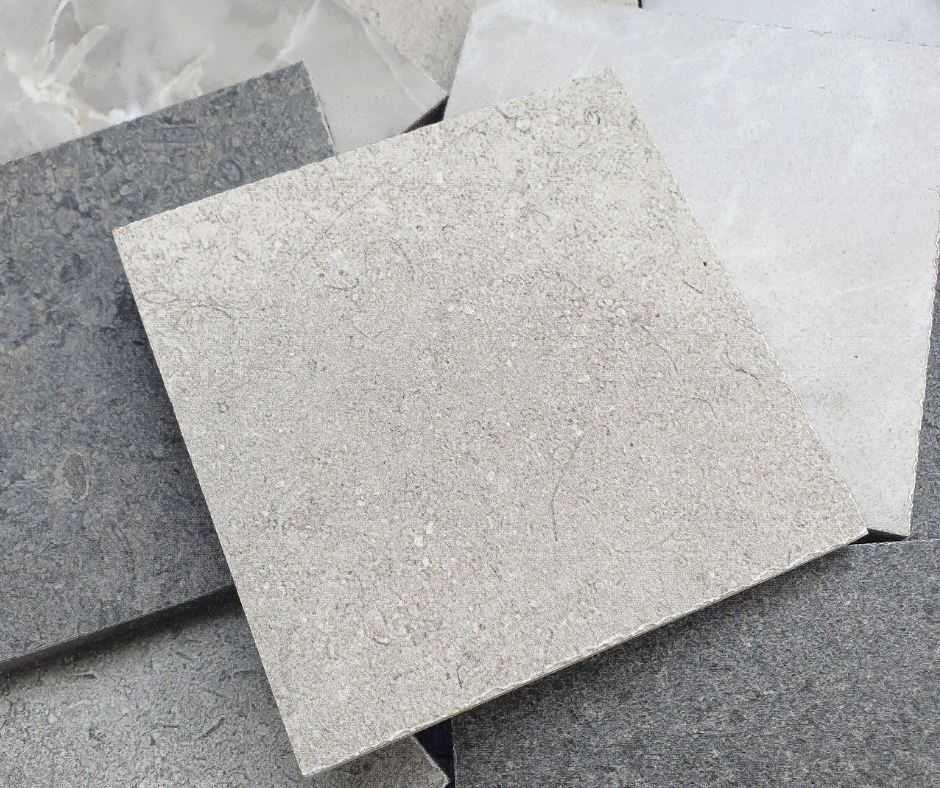
Matt and Rustic: Textured finishes that mimic natural stone or cement, ideal for modern industrial designs and outdoor paving.
-
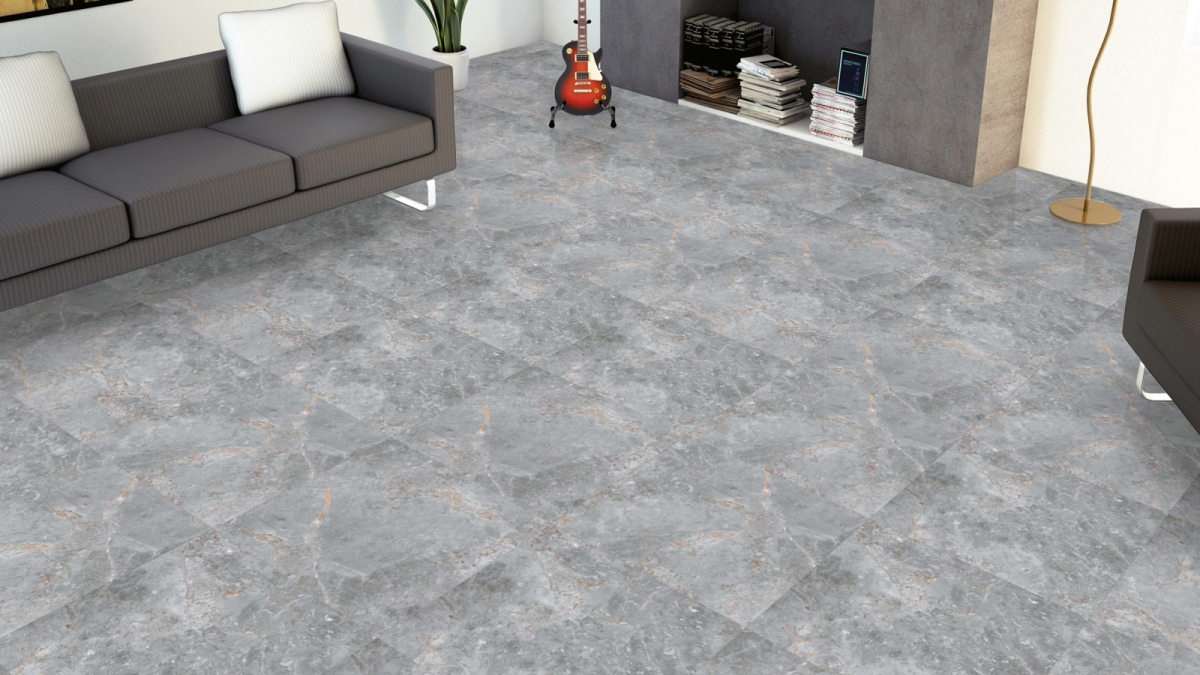
Book-match Designs: High-end marble replicas where the veins flow continuously from one tile to another, creating a premium look for feature walls.
Quality Assurance and Standards
For an international buyer, consistency is key. A cheap tile is worthless if it cracks or varies in shade.
Compliance with Global Standards
Top-tier Iranian exporters operate under strict quality controls. Most major factories hold:
-
ISO 9001: Quality Management Systems.
-
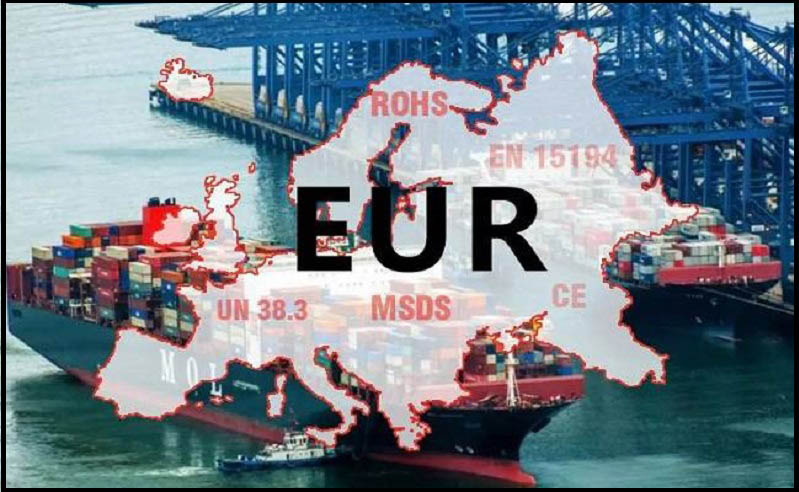
CE Marking: Mandatory for export to the European Economic Area, proving the tiles meet EU safety and environmental requirements.
-
SGS Inspections: Many exporters are willing to undergo third-party inspections (like SGS or BV) at the port of loading to guarantee that the goods match the proforma invoice.
Understanding Grading (Sorts)
In the Iranian market, tiles are usually categorized by “Sorts.”
-
۱st Sort: Flawless, uniform size, perfect calibration, and no surface defects. This is what international buyers should target.
-
۲nd and 3rd Sort: Minor defects, pinholes, or slight calibration issues. These are significantly cheaper and are often sold to markets where price is the only concern (e.g., certain African or Central Asian markets for low-cost housing).
-
Tip for Buyers: Always specify “Export Grade” or “1st Sort” in your contracts to ensure you receive the premium quality product.
The Logistics of Exporting from Iran
Sourcing is not just about the product; it’s about getting it to your warehouse. Iran’s geographic location is strategic, acting as a bridge between East and West.
Maritime Transport (Bandar Abbas)
The primary gateway for Iranian exports is the Port of Bandar Abbas in the south.
-
Container Shipping: Goods are palletized and loaded into 20ft containers. A standard 20ft container can hold approximately 25 to 27 tons of tiles (depending on the destination port’s weight limits), which translates to roughly 1,000 to 1,400 square meters depending on tile thickness.
-
Routes: From Bandar Abbas, shipping lines connect to Jebel Ali (UAE) and then transship to virtually anywhere in the world—Africa, Europe, or Asia.
Overland Transport (CIS and Neighbors)
For buyers in Russia, Central Asia (CIS countries), Turkey, or Iraq, road and rail transport is a viable and often faster option.
-
Trucking: A fleet of heavy-duty trucks constantly moves ceramics northwards and westwards.
-
Rail: The rail corridor connecting Iran to Central Asia is becoming increasingly efficient for bulk transport of heavy construction materials.
Packaging Protocols
To prevent breakage during the rough handling of international transit, Iranian exporters use standardized packaging:
-
Carton Boxes: Tiles are boxed with corner protection.
-
Wooden Pallets: Boxes are stacked on sturdy wooden pallets.
-
Strapping and Shrink Wrap: The entire pallet is strapped tightly and wrapped in heavy-duty plastic to prevent movement and moisture damage.
-
Airbags: Professional loaders use airbags inside the container to fill empty spaces, ensuring pallets do not shift during sea voyages.
Navigating the Business Landscape: How to Source
Doing business in Iran requires understanding the local business culture and financial mechanisms.
The Hubs: Yazd and Isfahan
While factories are scattered across the country, the province of Yazd is the heart of the ceramic industry, accounting for a massive chunk of national production. Isfahan is another major hub. For a serious buyer, a visit to these industrial zones (or attending the Tehran International Tile & Ceramic Exhibition) provides an opportunity to see the scale of production firsthand.
Payments and Financial Solutions
This is the most common question from international buyers: How do I pay?
Due to banking sanctions, traditional swift transfers directly to Iranian banks can be challenging. However, the trade ecosystem has adapted robustly.
-
Third-Party Transfers: Most major exporters have registered companies and bank accounts in intermediary hubs like Dubai (UAE), Turkey, or Oman. Buyers transfer funds to these corporate entities, which then handle the internal settlement with the factory.
-
Exchange Houses (Sarafi): A trusted network of exchange systems ensures that payments are secure and verified.
-
Cash and Carry: For regional neighbors, cash transactions or local currency swaps are common.
Incoterms and Contracts
It is vital to be clear on Incoterms.
-
Ex-Works (EXW): You pick up the goods at the factory floor. Best if you have your own forwarder in Iran.
-
FOB (Free on Board): The seller handles internal transport and customs clearance up to the ship’s rail at Bandar Abbas. This is the most recommended term for new buyers.
Comparative Analysis: Iran vs. The World
To truly appreciate the value, let’s look at a quick comparison.
-
Iran vs. Italy/Spain:
-
Quality: Top-tier Iranian porcelain is 90-95% comparable to European quality in terms of technical durability.
-
Design: Europe leads in trend-setting, but Iran quickly replicates these trends.
-
Price: Iran is often 70-80% cheaper than European equivalents.
-
-
Iran vs. China:
-
Quality: Iran often offers better “body” quality (materials) than budget Chinese tiles.
-
Price: While China is cheap, anti-dumping duties in many countries (like the EU or US) make Chinese tiles expensive. Iranian tiles generally do not face these same anti-dumping tariffs in many markets, giving them a landed-cost advantage.
-
-
Iran vs. India:
-
Consistency: While India is a massive producer, some buyers report higher consistency in flatness and calibration from top Iranian factories due to the uniformity of the raw material sources.
-
Why Now? The Strategic Window
The global construction market is facing inflation. Cement, steel, and energy prices are rising globally. In this environment, a source that offers insulation from high energy costs is a strategic asset.
Furthermore, the Iranian industry is hungry for export. With the domestic construction market stabilizing, factories are prioritizing export clients. They are willing to offer better terms, customization (OEM services), and priority production slots to international partners.
Customization and OEM
Many Iranian factories offer OEM (Original Equipment Manufacturer) services. If you are a brand in Africa or Europe, you can have your own designs produced in Iran, packaged in your branded boxes, and shipped as your private label product. This allows you to build your brand equity while leveraging Iranian manufacturing costs.
Conclusion
The narrative of the Iranian tile and ceramic industry is one of resilience and immense potential. It is a sector where ancient artistry meets modern industrial might, powered by an unparalleled resource advantage.
For the international buyer, the equation is simple: High Quality + Low Energy Costs + Favorable Exchange Rates = Unbeatable Value.
While the logistical and financial nuances of trading with Iran require a knowledgeable approach, the rewards for navigating these waters are substantial. By sourcing from Iran, you are not just buying a tile; you are securing a competitive edge in your local market. You are accessing a product that looks like a million dollars but costs significantly less.
As global supply chains realign, those who establish partnerships with Iranian manufacturers now will likely dominate the price-quality matrix in their respective markets for years to come. The kiln is hot, the product is ready, and the door to Persia is open.

نظرات ۰