Beyond BRICS: The Strategic Sectors Fueling the Iran–South Africa Trade Renaissance

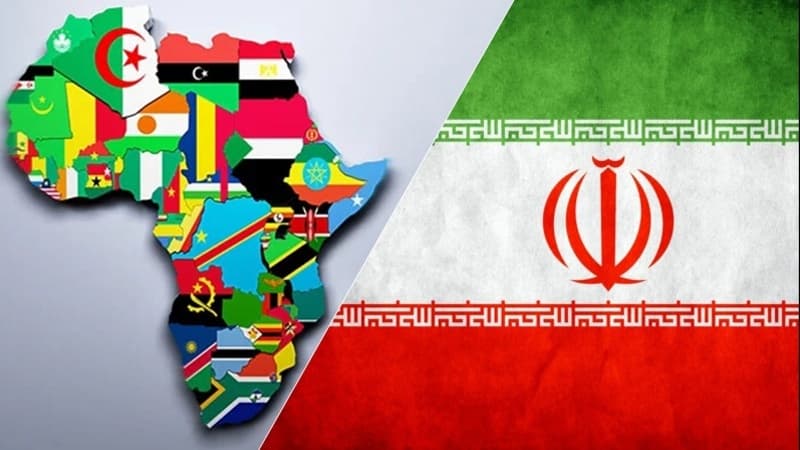
The geopolitical landscape of the Global South is undergoing a seismic shift, and at the heart of this transformation lies a rekindled partnership between two regional giants: Iran and South Africa. Historically, the relationship between Tehran and Pretoria has been rooted in political solidarity, dating back to Iran’s support for the anti-apartheid movement. However, in the current economic climate, this relationship is evolving from purely diplomatic camaraderie into a robust, multifaceted economic alliance.
With Iran’s recent accession to the BRICS alliance—a move strongly supported by South Africa—the doors have been flung open for a new era of bilateral trade. For investors, business leaders, and policy analysts, understanding the mechanics of this relationship is no longer optional; it is a strategic necessity. The synergy is palpable: Iran sits as the gateway to Central Asia and the Middle East, while South Africa serves as the economic engine and logistical hub of the African continent.
But what exactly is driving this growth? It is not merely a general desire to trade; specific, high-value sectors are acting as the engines of this expansion. From the energy corridors to the agricultural heartlands, and from deep-level mining to high-tech medical solutions, the commercial ecosystem between these two nations is becoming increasingly sophisticated.
This article provides an in-depth analysis of the primary sectors driving the growth of Iran-South Africa trade relations. We will explore the opportunities, the technical synergies, and the practical realities of doing business across the Indian Ocean in a post-sanctions, BRICS-empowered world.
The Geopolitical Catalyst: BRICS and the New Economic Architecture
Before diving into specific industries, it is essential to understand the “macro” environment facilitating this trade. The inclusion of Iran in the BRICS bloc (Brazil, Russia, India, China, and South Africa) is the single most significant accelerator for bilateral ties.
Moving Beyond the Dollar
One of the persistent hurdles in Iran-South Africa trade has been the complexity of international banking due to unilateral sanctions. However, the BRICS framework prioritizes the development of alternative payment mechanisms and the use of local currencies for trade settlement. For Iranian exporters and South African importers, this signals a future where trade barriers related to currency conversion are significantly lowered, allowing for smoother transactions in Rials and Rands.
The Joint Economic Commission (JEC)
The revival of the Joint Economic Commission meetings between the two nations has provided a roadmap for cooperation. These high-level governmental talks have moved beyond rhetoric, focusing now on removing double taxation, easing visa requirements for business travelers, and establishing direct shipping lines. This regulatory framework is the bedrock upon which the following sectors are building their growth.
Energy and Petrochemicals: The Traditional Powerhouse
Energy remains the undisputed heavyweight champion of the Iran-South Africa trade volume. However, the nature of this trade is shifting from simple crude oil exports to a more diversified portfolio of petrochemical products and engineering services.
Petrochemicals and Downstream Products
South Africa has a developed industrial base that requires a constant influx of chemical inputs. Iran, possessing some of the world’s largest proven reserves of hydrocarbons, has developed a massive petrochemical industry that creates value-added products.
-
Urea and Fertilizers: South Africa’s agricultural sector is vast, and Iran is a leading global producer of urea and ammonia. The direct export of fertilizers from Iranian petrochemical complexes to South African distributors is a booming trade route.
-
Bitumen and Construction: As South Africa looks to upgrade its infrastructure, the demand for high-grade bitumen is rising. Iran is a key supplier in this niche, offering competitive pricing compared to European alternatives.
-
Polymer Products: From plastics manufacturing to packaging, Iranian polymers are finding a receptive market in South African factories, driving down production costs for local industries.
Technical and Engineering Services in Energy
South Africa has faced significant challenges regarding electricity generation and grid stability. Iran has developed a highly self-sufficient power generation sector, including thermal, hydro, and renewables. There is a growing trend of exporting “technical knowledge” rather than just commodities. Iranian engineering firms are increasingly positioned to bid for maintenance, overhaul, and construction projects within South Africa’s energy grid, offering cost-effective solutions for power plant rehabilitation.
Agriculture and Food Security: A Symbiotic Relationship
If energy is the engine of trade, agriculture is its lifeline. The climatic differences between the two nations create a perfect “counter-seasonal” trading opportunity, ensuring that neither country competes directly but rather complements the other’s needs.
Iran’s Export Profile: Dried Fruits and Nuts
South Africa has a discerning consumer market that appreciates high-quality organic produce. Iran is the world’s unrivaled leader in specific agricultural niches:
-
Pistachios: Iranian pistachios are a premium product in South African retail chains.
-
Saffron and Dates: As the world’s largest producer of saffron and distinct varieties of dates (like Mazafati), Iran supplies both the South African culinary sector and the food processing industry.
-
Apple Exports: Interestingly, Iran has found a market for fresh apples in South Africa, filling gaps in supply during off-seasons or specific market shortages.
South Africa’s Export Profile: Corn and Tropical Fruits
Iran is a semi-arid country with a massive population to feed. It requires vast amounts of animal feed and tropical produce that it cannot grow domestically in sufficient quantities.
-
Maize (Corn): South Africa is a major global producer of corn. Iran is a massive importer of corn for animal feed (livestock and poultry). This is perhaps the most critical strategic import for Iran, ensuring domestic meat prices remain stable.
-
Tropical Fruits: South Africa’s pineapples, mangoes, and avocados have a high demand in Tehran’s markets, where such fruits are considered premium goods.
-
Seeds and Agrotech: South Africa possesses advanced agricultural technology, particularly in seed modification and drought-resistant farming. Transferring this technology to Iran represents a significant high-value trade avenue.
Mining and Mineral Processing: Shared Geologies, Shared Interests
Both Iran and South Africa are classified as mining superpowers. South Africa is famous for platinum, gold, and diamonds, while Iran holds massive reserves of copper, zinc, iron ore, and rare earth elements. The trade opportunity here lies in the exchange of technology and semi-finished goods.
Processing Technology and Machinery
While Iran has the raw materials, it often requires advanced extraction and processing technology to maximize yield. South Africa’s mining technology sector is world-class.
-
Equipment Supply: South African firms manufacturing heavy mining machinery, ventilation systems, and safety equipment have a hungry market in Iran’s expanding mine sites.
-
Metallurgy Consulting: Joint ventures are emerging where South African consultants assist Iranian firms in optimizing the beneficiation process (turning raw ore into metal) to ensure Iran exports higher-value metal ingots rather than raw ore.
Steel and Construction Materials
Iran is a top-10 global steel producer. South Africa requires steel for its construction and automotive sectors. While South Africa produces steel, the sheer volume required for infrastructure projects often necessitates imports. Iranian steel—known for being high quality and competitively priced due to low energy costs in production—is a strong competitor in the South African market.
Logistics and Transport: Connecting Bandar Abbas to Durban
Trade cannot exist without transport. The physical movement of goods between the Port of Bandar Abbas (Iran) and the Ports of Durban or Cape Town (South Africa) is a sector in itself.
The North-South Corridor
Iran promotes itself as the best transit route for South African goods destined for Central Asia, Russia, and the Caucasus. Instead of shipping goods around Europe to reach Russia, South African exporters can ship to Bandar Abbas, where goods are transported via rail or road northwards. This reduces transit time and cost, making Iranian logistics companies vital partners for South African exporters.
Shipping Lines and Maritime Services
The re-establishment and expansion of direct shipping lines are critical. The Islamic Republic of Iran Shipping Lines (IRISL) and South African logistics firms are working to increase the frequency of voyages. This sector includes not just shipping, but warehousing, customs brokerage, and freight forwarding services that specialize in navigating the regulatory environments of both nations.
Knowledge-Based Economy: Biotechnology and Medical Tourism
A surprising but rapidly growing sector is the exchange of high technology and medical services. Iran has made significant strides in biotechnology and pharmaceuticals under sanctions pressure, leading to a self-reliant and advanced industry.
Pharmaceutical Cooperation
Iran produces over 95% of its required medicines domestically and has advanced capabilities in producing bio-similar drugs and vaccines. South Africa, acting as a hub for the African continent, is an ideal partner for joint ventures in pharmaceutical manufacturing.
-
Cost-Effective Healthcare: Iranian medical equipment and medicines are often significantly cheaper than Western alternatives while maintaining high standards. South African healthcare providers are increasingly looking at these cost-effective alternatives.
Medical Tourism
Iran is becoming a global hub for medical tourism due to its highly skilled doctors and low costs. Procedures ranging from cosmetic surgery to complex cardiovascular treatments attract patients globally. Marketing these services to South Africans, who face high private healthcare costs or long public waiting lists, is a burgeoning service sector.
Tourism and Cultural Exchange
Both countries are tourism heavyweights in their respective regions. South Africa offers the “Big Five” safari experience, while Iran offers thousands of years of Persian history, architecture, and diverse landscapes.
B2B Tourism
The growth in trade leads to a growth in business travel. However, the leisure sector is also ripe for expansion. Tour operators are beginning to create “package” deals that cater to the adventurous travelers of both nations. For South Africans, Iran is an affordable, culturally rich, and safe destination that offers a completely different experience from the typical European holiday. For Iranians, South Africa represents an exotic, nature-filled escape.
Challenges and the Road Ahead
To provide a 100% practical analysis, we must acknowledge the hurdles. The path to expanded trade is paved with opportunities, but also obstacles that businesses must navigate.
The Banking Bottleneck
Despite BRICS initiatives, traditional banking channels remain slow and risk-averse regarding Iran due to compliance fears. Businesses often have to rely on third-party countries or specific authorized banks to facilitate transfers. However, the rise of crypto-currencies and barter trade agreements (e.g., exchanging fertilizer for corn) are practical workarounds currently being utilized.
Bureaucracy and Standards
Both nations have complex bureaucratic systems. Harmonizing standards—ensuring that an electronic device certified in Tehran is accepted in Pretoria—is an ongoing process. Exporters must be prepared for rigorous paperwork and certification processes.
Conclusion
The trade relationship between Iran and South Africa is in the midst of a renaissance. It is moving beyond the sentimental political ties of the past into a hard-nosed, mutually beneficial economic partnership. The drivers are clear: South Africa needs energy security, affordable fertilizers, and new export markets for its agriculture and mining tech. Iran needs food security (corn), access to African markets, and international political partners.
For the savvy investor or business owner, the opportunities in petrochemicals, agriculture, mining technology, and logistics are immense. The entry of Iran into BRICS acts as the ultimate accelerant, promising a future where the “Pretoria-Tehran Axis” becomes a central pillar of Global South commerce.
The road ahead requires patience to navigate banking and logistical hurdles, but the destination—a diversified, resilient, and profitable trade portfolio—is well worth the journey.


قیمت های موجود در سایت تاریخ بروزرسانی آن ها ذکر شده و قیمت نهایی محصولات نمی باشند. لطفا جهت ثبت سفارش و استعلام قیمت بروز با کارشناسان ما در ارتباط باشید.
(035-3357)