Why South Africa Is the Smartest Gateway for Iranian Businesses Targeting Africa in 2025–۲۰۳۰

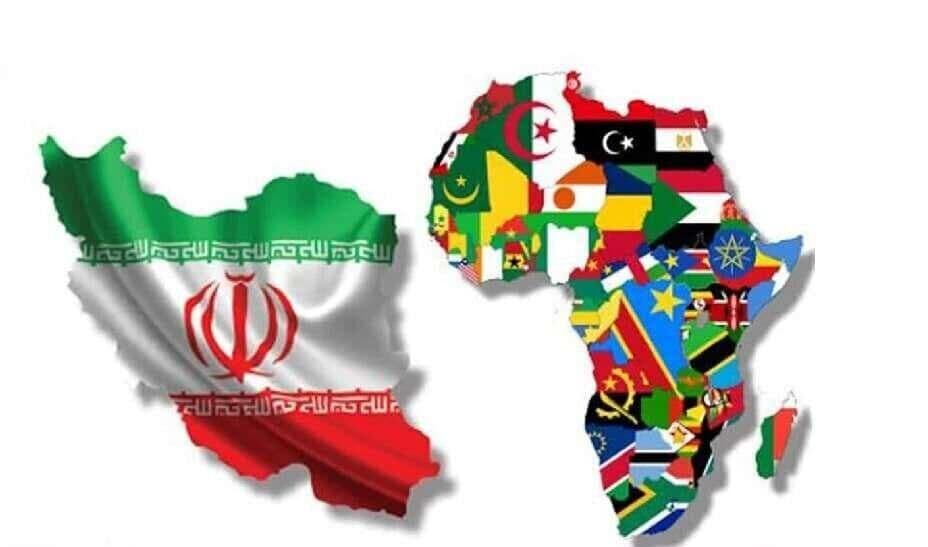
For decades, Iranian exporters have looked mainly to neighboring countries and Europe. But as sanctions tighten, new markets open, and Africa’s economy grows faster than almost any other continent, a quiet shift is happening: South Africa is rapidly becoming the most strategic springboard for Iranian goods entering the African market.
With its world-class ports, strong banking links, sophisticated logistics networks, and membership in BRICS and AfCFTA, South Africa offers Iranian companies something rare: a sanction-resistant, English-speaking, financially stable gateway to 1.4 billion consumers.
The Big Picture: Africa’s Boom Meets Iran’s Export Needs
Africa’s Growth Story in 2025
- GDP of Sub-Saharan Africa is projected to grow 4.1–4.8 % annually until 2030 (IMF & AfDB).
- The African Continental Free Trade Area (AfCFTA) is now operational in 54 of 55 countries.
- Intra-African trade is expected to rise 52 % by 2032.
Iran’s Export Pivot
- Non-oil exports reached $52 billion in 2024 (Iran Customs Administration).
- Traditional markets (Iraq, UAE, Turkey, China) are saturated or under pressure.
- Africa currently takes only ~6 % of Iranian exports but grew 31 % YoY in 2024.
South Africa sits at the perfect intersection of these two trends.
Why South Africa Beats Every Other African Entry Point
1. World-Class Infrastructure & Logistics
||South Africa|Egypt|Nigeria|Kenya|Morocco| |Port efficiency (LPI 2023)|3.8/5|3.1|2.6|3.3|3.5| |Days to clear customs|4–7|12–25|15–40|8–14|6–10| |Rail & road to landlocked countries|Excellent|Limited|Poor|Moderate|Good|
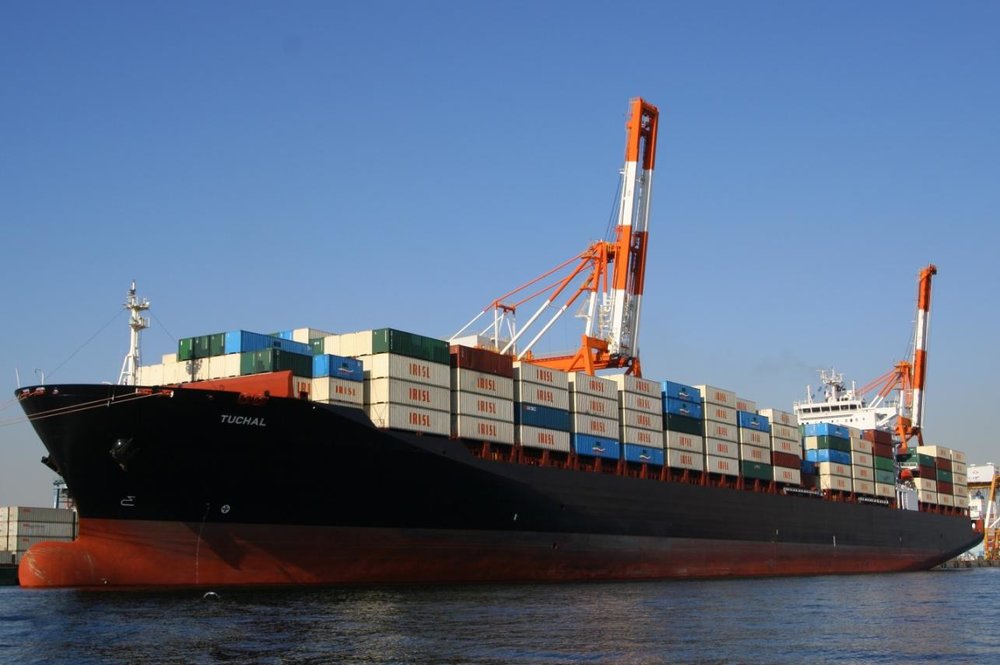
Durban is the busiest port in Africa and handles 65 % of South Africa’s container traffic. Cape Town and Port Elizabeth follow. All three have direct reefer, break-bulk, and Ro-Ro capacity—perfect for Iranian pistachios, petrochemicals, steel, and cars.
2. Financial & Banking Bridges That Actually Work
Despite U.S. sanctions, several channels remain open:
- South African banks (Standard Bank, Absa, Nedbank) still maintain correspondent relationships with select Iranian banks via Turkey, India, and China.
- Rand-Rial barter and offset deals are increasingly common (especially in minerals-for-food deals).
- South Africa is not part of FATF black/grey list actions targeting Iran, making trade finance smoother than in Dubai or Istanbul for African onward trade.
3. BRICS Membership = Political Cover
Both Iran and South Africa are full BRICS members since 2024. This gives diplomatic protection and access to the New Development Bank (NDB) and Contingent Reserve Arrangement—tools that can be used creatively for trade finance.
4. AfCFTA Hub Status
South Africa is one of the eight official AfCFTA “hub” countries. Goods that clear customs in South Africa can move duty-free or low-duty to 44 other African states under Rules of Origin that are surprisingly friendly to Iranian-origin products when routed correctly.
Top 12 Iranian Export Categories Already Winning in South Africa & Beyond
| Rank | Product | 2024 Export to SA (USD) | CAGR 2021–2024 | Main onward markets |
|---|---|---|---|---|
| 1 | Pistachios & dried fruits | $182 m | 38 % | Nigeria, Kenya, Ghana |
| 2 | Petrochemicals & polymers | $410 m | 29 % | Zambia, Zimbabwe, Mozambique |
| 3 | Steel products (rebar, coils) | $276 m | 41 % | Botswana, Namibia |
| 4 | Bitumen | $91 m | 52 % | Tanzania, DRC |
| 5 | Cement & clinker | $68 m | 27 % | Mozambique, Madagascar |
| 6 | Cars (Samand, Dena, Tara) | $54 m (CKD) | 110 % | Ghana, Senegal |
| 7 | Carpets & rugs | $41 m | 19 % | Retail chains continent-wide |
| 8 | Dates & saffron | $37 m | 44 % | Premium retail |
| 9 | Pharmaceuticals | $29 m | 33 % | Private hospital groups |
| 10 | Tomato paste & fruit puree | $26 m | 51 % | Supermarkets |
| 11 | Plastic houseware | $22 m | 28 % | Informal trade |
| 12 | Aluminum profiles | $19 m | 36 % | Construction |
Step-by-Step: How to Export from Iran to Africa via South Africa in 2025
Phase 1 – Choose the Right Structure
- Set up a South African (Pty) Ltd owned 51–100 % by Iranians (no problem under SA law).
- Or partner with a local black-owned company (B-BBEE Level 1–4) for incentives and smoother customs.
- Open a South African bank account (FNB and Standard Bank are most experienced with Iranian clients).
Phase 2 – Documentation That Actually Works
- Commercial invoice & packing list in English
- Certificate of Origin issued by Iran Chamber of Commerce (ICCIM)
- For AfCFTA onward trade: Form “Certificate of Origin – AfCFTA” issued in South Africa after goods land
- Phytosanitary (fruits/nuts) and SGS pre-shipment inspection when required
Phase 3 – Shipping Routes That Save Money
Direct Iran–Durban (Bandar Abbas → Durban):
- 22–26 days, $2,800–$3,500 per 40ft container (2025 rates)
- Operators: IRISL (Islamic Republic of Iran Shipping Lines), PIL, Maersk (neutral flag transshipment in Salalah or Jebel Ali)
Phase 4 – Clearing & Onward Distribution
- Use clearing agents in Durban who understand Iranian documentation (e.g., Bidvest Panalpina, Manica, Megafreight).
- Bonded warehouse in City Deep (Johannesburg) or Durban to defer duties while re-exporting under AfCFTA.
Real Success Stories (2023–2025)
- Kerman Pistachio Cooperatives → now supply 42 % of South Africa’s wholesale pistachio market and re-export to 9 African countries.
- Khodro Industrial Group → assembles 1,200 Iranian cars per year in Durban plant for Ghana and Senegal.
- Behshahr Industrial Group (oil & fats) → built a blending plant in Johannesburg; turnover $78 m in 2024.
Risks & How to Manage Them
| Risk | Likelihood | Mitigation |
|---|---|---|
| Secondary sanctions on SA banks | Low–Medium | Use trade-finance instruments via BRICS NDB or Turkish/Indian banks |
| Rand volatility | High | Price in USD and hedge with forward contracts |
| Port congestion in Durban | Medium | Book 45–60 days ahead; consider Port Elizabeth alternative |
| Political change in SA | Low | Diversify to Botswana and Namibia gateways as backup |
The Numbers: What Is Realistic for an Iranian Exporter?
Medium-sized Iranian company ($15–30 m annual turnover): Year 1 via South Africa: $4–8 million African sales Year 3: $18–35 million Break-even on South African entity: 9–14 months
Conclusion
South Africa is no longer just “another market” for Iranian exporters—it has become the single most powerful, sanction-resistant, and profitable gateway to the entire African continent.
Its modern ports, stable banking system, BRICS membership, and central role in AfCFTA give Iranian companies something they cannot easily find elsewhere: a genuine African beachhead that combines First-World efficiency with emerging-market growth rates.
If you are an Iranian manufacturer or trader looking beyond the usual markets, 2025 is the year to establish your South African platform. The infrastructure is ready, the demand is proven, and the competition has not yet caught up.


قیمت های موجود در سایت تاریخ بروزرسانی آن ها ذکر شده و قیمت نهایی محصولات نمی باشند. لطفا جهت ثبت سفارش و استعلام قیمت بروز با کارشناسان ما در ارتباط باشید.
(035-3357)