


Why Europe Is Rethinking Its Tile Supply Chain
In 2025, European construction companies, distributors, and private-label brands are facing an uncomfortable reality: production costs in Europe are rising faster than selling prices. Energy tariffs, labor regulations, carbon taxes, and logistics expenses have reshaped the economics of the tile and ceramic industry, pushing many buyers to reassess long-standing supplier relationships.
According to industry data from 2024–۲۰۲۶, average ceramic tile production costs in Southern Europe have increased by ۲۵–۴۰% compared to pre-pandemic levels. At the same time, demand for affordable yet durable tiles in residential renovation, hospitality, and infrastructure projects has grown sharply—especially in price-sensitive EU markets.
This gap between cost pressure and market demand raises a critical question:
Can European buyers maintain quality standards while reducing procurement costs—without compromising reliability or compliance?
Increasingly, the answer points toward Iran.
Once viewed mainly as a regional supplier to the Middle East and Asia, Iran has quietly evolved into a globally competitive manufacturing hub in the tile and ceramic industry. Thanks to lower production costs, abundant raw materials, modernized factories, and improving quality control systems, Iranian tile and ceramic products now compete directly with European alternatives—often at ۳۰–۵۰% lower landed cost.
This article provides a comprehensive, data-driven analysis of why Iranian tiles and ceramics have become competitive in European markets. You will learn:
- How Iran achieves a lower cost structure without sacrificing acceptable quality
- Where Iranian products stand compared to European competitors
- What European importers should know about standards, logistics, and risk management
- Whether this competitive advantage is sustainable through 2030
By the end, you will have a clear, actionable understanding of Iran’s real position in the global tile and ceramic industry—and whether it fits your sourcing strategy.
Cost Structure Advantage in the Iranian Tile and Ceramic Industry
One of the most decisive factors behind Iran’s growing export appeal is its structural cost advantage. Unlike temporary pricing tactics or currency-driven discounts, Iran’s lower costs are rooted in fundamentals of the tile and ceramic industry.
Energy Costs: A Critical Competitive Lever
Ceramic tile manufacturing is energy-intensive, particularly during firing stages where kilns operate at temperatures above 1,100°C. In Europe, energy prices have become the single largest cost variable.
Key comparisons (2024–۲۰۲۶ averages):
- Natural gas cost in Iran: ۶۰–۷۵% lower than EU industrial averages
- Electricity tariffs for manufacturers: ۴۰–۵۵% lower
- Energy cost share of total production:
- Europe: 30–۳۸%
- Iran: 15–۱۸%
This difference alone allows Iranian producers to price products aggressively while maintaining stable margins.
Raw Material Accessibility and Localization
Iran benefits from domestically available ceramic-grade raw materials, including:
- Feldspar
- Kaolin
- Silica sand
- Clay and dolomite
Because these inputs are sourced locally:
- Import dependency is minimal
- Transportation costs are lower
- Price volatility is reduced
In contrast, many European producers rely on imported raw materials, exposing them to currency and logistics risks.
Labor Economics Without Skill Compromise
Labor costs in the Iranian tile and ceramic industry are significantly lower than in Western Europe, yet this does not equate to low skill levels.
Key factors:
- Strong vocational training tradition
- Decades of industrial ceramic experience
- High labor productivity in mass-production lines
On average, direct labor costs per square meter of tile in Iran are ۶۵–۷۰% lower than in countries such as Italy or Spain, while maintaining consistent output quality for standard and mid-range products.
Economies of Scale and Factory Clustering
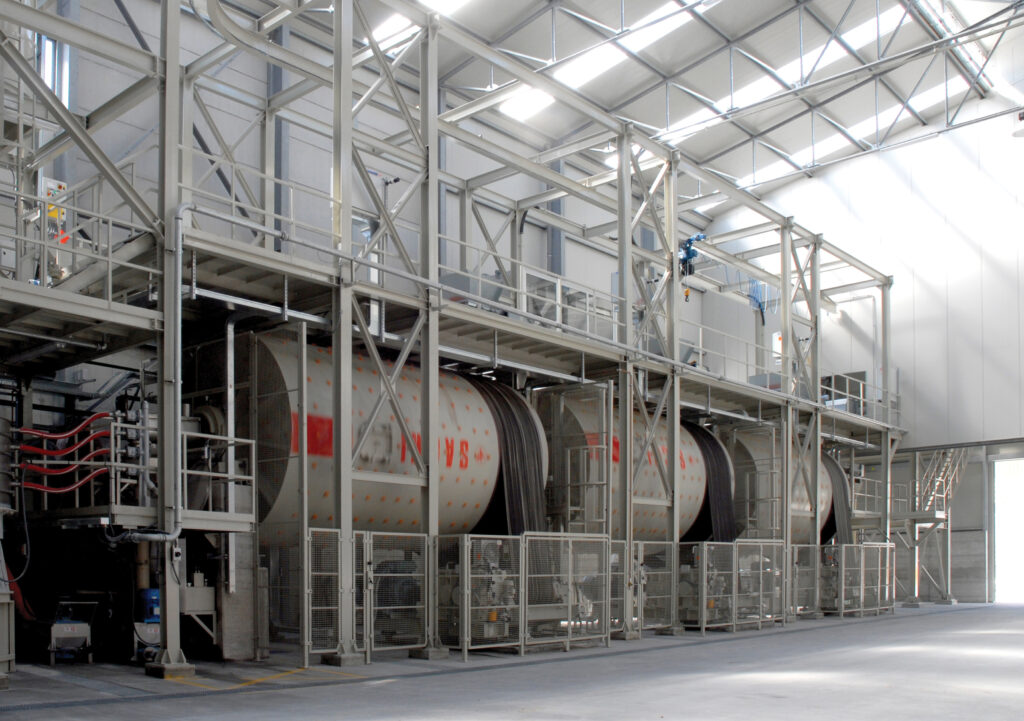
Iran has developed industrial clusters specializing in tile and ceramics, particularly in central regions. These clusters create:
- Shared logistics infrastructure
- Specialized machinery suppliers
- Localized maintenance expertise
- Faster production cycles
The result is lower overhead per unit, a key advantage in high-volume export contracts.
Quality Evolution: From Regional Supplier to European-Ready Producer
A persistent misconception is that lower cost implies lower quality. In the modern tile and ceramic industry, this assumption no longer holds—particularly in Iran’s case.
Technology Transfer and Equipment Modernization
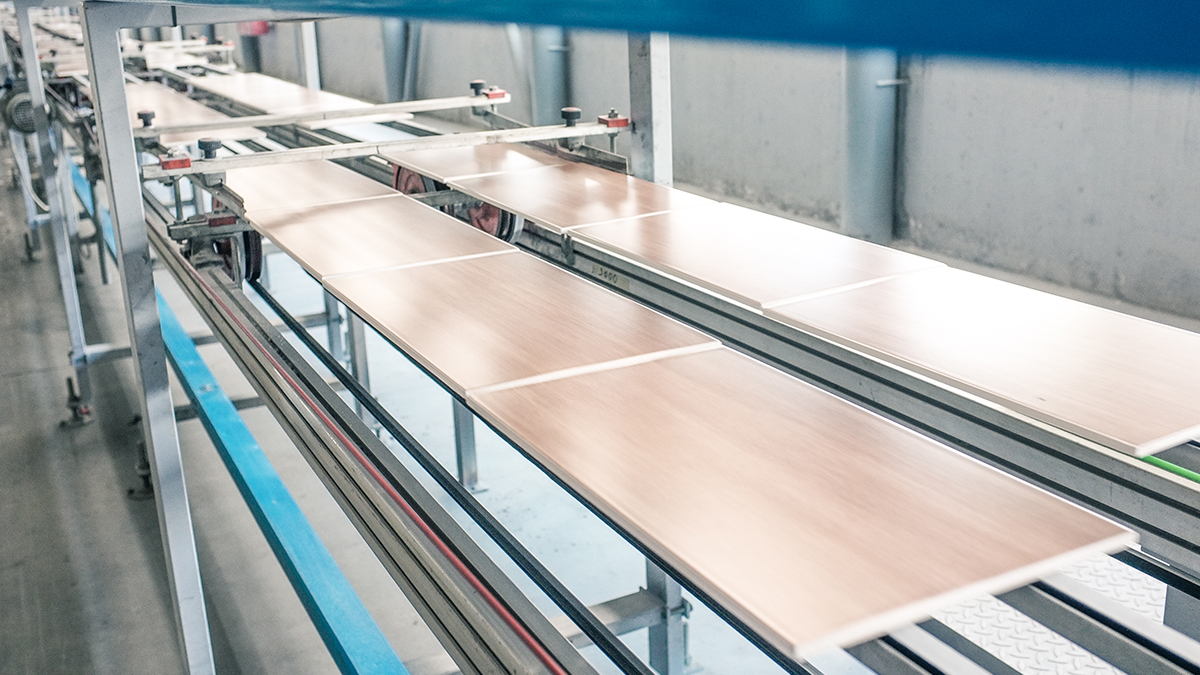
Over the last decade, many Iranian manufacturers have invested heavily in:
- Italian and Spanish production lines
- Digital inkjet printing technology
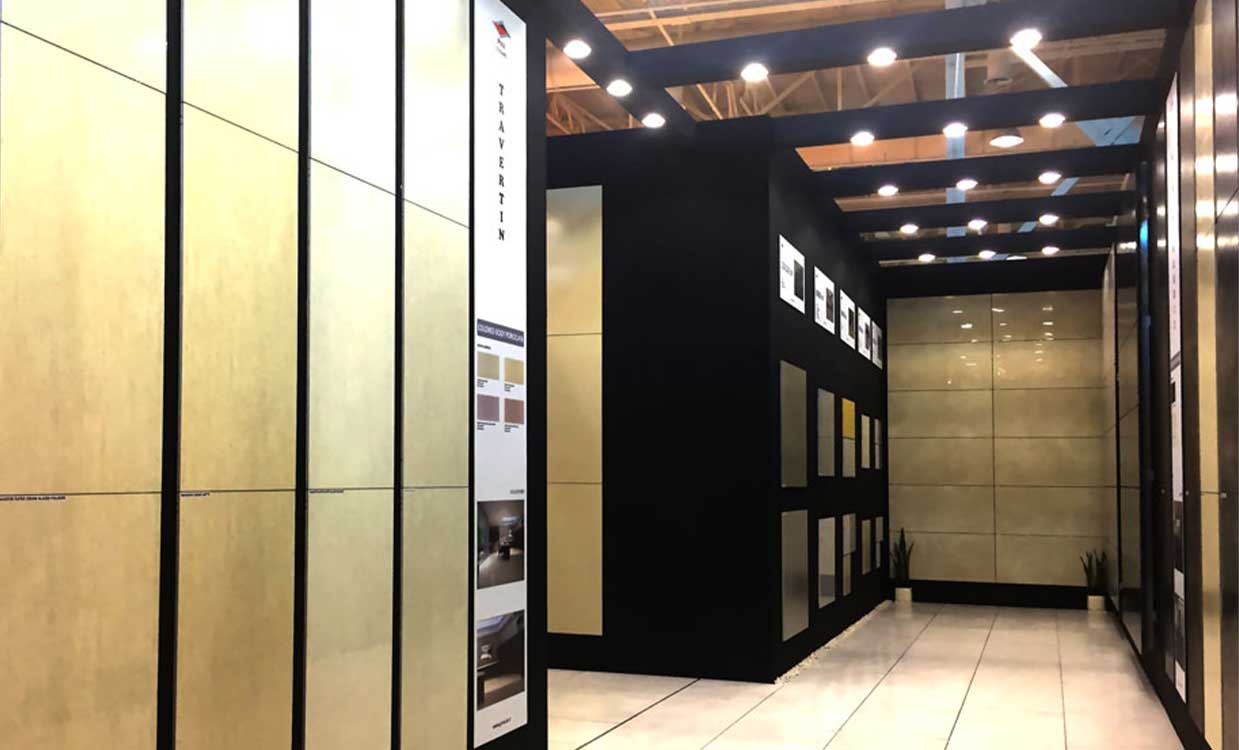
- Large-format slab machinery
- Advanced glazing and rectification systems
These upgrades allow Iranian factories to produce:
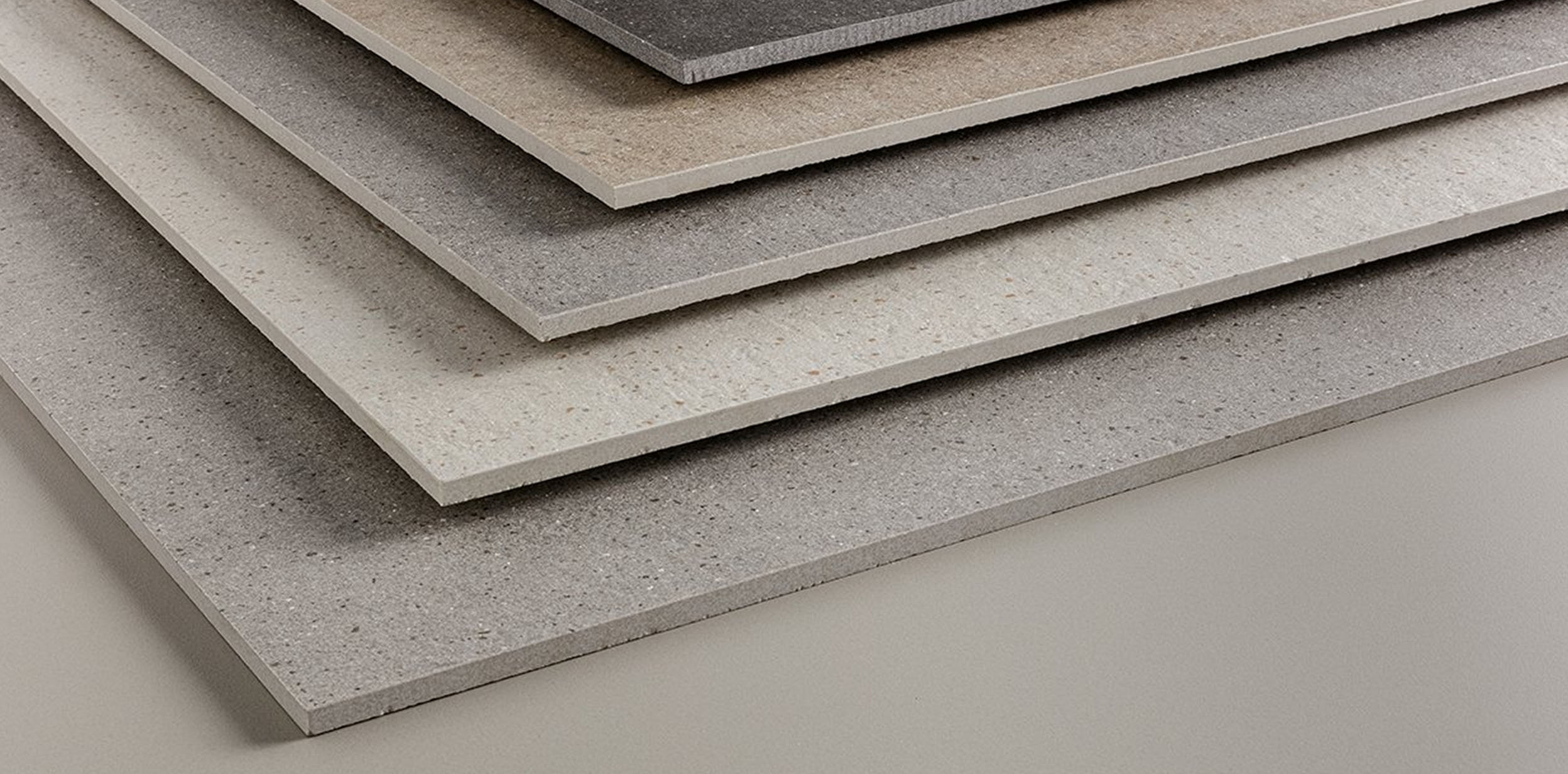
- Rectified porcelain tiles
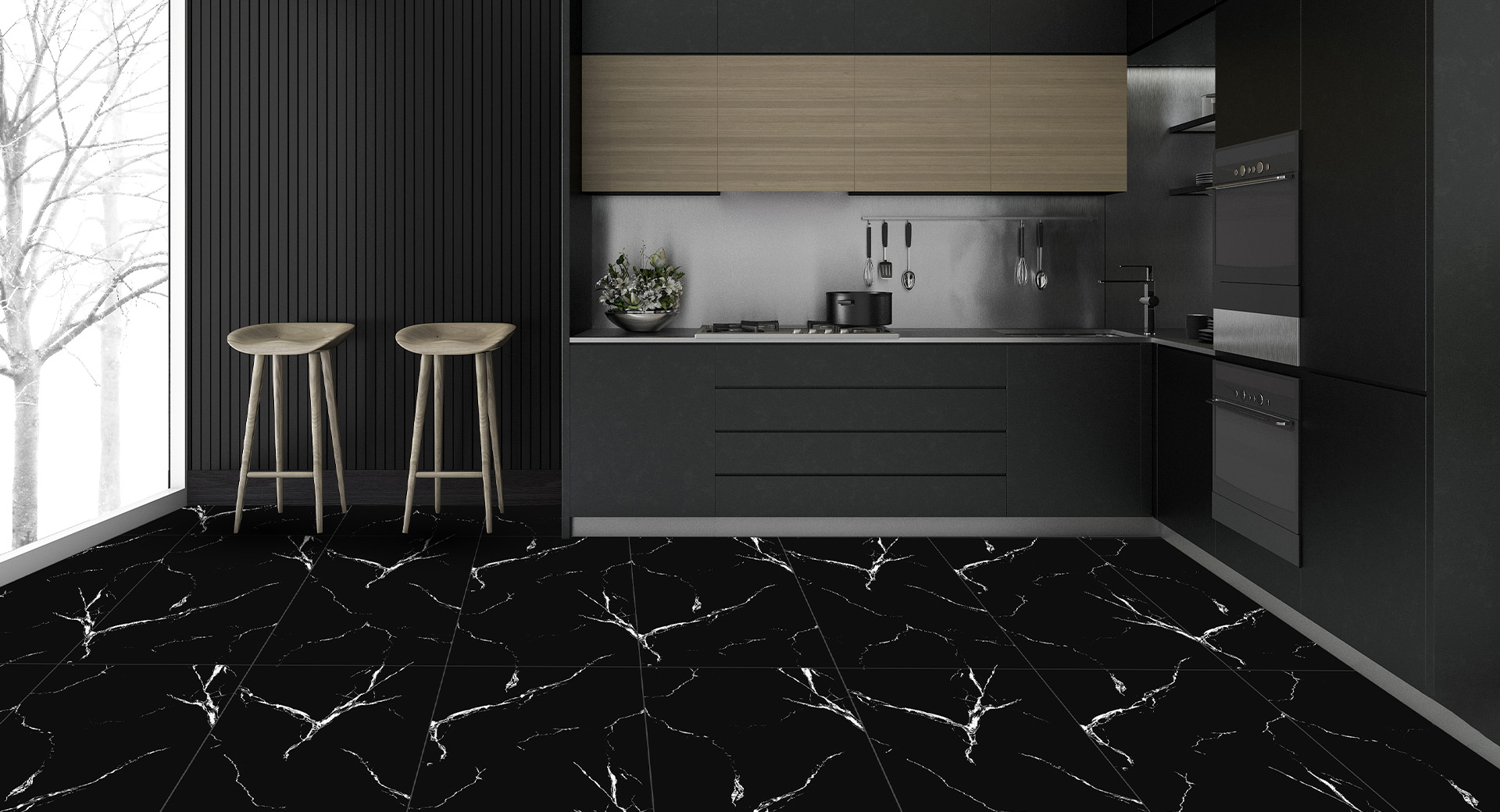
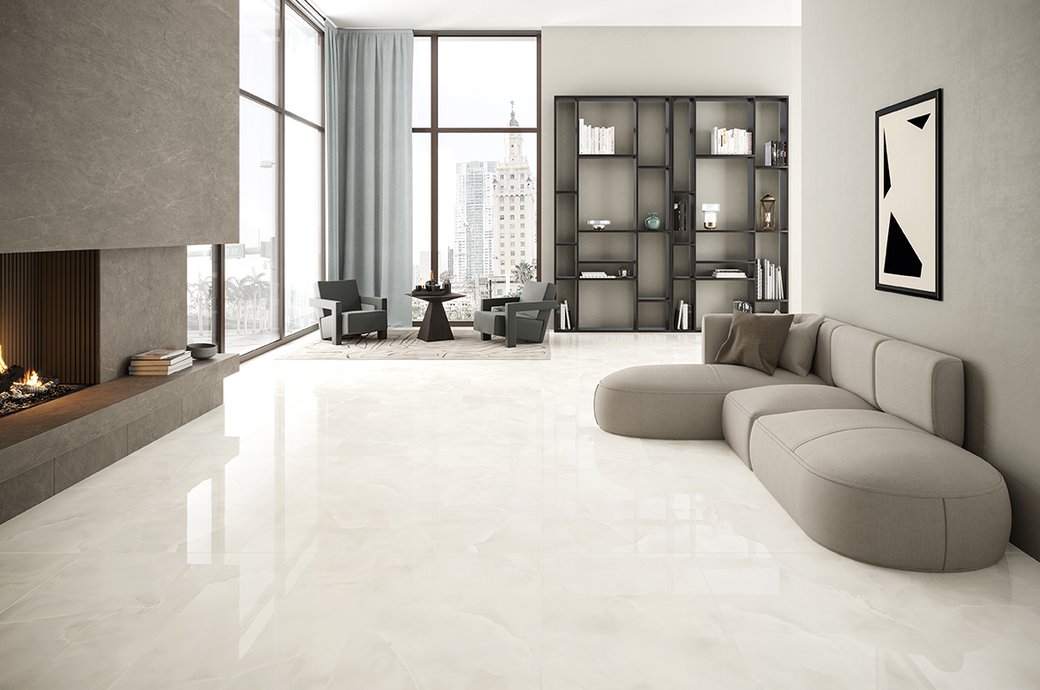
- Polished and matt finishes
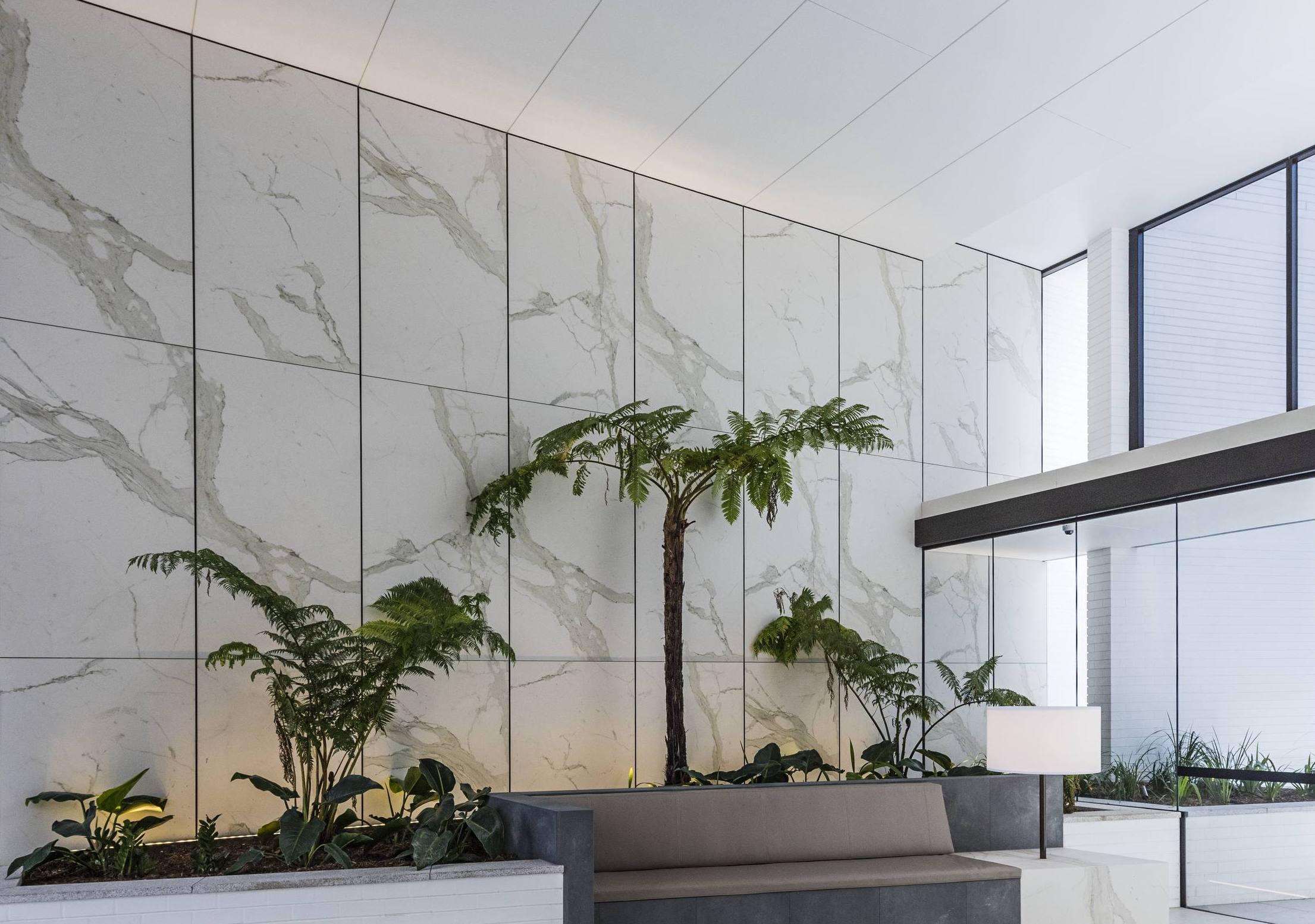
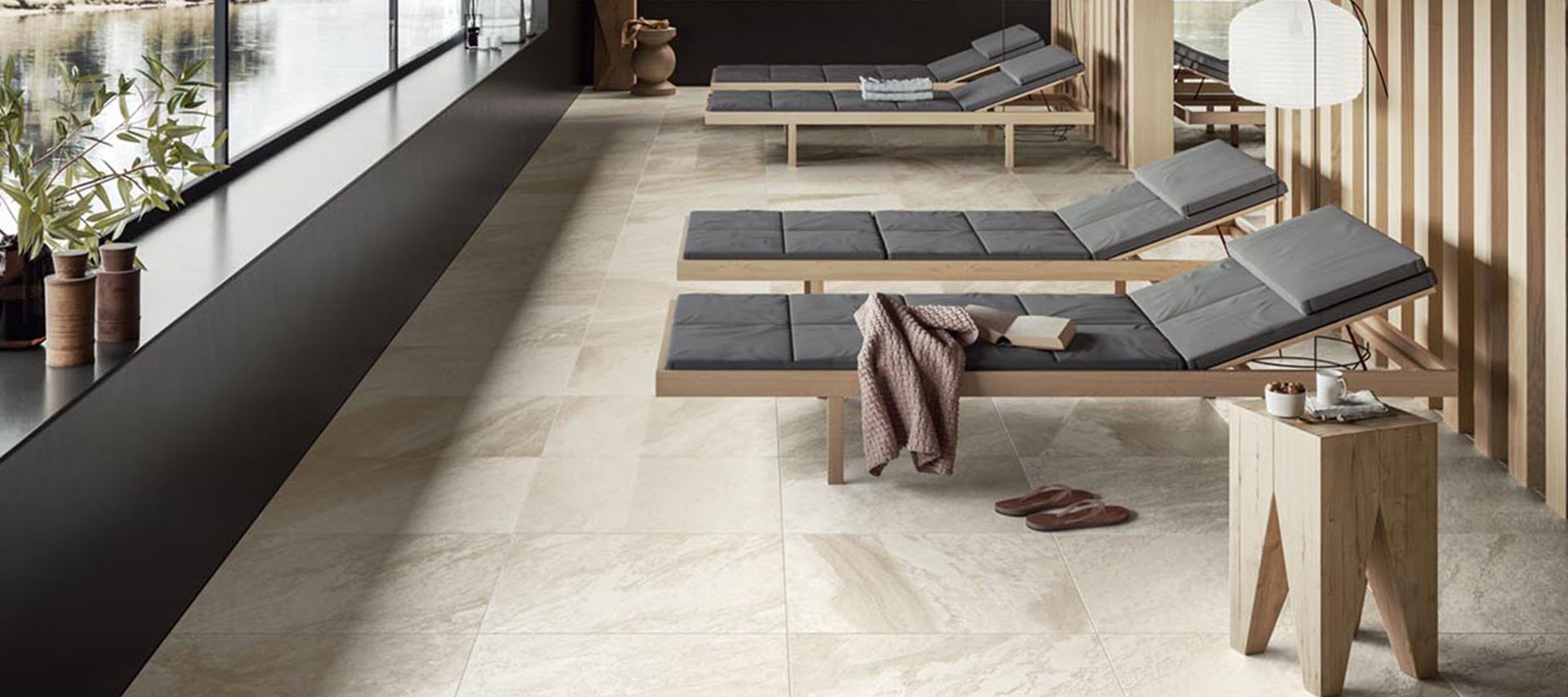
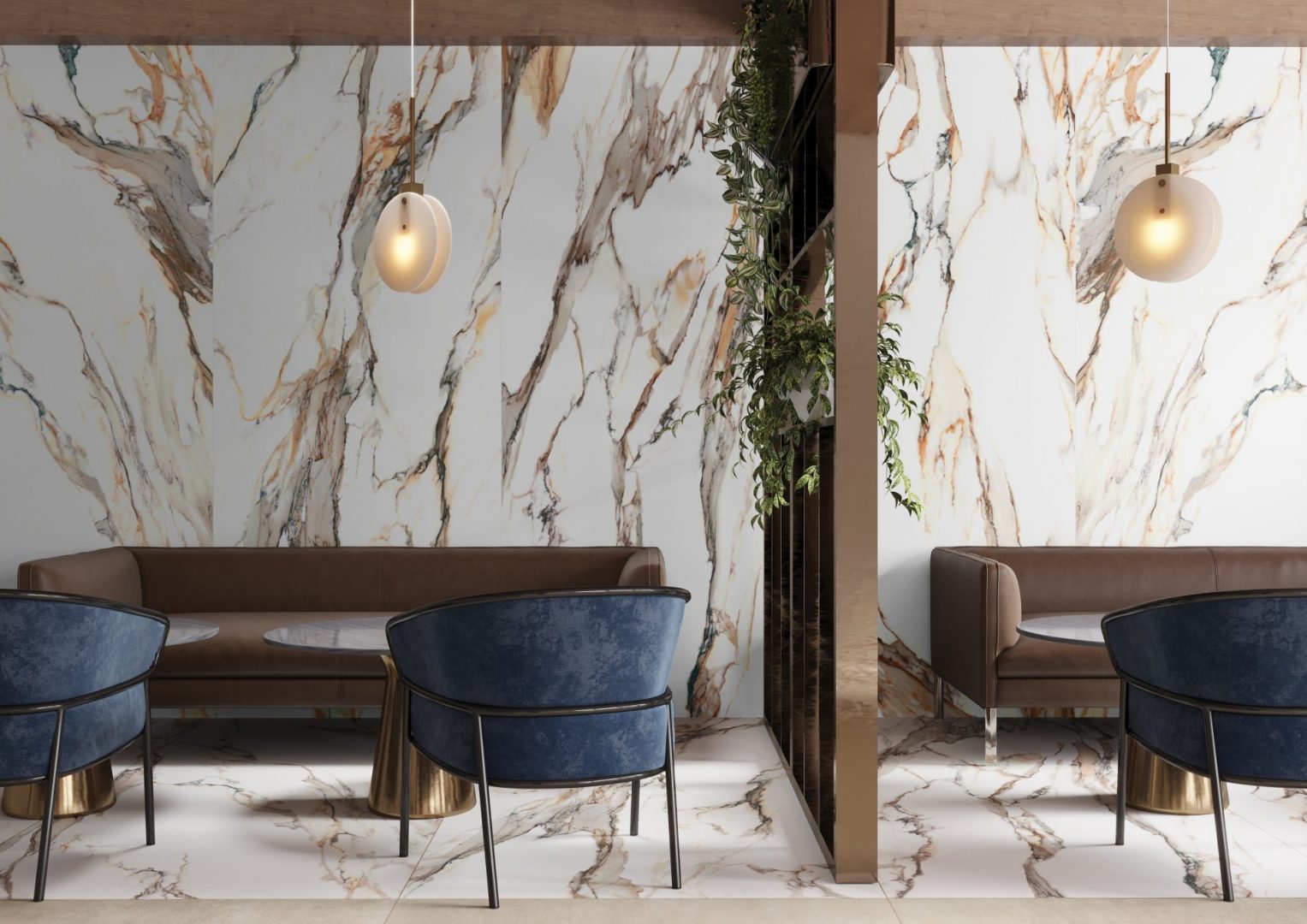
- Wood-look and stone-look designs
- Large formats up to 120×۲۴۰ cm
While ultra-luxury segments remain dominated by premium European brands, mid-range and commercial-grade products from Iran now meet most European project requirements.
Quality Control Systems and Certifications
To access European markets, Iranian exporters have aligned with international standards:
- ISO 9001 quality management
- ISO 13006 ceramic tile classification
- CE conformity for applicable products
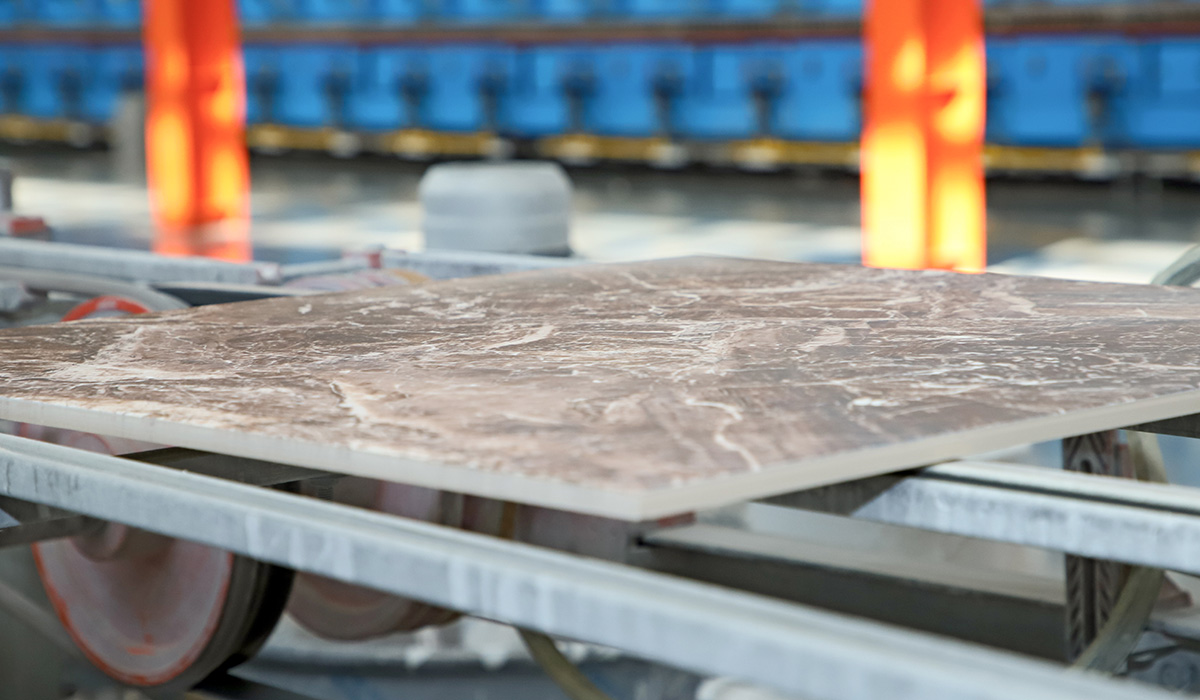
Leading manufacturers implement batch testing, water absorption control, breaking strength verification, and dimensional consistency checks.
People Also Ask:
Are Iranian tiles suitable for commercial use in Europe?
Yes. Many Iranian porcelain tiles meet PEI III–IV, frost resistance, and low water absorption requirements suitable for hotels, offices, and retail spaces.
Design Adaptation for European Taste
Another key evolution in the Iranian tile and ceramic industry is design localization. Export-oriented factories now employ:
- European trend analysis
- Custom color palettes for EU markets
- Neutral, minimalist patterns favored in Northern Europe
This shift has significantly improved acceptance among European distributors and private-label buyers.
Price vs. Performance: Iran Compared with European Competitors
Understanding competitiveness requires looking beyond price alone. The true measure lies in price-to-performance ratio.
Average FOB Price Comparison (2025)
| Origin | Porcelain Tile (€/m²) | Ceramic Wall Tile (€/m²) |
|---|---|---|
| Italy | ۱۴–۲۲ | ۱۰–۱۶ |
| Spain | ۱۲–۱۸ | ۹–۱۴ |
| Iran | ۶–۹ | ۴.۵–۷ |
Even after accounting for logistics and insurance, Iranian products often land in Europe at ۳۰–۴۵% lower cost.
Performance Metrics Comparison
- Dimensional accuracy: Comparable in standard formats
- Water absorption: Within ISO limits
- Surface durability: Adequate for residential and commercial use
- Design depth: Strong in mainstream styles
Where Europe still leads is in ultra-premium branding, niche textures, and architectural prestige projects. However, for volume-driven segments, Iran offers a compelling balance.
Logistics, Market Access, and Risk Considerations
No analysis of the tile and ceramic industry is complete without addressing logistics and operational risk.
Export Routes to Europe
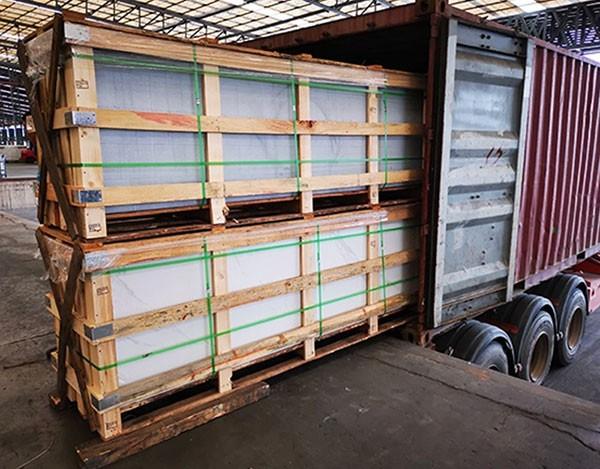
Iranian tiles reach Europe primarily via:
- Sea freight through Persian Gulf ports
- Transit via Turkey
- Multimodal routes to Eastern and Southern Europe
Typical lead times range from ۱۸ to 28 days, competitive with Asian suppliers.
Sanctions, Payments, and Compliance
European buyers often ask:
People Also Ask:
Is it risky to import tiles from Iran?
Key points:
- Many ceramic products are non-sanctioned goods
- Payments are commonly handled via third-country banking solutions
- Experienced exporters manage documentation and compliance
Working with established suppliers and trade consultants significantly reduces risk exposure.
Sustainability and the Future of Iran’s Competitive Advantage
Sustainability is becoming central to the tile and ceramic industry worldwide.
Environmental Considerations
While Europe leads in carbon neutrality initiatives, Iranian producers are beginning to:
- Optimize kiln efficiency
- Reduce water consumption
- Introduce recyclable packaging
As EU carbon regulations tighten, Iranian exporters focusing on energy efficiency reporting will gain further access.
Outlook 2026–۲۰۳۰
Key trends favoring Iran:
- Continued energy cost gap
- Rising European renovation demand
- Private-label growth among EU distributors
- Increasing acceptance of non-EU origin materials
Risks include currency volatility and regulatory shifts, but the structural cost advantage remains intact.
Conclusion: Why Iranian Tiles Are a Strategic Choice for Europe
The global tile and ceramic industry is undergoing a strategic realignment. Buyers are no longer choosing between cheap and premium, but between value and inefficiency.
Iranian tile and ceramic manufacturers occupy a powerful middle ground:
- Lower production costs driven by energy, labor, and raw materials
- Quality levels suitable for most residential and commercial applications
- Design adaptability aligned with European trends
- Pricing flexibility that protects importer margins
While European producers retain leadership in high-end branding and innovation, Iranian products increasingly dominate price-sensitive, volume-driven segments—from housing projects to hospitality renovations.
Looking ahead to 2030, Iran’s role in the global tile and ceramic industry is likely to expand, especially as European buyers diversify supply chains and seek cost resilience.
If you are a distributor, importer, or project developer exploring competitive sourcing options, now is the time to evaluate Iranian tile and ceramic suppliers strategically. Engage with experienced exporters, request technical samples, and assess total landed cost—not just unit price.
The right partnership can transform cost pressure into a lasting competitive advantage.

نظرات ۰