
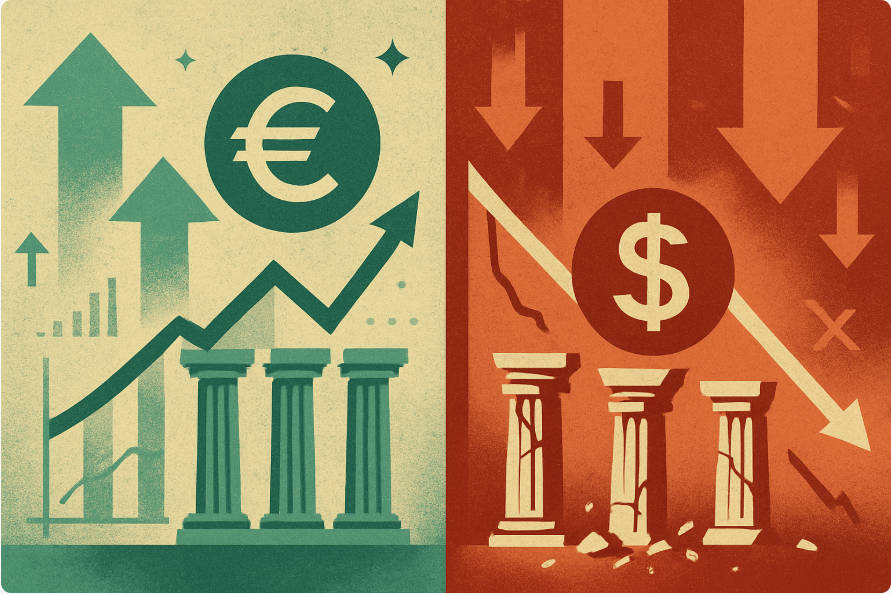

In 2024, the global construction sector faced a pivotal turning point. European procurement managers reported a staggering 40% increase in material sourcing costs, driven primarily by the continent’s ongoing energy volatility. For construction firms and architectural developers, this created a severe pain point: how to maintain premium aesthetic and structural standards without destroying project budgets. The traditional reliance on domestic European manufacturing is no longer the only, or even the most logical, path forward.
Enter a paradigm shift. The tile and ceramic industry in Iran has emerged as a formidable, highly competitive alternative. By leveraging abundant natural resources, optimized manufacturing processes, and strategic geographic positioning, Iranian manufacturers are delivering products that directly challenge established European brands.
This comprehensive guide explores the mechanics behind this market disruption. We will analyze the precise factors driving lower ceramic production costs in Iran, debunk persistent myths regarding quality, and provide actionable insights for international buyers. By the end of this article, you will understand exactly why high-quality Iranian tiles are capturing significant market share in the European tile market, and how you can leverage this advantage for your next project.
The Global Shift: Why Europe is Looking East for Ceramic Solutions
The dynamics of global construction material sourcing are undergoing a radical transformation. Historically, European buyers prioritized local suppliers to ensure quality control and minimize logistical friction. However, the macroeconomic landscape of 2024–۲۰۲۵ has rendered this strategy increasingly unsustainable for mid-to-large-scale projects.
The Energy Crisis and European Manufacturing Constraints
The core of the European manufacturing challenge lies in energy dependency. Ceramic production is inherently energy-intensive, requiring sustained high temperatures for kiln operations. Following recent geopolitical shifts, natural gas prices in the European Union have experienced extreme volatility.
- Soaring Operational Costs: European ceramic plants have reported energy cost increases of up to 300% compared to pre-2021 baselines.
- Production Curtailments: Major manufacturers in Italy and Spain have been forced to temporarily halt kiln operations or reduce output to manage expenses.
- Inflationary Pressure: These operational costs are directly passed down to B2B buyers, inflating the final price per square meter of European tiles.
Consequently, European distributors and construction conglomerates are actively seeking cost-effective manufacturing hubs that can guarantee consistent supply without exorbitant price tags.
The Rise of the Tile and Ceramic Industry in the Middle East
Amidst this European contraction, the Middle East has solidified its position as a global production powerhouse. Iran, specifically, possesses a unique combination of geological wealth and industrial maturity. The country ranks among the top ten global producers of ceramic tiles.
Unlike emerging markets that struggle with consistency, Iran’s tile and ceramic industry boasts decades of refined expertise. The sector has transitioned from basic production to advanced, export-oriented manufacturing. This maturity allows Iranian factories to absorb global market shocks better than their European counterparts, offering stable pricing contracts that European suppliers simply cannot match in the current climate.
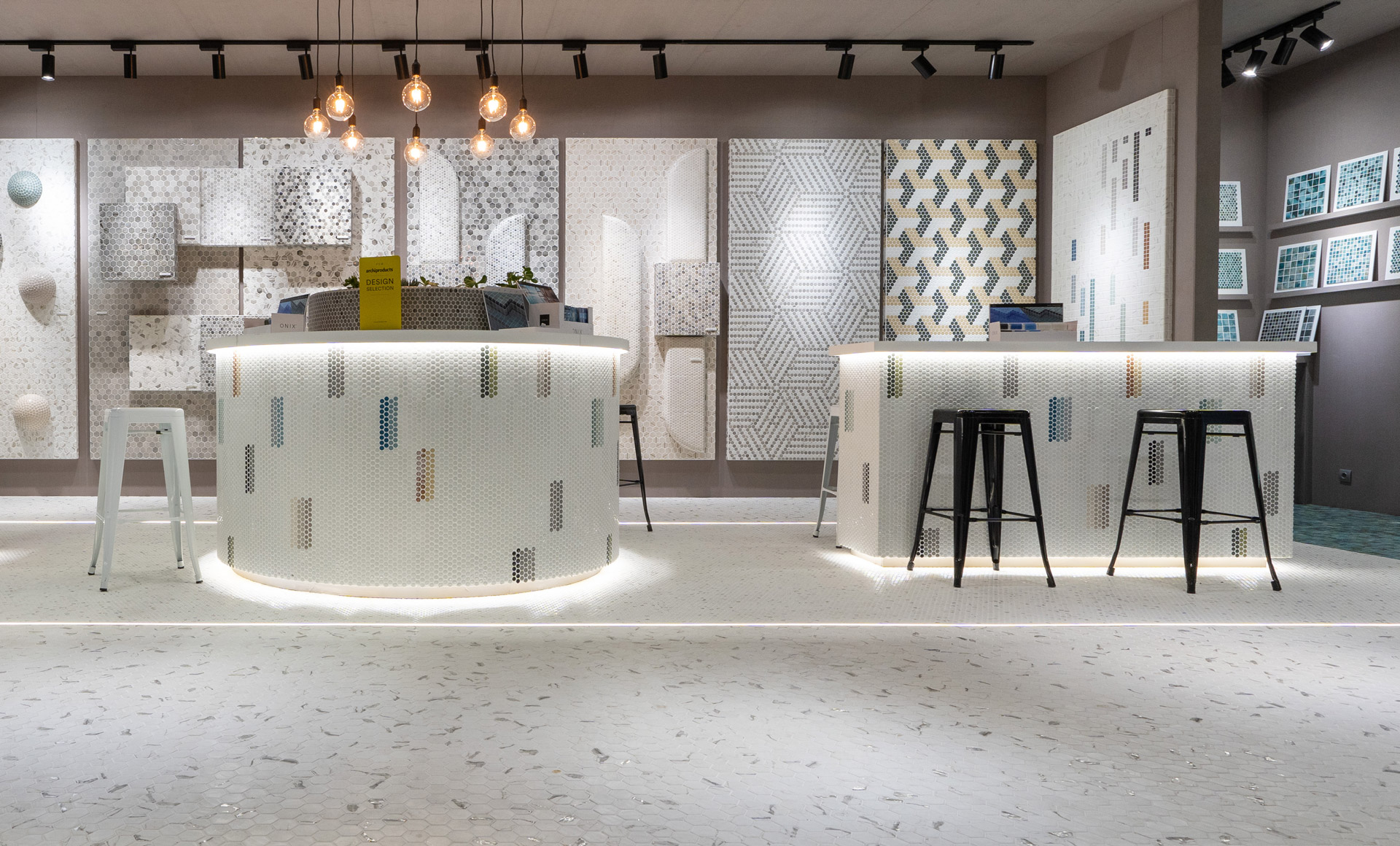
Decoding the Cost Advantage: How Iran Achieves Lower Production Costs
To understand the competitive edge of Iranian ceramics, one must analyze the fundamental components of manufacturing economics. The cost advantage is not a result of cutting corners; rather, it is the product of structural, geographical, and operational efficiencies.
Abundant Raw Materials and Strategic Geography
The foundation of any ceramic product lies in its raw materials: clay, feldspar, kaolin, and quartz. Iran is geologically blessed with some of the world’s richest deposits of these minerals.
- Proximity to Mines: Major ceramic manufacturing hubs in Iran, such as those in Isfahan and Yazd, are located in close proximity to raw material quarries.
- Reduced Transportation Costs: This geographic synergy drastically reduces the inbound logistics costs for raw materials.
- Self-Sufficiency: Unlike some European nations that must import specific mineral blends, Iran is entirely self-sufficient in its primary ceramic inputs. This insulation from global supply chain disruptions ensures stable baseline production costs.
Energy Subsidies and Labor Cost Efficiency
Energy remains the largest variable cost in ceramic production. Iran possesses the world’s second-largest natural gas reserves. The domestic pricing structure for industrial energy provides a significant, structural advantage. While European factories pay premium, market-fluctuating rates for natural gas, Iranian manufacturers benefit from stable, heavily subsidized industrial energy tariffs.
Furthermore, the tile and ceramic industry in Iran benefits from a highly skilled yet cost-competitive labor force. Iran produces thousands of engineering and materials science graduates annually. This ensures that factories are staffed by qualified technicians and quality control experts at a fraction of the labor cost found in Western Europe, without compromising technical proficiency.
Advanced Manufacturing Technologies in Iranian Plants
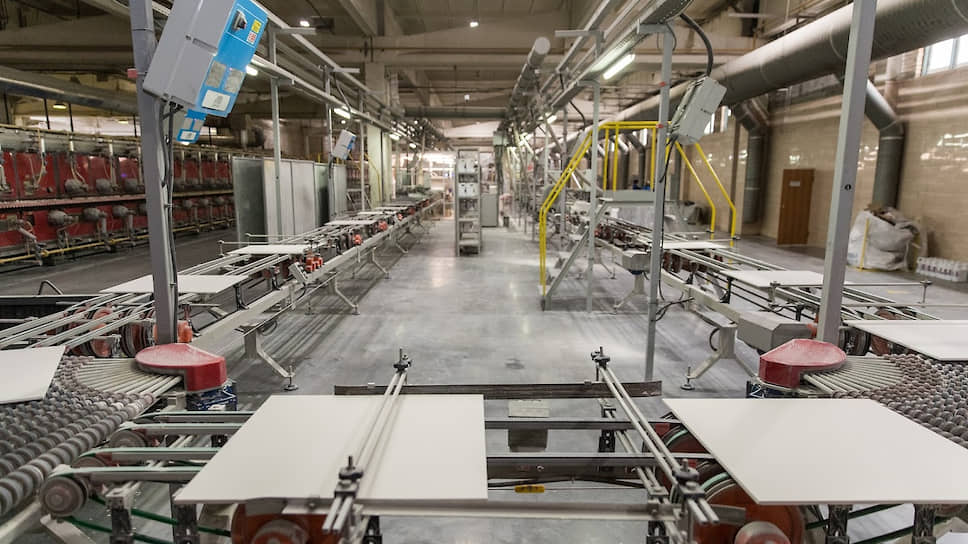
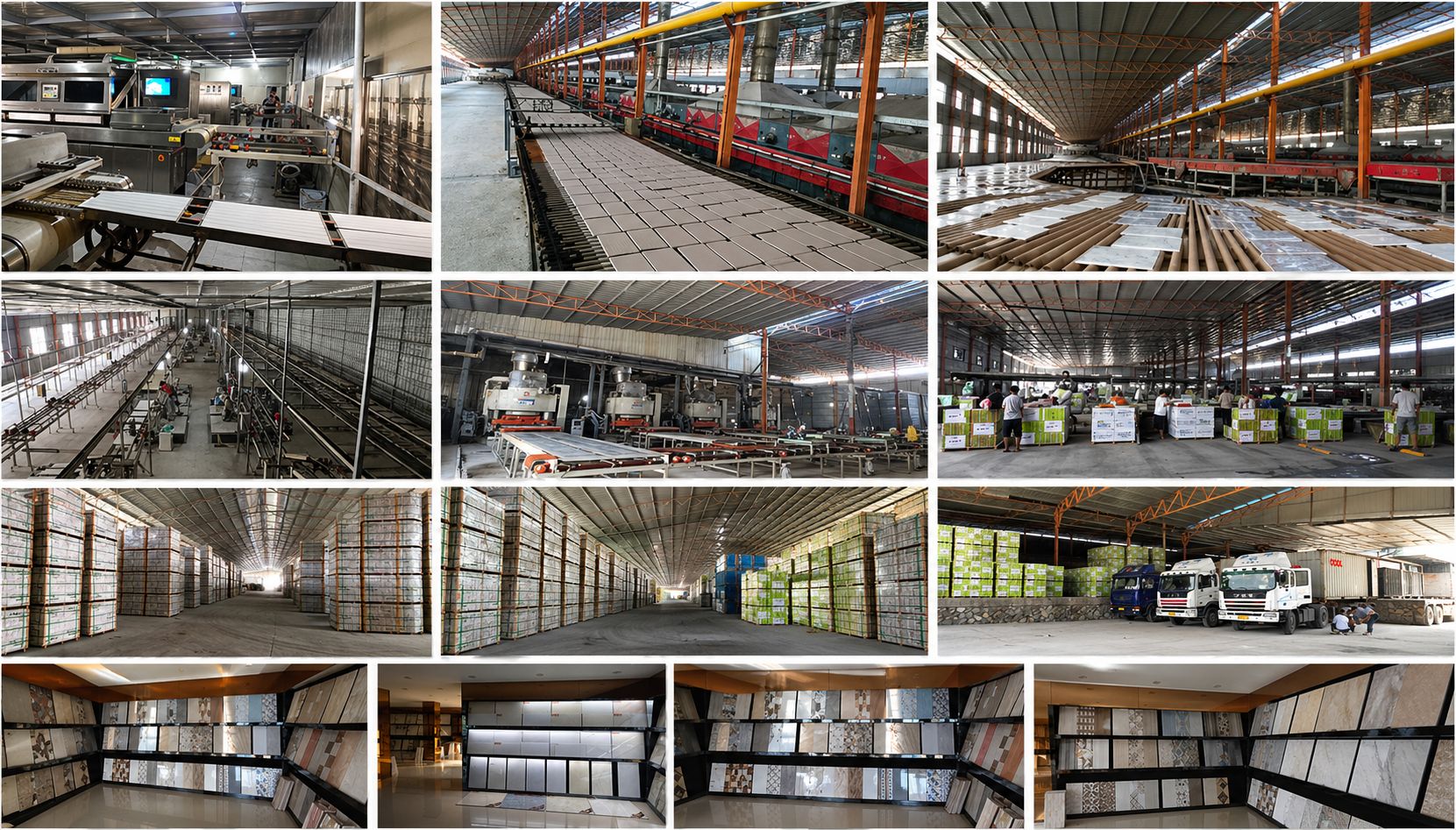
A common misconception is that lower costs equate to outdated technology. This is entirely false regarding Iran’s top-tier manufacturers. Over the past decade, the Iranian tile and ceramic industry has invested billions of dollars in modernizing its infrastructure.
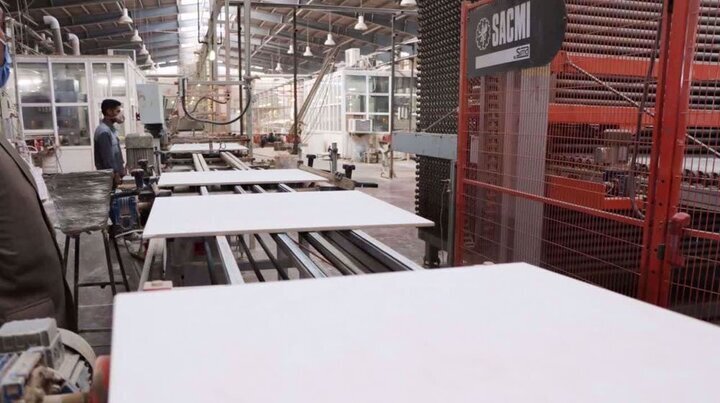
- Italian and Spanish Machinery: Leading Iranian plants utilize state-of-the-art machinery from global leaders like Sacmi, System, and Siti-B&T.
- Digital Printing: The widespread adoption of high-definition digital inkjet printing allows for intricate, realistic designs (such as marble and wood effects) with zero waste.
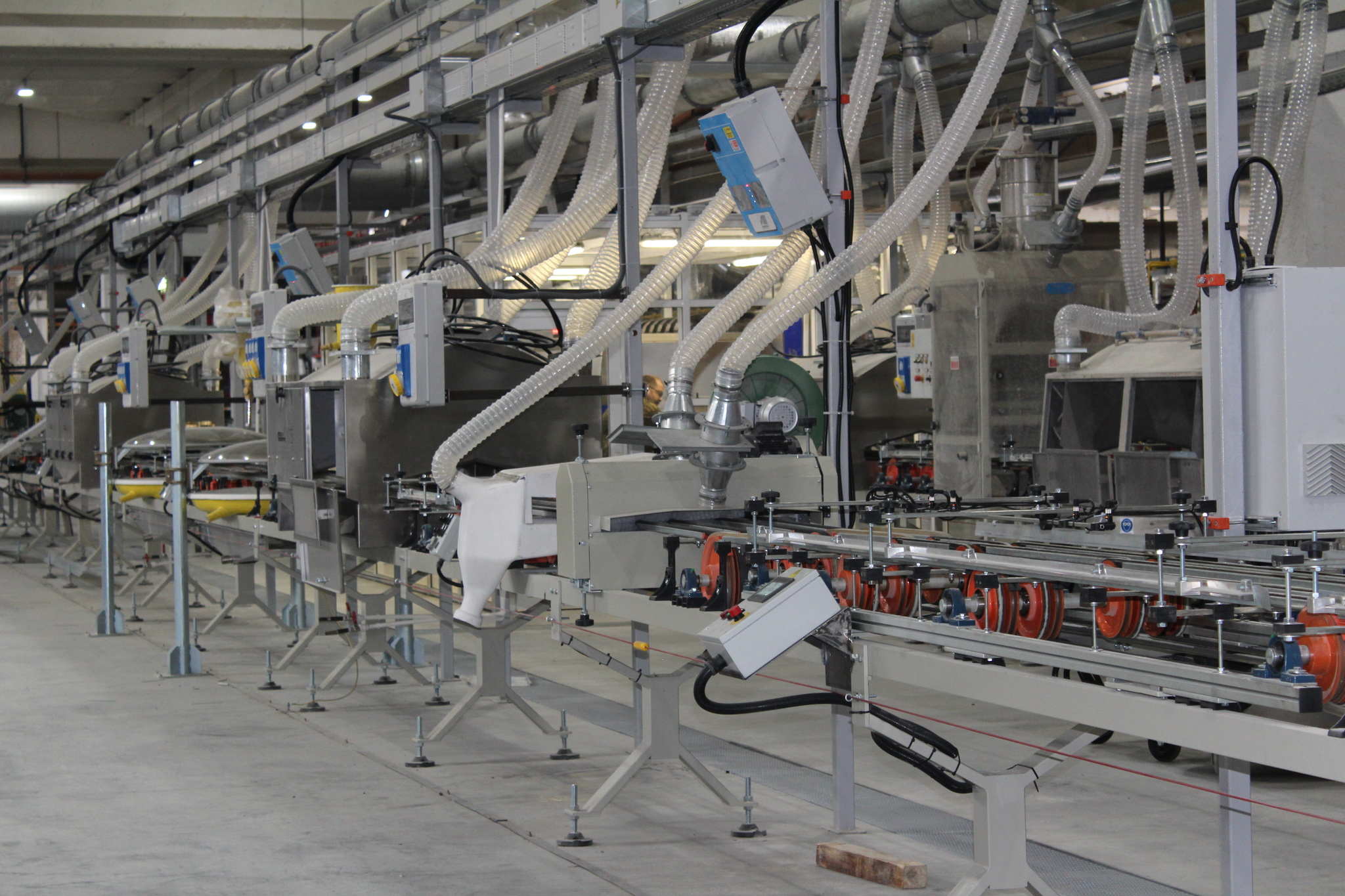
- Automation: Automated sorting and packaging lines reduce human error and increase daily output capacity, driving down the per-unit cost.
Quality Meets Affordability: Debunking the “Cheap Means Low Quality” Myth
Price competitiveness often triggers skepticism regarding durability and finish. However, the data and market reality tell a different story. High-quality Iranian tiles are engineered to meet and often exceed international benchmarks.
International Certifications and Quality Standards
Reputable Iranian manufacturers do not operate in a regulatory vacuum. To access global markets, they adhere to stringent quality control protocols.
- ISO 13006 & EN 14411: These are the definitive international standards for ceramic tiles. Top Iranian brands rigorously test their products for water absorption, breaking strength, and abrasion resistance to comply with these norms.
- CE Marking: Many Iranian export lines are fully CE certified, proving their conformity with European health, safety, and environmental protection standards.
- Green Building Standards: An increasing number of Iranian factories are adopting sustainable practices, reducing water consumption and emissions, aligning with the growing European demand for eco-friendly construction materials.
Design Innovation: Italian-Inspired Aesthetics at a Fraction of the Cost
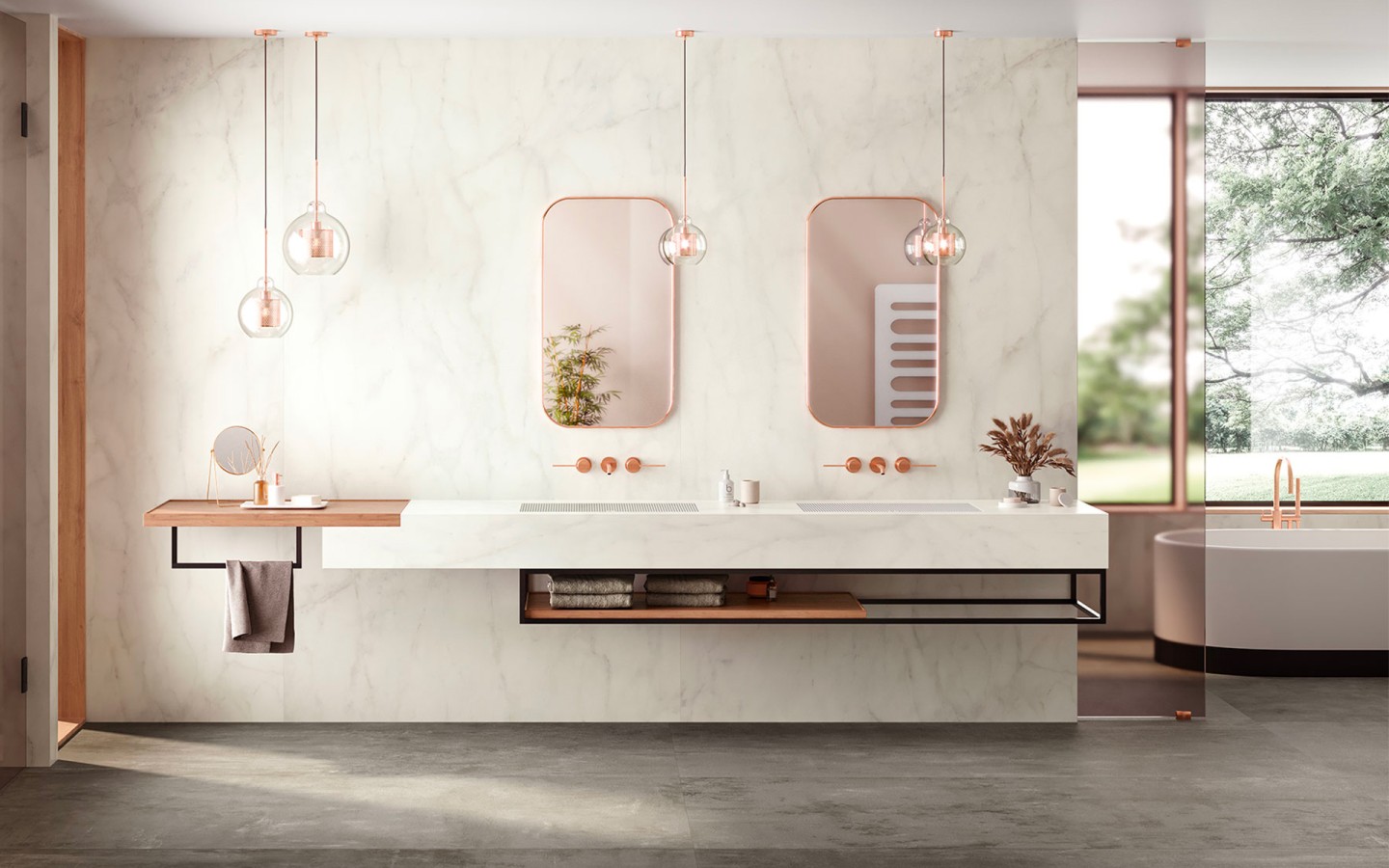
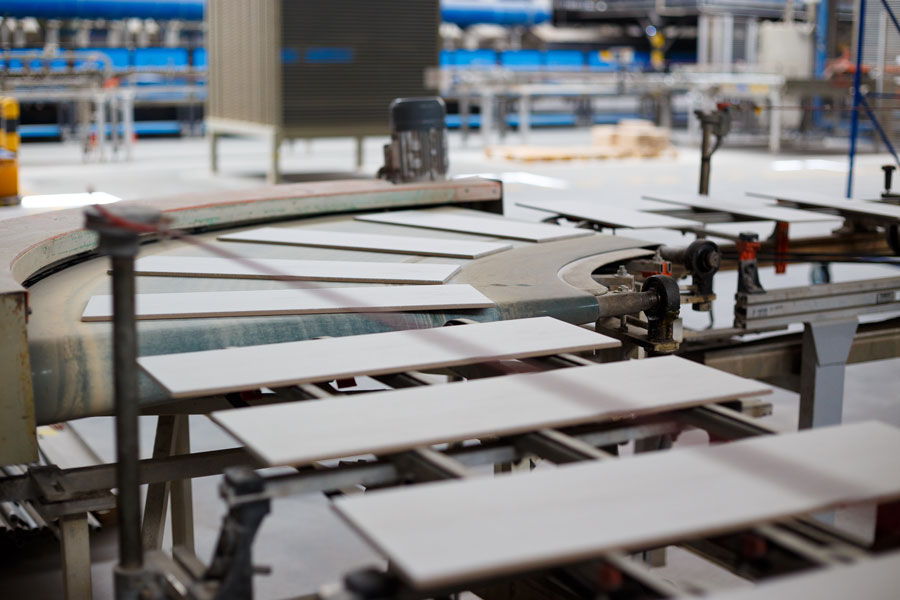
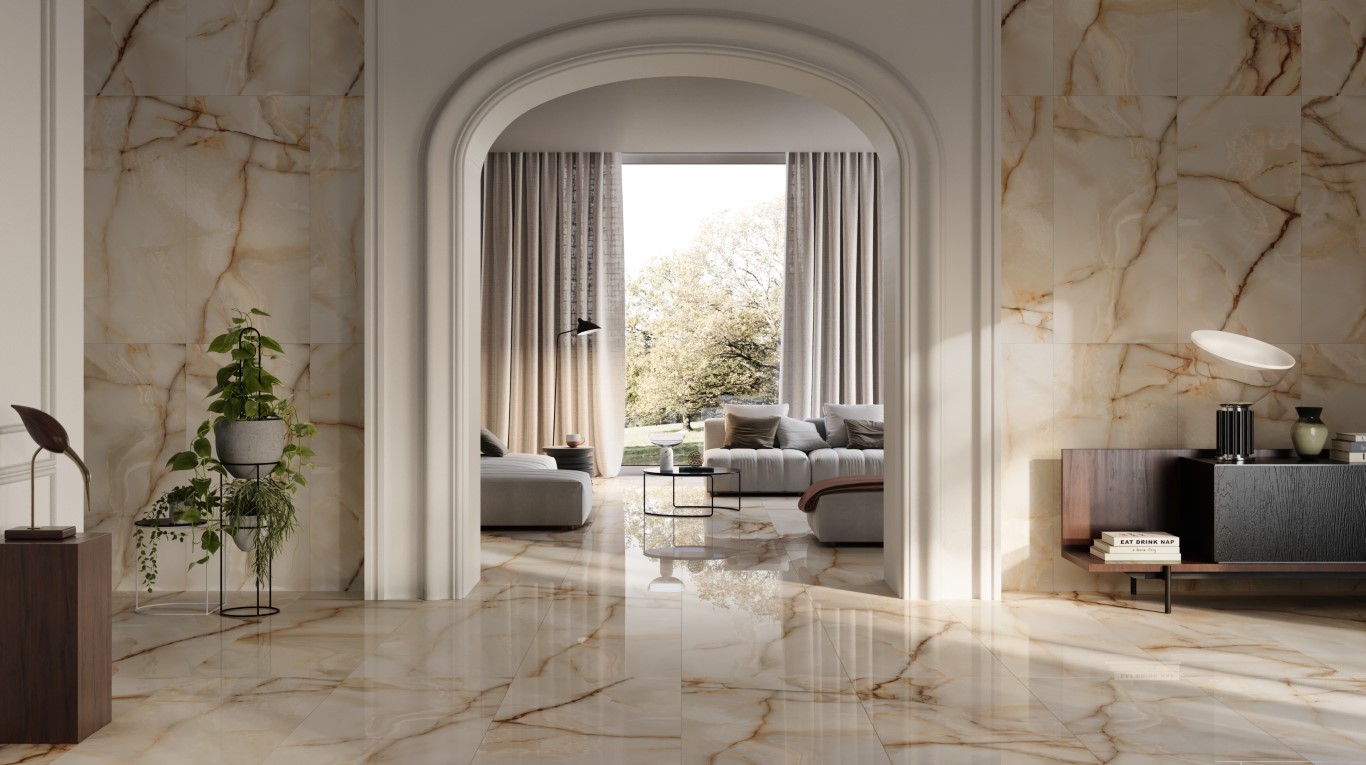
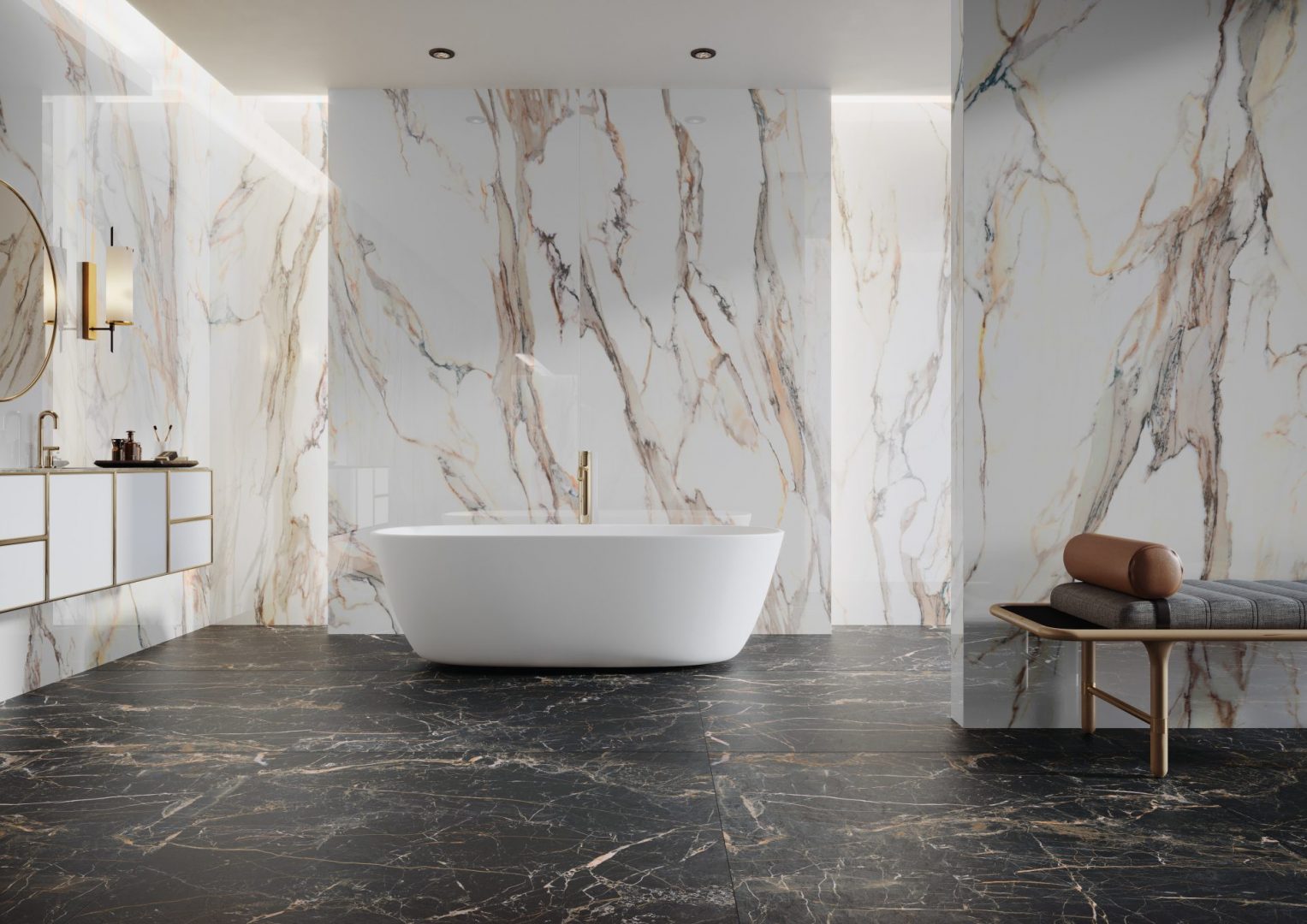
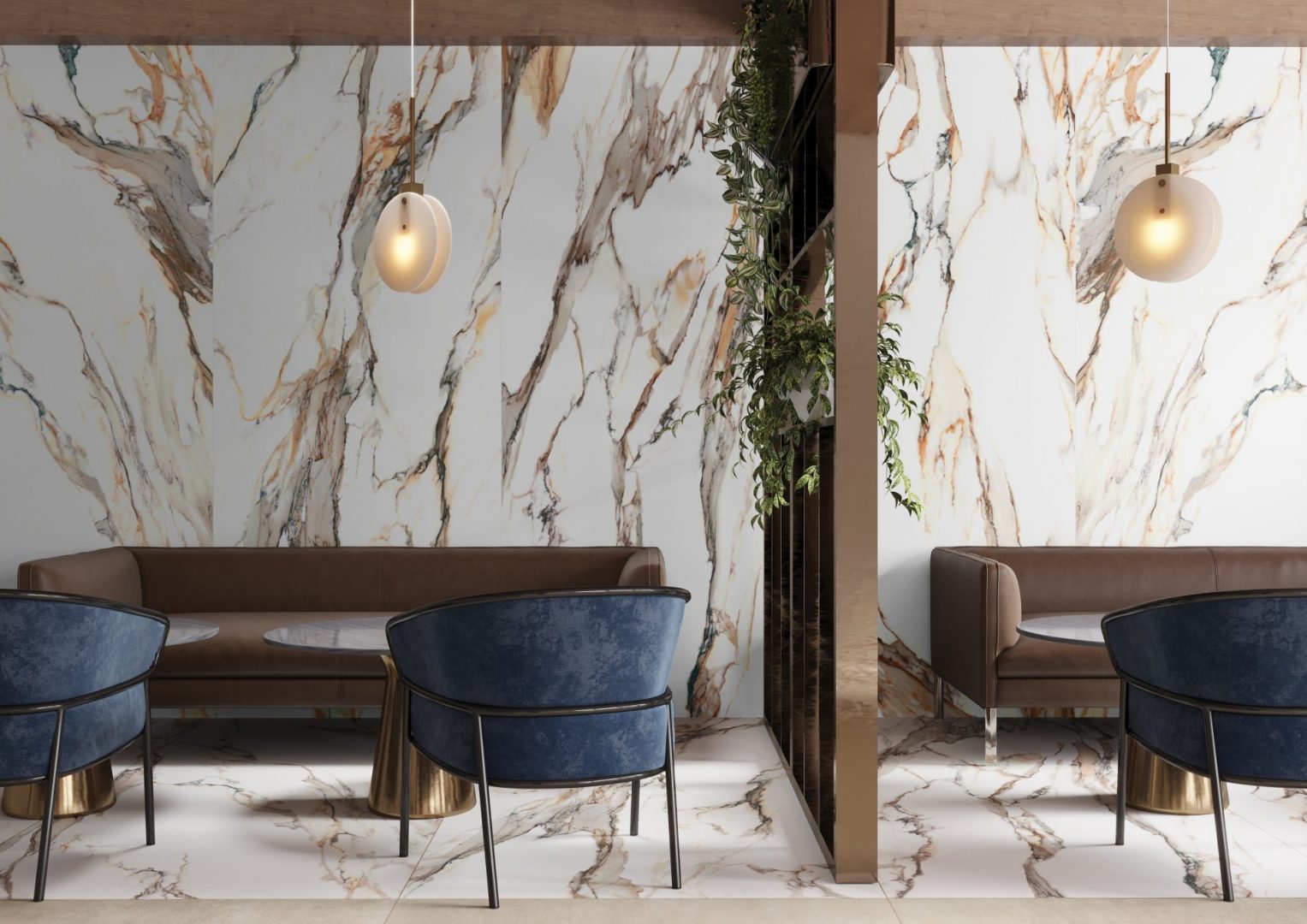
Aesthetics drive purchasing decisions in the architectural sector. Iranian designers and R&D teams have mastered the art of replicating premium European designs. Through advanced digital glazing technologies, Iranian factories produce large-format slabs (up to 120×240 cm) with hyper-realistic Calacatta marble or rustic wood finishes.
The visual and tactile difference between a premium Iranian porcelain tile and its Italian counterpart is often indistinguishable to the end consumer. Yet, the Iranian product arrives at the distribution center at a 30% to 50% lower price point. This value proposition is irresistible to developers managing tight margins on luxury residential or commercial projects.
Real-World Case Studies: Iranian Tiles in European Projects
Theoretical advantages mean little without practical proof. Consider the recent renovation of a mid-sized boutique hotel chain in Eastern Europe. The project managers initially sourced quotes from local suppliers but faced a 45% budget overrun due to material inflation.
By pivoting to a verified Iranian manufacturer, they secured large-format, rectified porcelain tiles. The shipment arrived via a streamlined rail-road logistics network. The result? The project was completed on time, the aesthetic quality received high praise from interior designers, and the overall material budget was reduced by 38%. This is not an isolated incident; it represents a growing trend across the European tile market.
Navigating the Market: A Buyer’s Guide to Importing Iranian Ceramics
Transitioning to a new supply chain requires strategic planning. While the tile and ceramic industry in Iran offers immense value, international buyers must navigate specific logistical and financial landscapes.
Logistics, Shipping, and Supply Chain Reliability
Iran’s geographic location is a logistical asset. It serves as a bridge between East and West, offering multiple transit corridors to Europe.
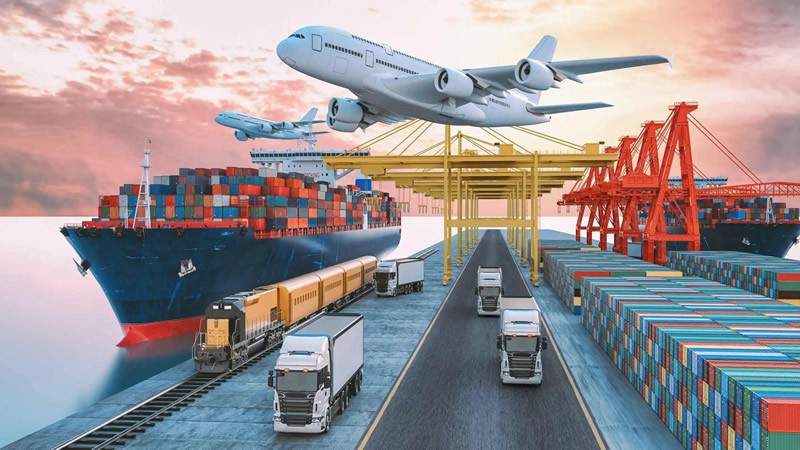
- Maritime Routes: The primary export hub is Bandar Abbas. From there, vessels navigate through the Suez Canal to major European ports like Rotterdam, Hamburg, or Koper. Transit times are predictable and well-established.
- Rail and Road Networks: For Eastern and Central European destinations, the International North-South Transport Corridor (INSTC) and established road networks via Turkey or the Caucasus offer faster, highly reliable alternatives to sea freight.
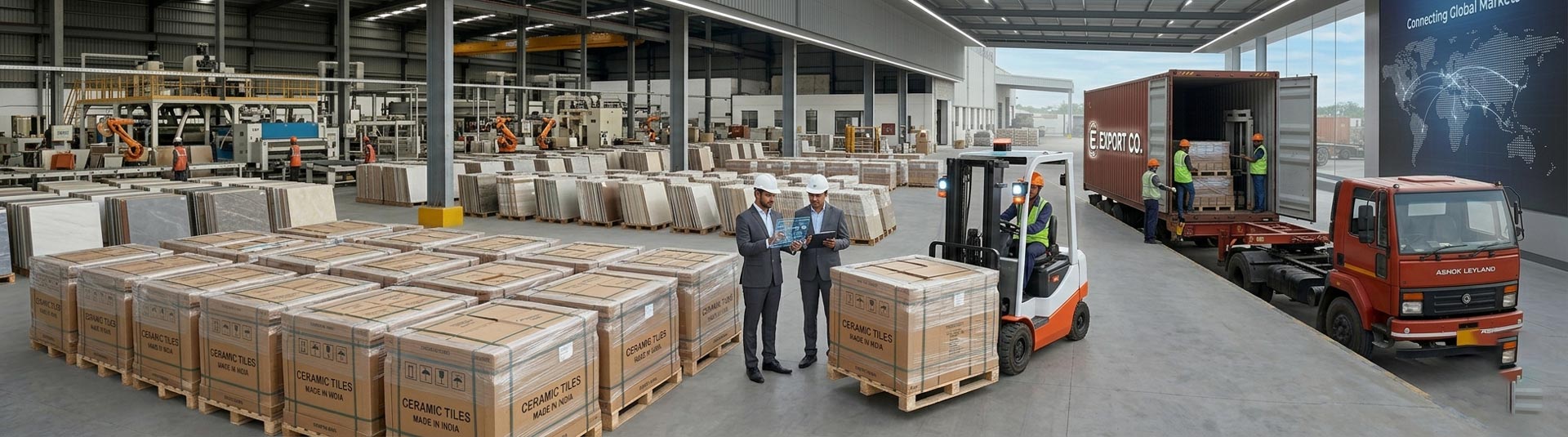
- Packaging Standards: Iranian exporters utilize robust, export-grade wooden pallets and shrink-wrapping to ensure zero breakage during long-haul transit, a critical factor for maintaining product integrity.
Understanding Tariffs, Sanctions, and Financial Workarounds
It is imperative to address the elephant in the room: international sanctions. While certain financial restrictions exist, the tile and ceramic industry is generally not subject to comprehensive embargoes, as it is a civilian, non-strategic good.
Experienced exporters have developed compliant, efficient mechanisms to facilitate trade:
- Third-Country Financial Routing: Transactions are often processed through financial hubs in neighboring countries (such as the UAE or Turkey), ensuring smooth, legal currency transfers in Euros or Dollars.
- Barter and Countertrade: In some specific B2B arrangements, flexible trade agreements are utilized to bypass traditional banking bottlenecks.
- Due Diligence: Buyers are advised to partner with established, mid-to-large Iranian manufacturers who possess dedicated export departments experienced in navigating international compliance and customs documentation.
People Also Ask (PAA): Addressing Your Critical Questions
To ensure complete clarity, we have compiled answers to the most frequent queries from international buyers regarding the tile and ceramic industry.
Q1: Are Iranian ceramic tiles durable enough for harsh European winters? A: Absolutely. Iranian manufacturers produce high-grade porcelain tiles with near-zero water absorption rates (less than 0.5%). This makes them highly frost-resistant, meeting the stringent requirements for outdoor applications in freezing climates, identical to European frost-proof standards.
Q2: How does the lead time for Iranian ceramic exports compare to European suppliers? A: While sea freight from Iran to Western Europe takes slightly longer than domestic European trucking (typically 3–۵ weeks), the overall lead time is often comparable. European suppliers frequently face production backlogs due to energy-related shutdowns. Iranian factories operate at full capacity, ensuring that once an order is placed, production and dispatch are swift and reliable.
Q3: Can I request custom sizes or specific designs from Iranian factories? A: Yes. The flexibility of the Iranian tile and ceramic industry is a major selling point. Unlike massive European conglomerates that require minimum order quantities (MOQs) in the millions of square meters for custom runs, many Iranian manufacturers offer agile production lines. They can accommodate custom dimensions, specific glaze finishes, and tailored packaging with much lower MOQs, catering perfectly to specialized architectural projects.
Q4: Is the quality of Iranian tiles consistent across different batches? A: Consistency is a hallmark of top-tier Iranian manufacturers. The integration of automated quality control systems, including laser sorting and automated defect detection, ensures that color variation (shade variation) and dimensional calibration remain within strict tolerances (often Class V3 or V4, clearly labeled on packaging), matching European batch consistency.
The Future Outlook: 2025–۲۰۲۶ and Beyond
As we look toward 2025 and 2026, the trajectory of the global tile and ceramic industry points toward continued consolidation of Iran’s competitive advantage. Several macro trends will further solidify this position:
- Sustainability Mandates: As the EU enforces stricter carbon border adjustment mechanisms (CBAM), the carbon footprint of locally produced European tiles will incur additional costs. Iranian manufacturers investing in solar energy and optimized kiln technologies will gain a dual advantage: lower costs and a greener profile.
- Technological Leapfrogging: Iranian R&D is rapidly advancing in the production of ultra-thin ceramic slabs and sintered stone. These high-value products are expected to see a surge in export volume, directly competing with premium Italian brands at mid-tier price points.
- Market Diversification: While Europe remains a primary target, Iranian exporters are simultaneously strengthening ties with the CIS countries, Africa, and Asia, creating a robust, diversified economic base that ensures long-term factory stability and supply reliability for European buyers.
The narrative is clear. The era of paying a massive premium solely for a “Made in Europe” label on ceramic tiles is ending. Savvy buyers are recognizing that value is defined by the intersection of durability, aesthetics, and price. The Iranian tile and ceramic industry has mastered this intersection.
Conclusion
The global construction landscape demands agility, cost-efficiency, and uncompromising quality. As this analysis has demonstrated, the tile and ceramic industry in Iran successfully delivers on all three fronts. By capitalizing on abundant domestic raw materials, stable energy costs, and state-of-the-art Italian manufacturing technology, Iranian producers have engineered a product that rivals the best of Europe at a significantly more accessible price point.
The myth that lower cost equates to inferior quality has been thoroughly debunked by international certifications, rigorous quality control, and successful real-world applications across the European tile market. For procurement managers, architects, and developers, ignoring this supply chain alternative means voluntarily accepting inflated budgets and unnecessary project risks.
The data from 2024 projects a clear trend for 2025 and beyond: the integration of high-quality Iranian tiles into European supply chains will transition from an alternative strategy to an industry standard. The opportunity to optimize your project’s bottom line without sacrificing aesthetic or structural integrity is available now.
Take the Next Step in Optimizing Your Supply Chain
Do not let outdated sourcing strategies inflate your project costs. Partner with a supply chain that offers reliability, premium quality, and undeniable cost advantages.
Contact our expert procurement consultants today. We provide comprehensive market analysis, factory vetting, and end-to-end logistics support to seamlessly integrate superior Iranian ceramic solutions into your next major development. Secure your competitive edge—reach out to our team for a customized sourcing strategy and a detailed product catalog.

نظرات ۰