

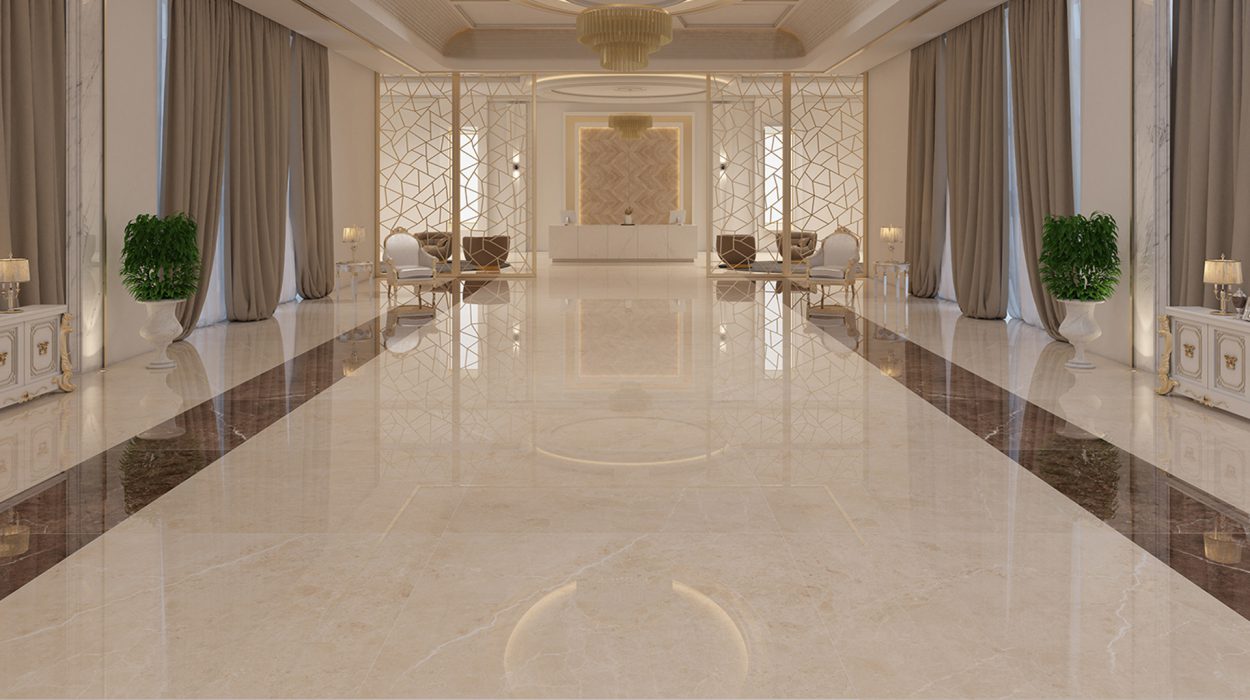

In the dynamic world of the ceramic tile industry, a quiet transformation is underway. Homeowners, architects, and designers are increasingly turning away from traditional small-format tiles toward oversized, ultra-slim porcelain slabs. These innovative materials deliver the seamless, monolithic surfaces that define modern luxury interiors.
Imagine walking into a bathroom where walls flow like a single, uninterrupted canvas of marble or concrete—no visible grout lines breaking the visual harmony. Or picture a high-end commercial lobby where expansive ceramic panels create an atmosphere of sophistication and calm. This is not a distant future; it is the present reality driven by slim porcelain technology.
Global demand for large-format porcelain slabs reflects this shift. The porcelain slabs market, valued at around USD 14 billion in 2026 projections, is expected to reach USD 24-25 billion by 2035, growing at a CAGR of approximately 6.5%. Large-format options now dominate premium segments, with residential and commercial applications fueling growth.
This comprehensive guide explores the revolution of oversized and slim porcelain slabs (often called slim porcelain or gauged porcelain panels). It examines their technical advantages, design versatility, installation realities, market drivers, and practical considerations for seamless wall coverings. Whether you are a homeowner planning a renovation, a designer seeking cutting-edge solutions, or a builder evaluating material options in the ceramic tile industry, you will find actionable insights here.
What Are Slim Porcelain Slabs and Oversized Ceramic Tiles?
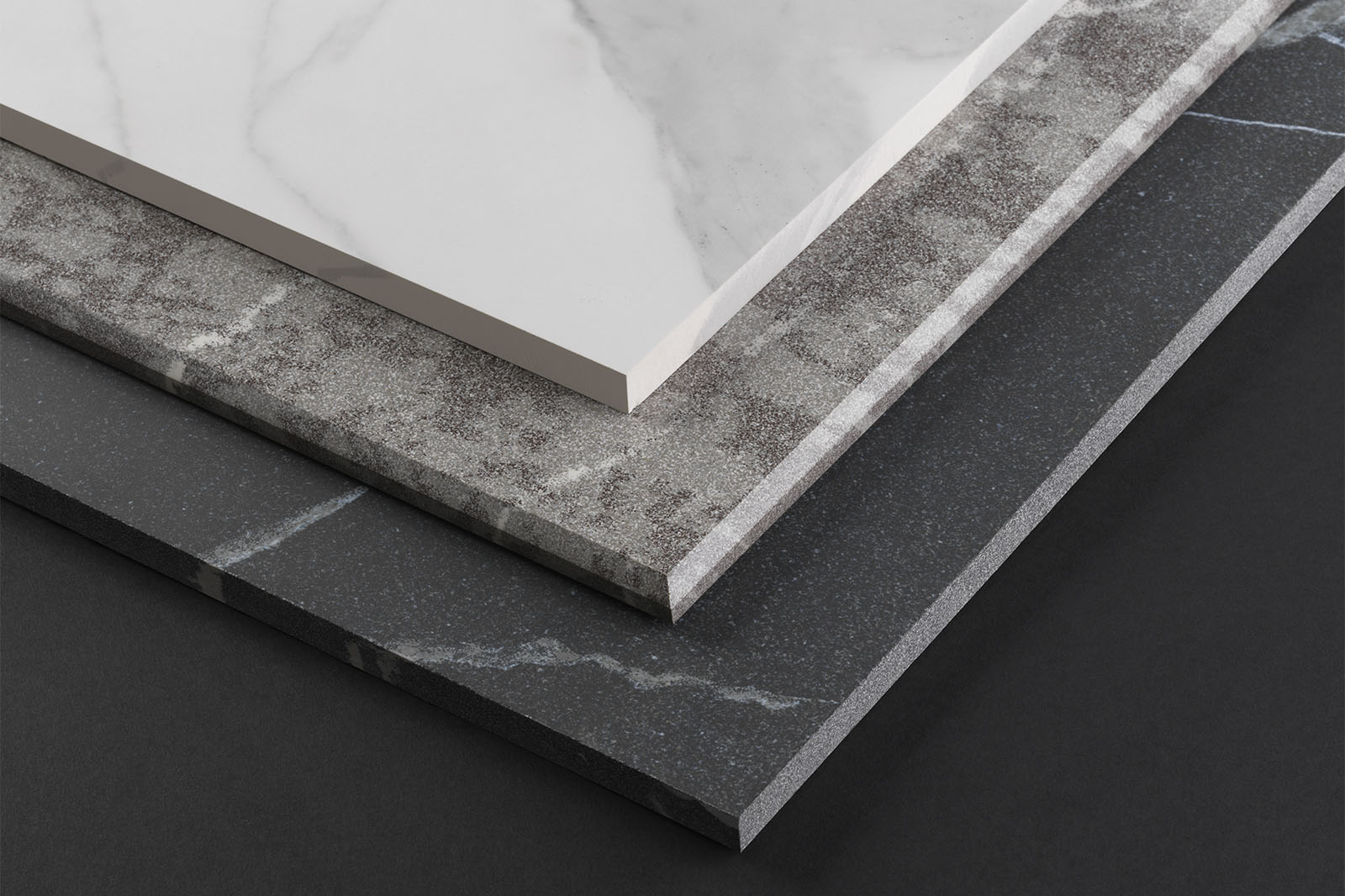
Slim porcelain slabs, also known as thin porcelain panels or large-format porcelain tiles, are engineered ceramic surfaces produced through advanced high-pressure compaction and high-temperature firing. They typically measure 1200mm x 2400mm (about 4×8 feet) or larger—up to 1600mm x 3200mm or more—and come in thicknesses as low as 3-6mm for wall applications, compared to the standard 9-12mm of traditional tiles.
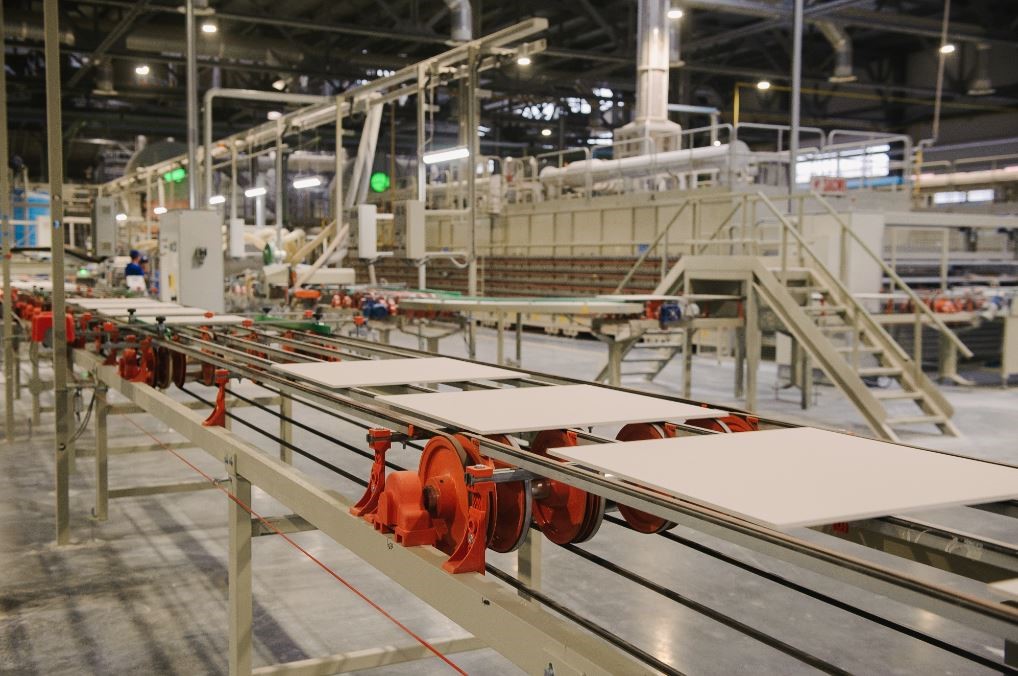
Key characteristics include:
– Ultra-low water absorption (under 0.5%), making them virtually impervious to moisture, stains, and frost.
– High flexural strength despite slim profiles, thanks to dense porcelain composition.
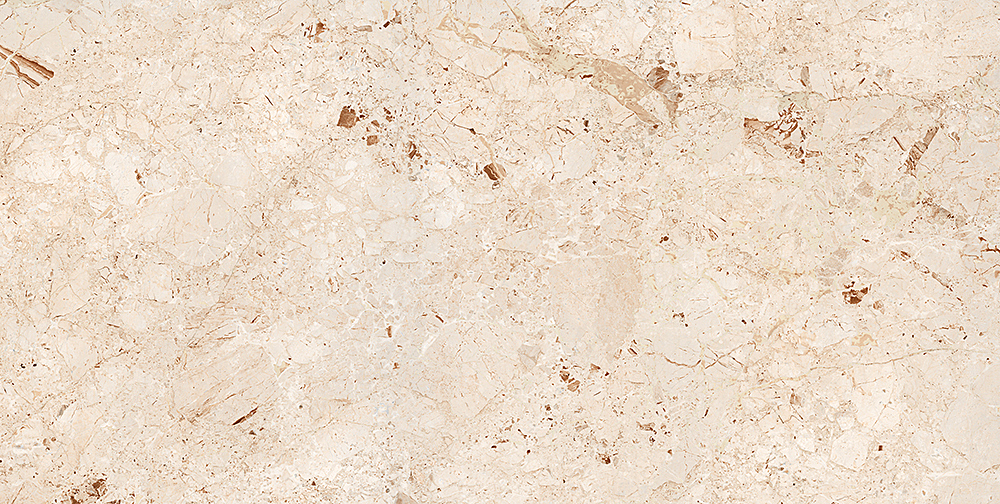
– Digital printing and surface treatments that replicate natural stone, wood, concrete, metal, or abstract patterns with photorealistic detail.
– Lightweight construction relative to natural stone slabs, easing handling and structural demands.
In the ceramic tile industry, these products bridge the gap between conventional tiles and premium natural stone. Unlike smaller ceramic tiles that require numerous grout joints, slim porcelain slabs minimize or eliminate visible seams, creating the “seamless” aesthetic that defines contemporary design.
Why the Market Is Shifting: Drivers Behind the Large-Format Revolution
Consumer preferences have evolved toward minimalist, spa-like environments. Traditional grout lines collect dirt, require frequent maintenance, and interrupt visual flow—pain points that oversized slabs directly address.
Market statistics underscore this trend:
– Large-format tiles (600x600mm and above) now represent over 55% of new product launches and installations in key regions like Asia-Pacific.
– Wall cladding applications account for roughly 27% of the porcelain slab market, with strong growth in seamless designs.
– Architects and designers prefer slabs for over 40% of premium projects due to sustainability, aesthetics, and performance.
Urbanization, rising disposable incomes, and a focus on renovation in developed markets further accelerate adoption. Renovation projects, which often prioritize minimal disruption and modern aesthetics, favor thin slabs that can sometimes install over existing surfaces.
Key Advantages of Slim Porcelain Slabs for Seamless Walls
Slim porcelain slabs excel in wall applications for several compelling reasons.
Aesthetic Superiority and Seamless Appeal
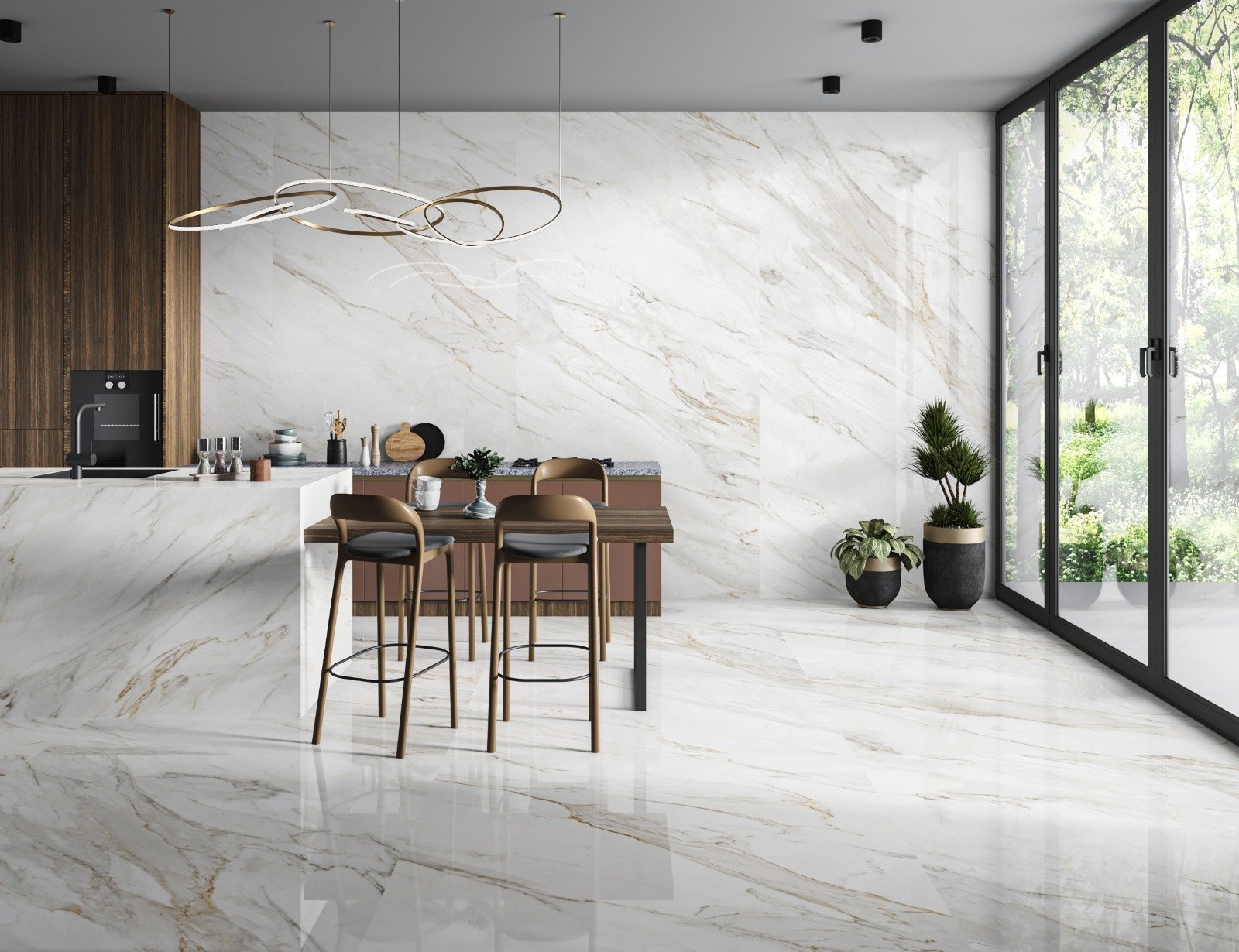
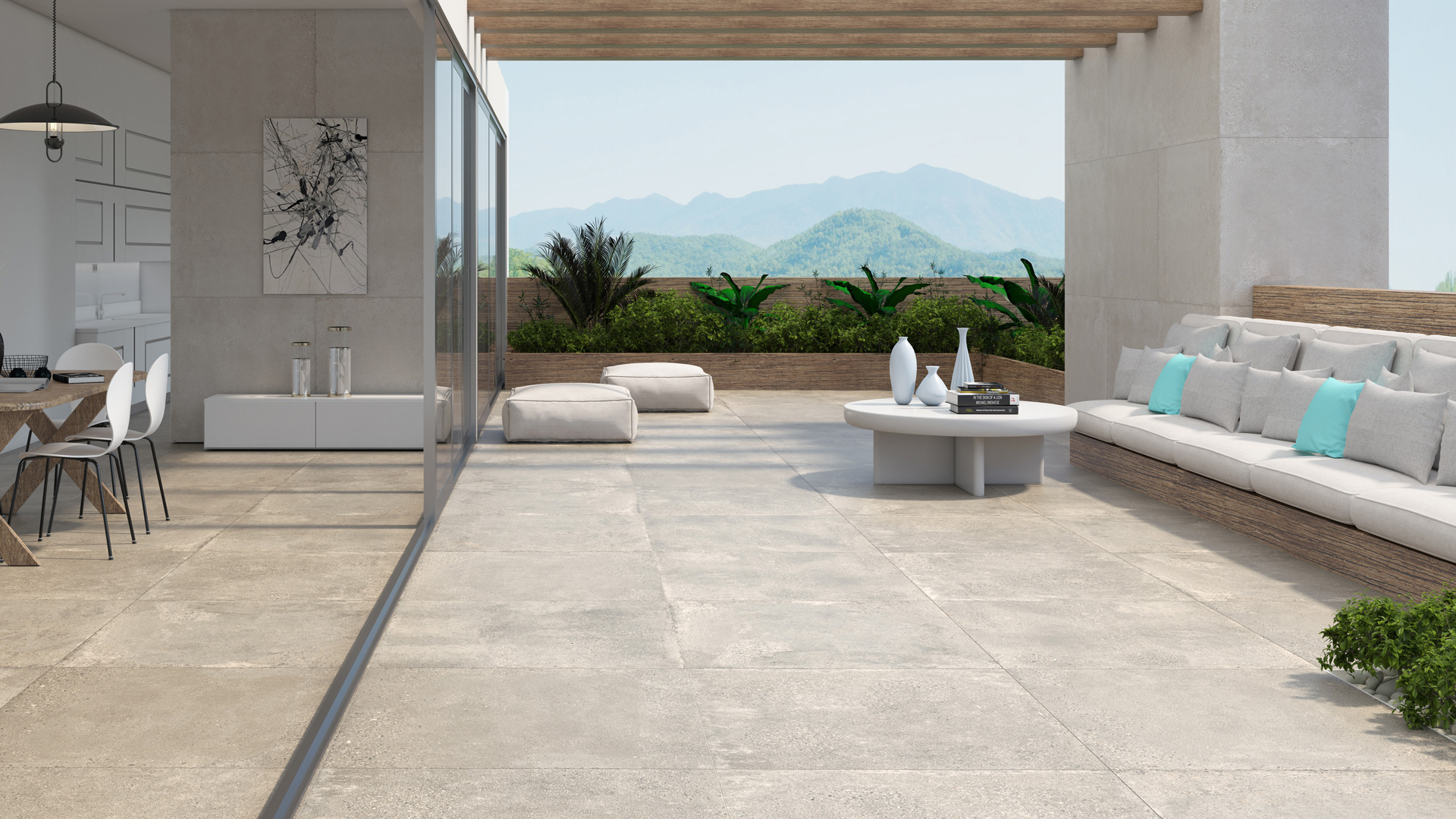
Fewer grout lines create a monolithic appearance that makes spaces feel larger, brighter, and more luxurious. On walls, this effect is particularly dramatic, turning ordinary surfaces into statement features. Book-matching options allow continuous vein patterns across multiple panels, mimicking high-end stone installations.
Durability and Performance
Porcelain slabs resist scratches, stains, heat, UV rays, and moisture. They suit high-traffic commercial walls, humid bathroom environments, and even outdoor facades. Their non-porous nature inhibits bacterial growth, supporting hygiene-focused designs in kitchens, hospitals, and hospitality settings.
Lightweight and Practical Benefits
Thinner profiles reduce weight, lowering transportation costs and structural requirements. This makes them ideal for multi-story buildings or retrofits. They also often cost less per square foot in material than equivalent natural stone while offering comparable or superior longevity.
Sustainability Edge
Manufactured with recycled content and efficient processes, porcelain slabs present a lower environmental footprint than quarried stone. Their longevity reduces replacement frequency, and many lines carry green certifications.
Versatility
Beyond walls, these slabs work for countertops, flooring, furniture, and cladding. This unified material language simplifies design coordination.
Comparing Slim Porcelain Slabs to Traditional Ceramic Tiles
| Aspect | Traditional Ceramic Tiles | Slim Porcelain Slabs |
|---|---|---|
| Size | Typically <600x600mm | ۱۲۰۰x2400mm+ |
| Grout Lines | Many, visible | Minimal or seamless |
| Weight | Heavier per installation | Lighter, easier handling |
| Installation Complexity | Standard | Requires precision but fewer joints |
| Maintenance | Higher due to grout | Low, easy to clean |
| Cost (Initial) | Lower | Higher, but better long-term value |
| Aesthetic | Grid pattern | Monolithic, modern |
Slabs win for premium seamless projects, while smaller tiles remain practical for budget or complex curved areas.
Installation Best Practices for Seamless Wall Results
Successful installation demands expertise. Key steps include:
– Substrate Preparation: Walls must be perfectly flat, clean, and stable. Use cement board or self-leveling compounds as needed.
– Adhesive Selection: Employ specialized large-format, non-sag thin-set mortars for vertical applications to prevent sliding.
– Handling and Cutting: Use appropriate lifting equipment, vacuum handles, and wet saws with proper blades. Professional teams often employ suction cups and rails.
– Layout and Joints: Plan minimal grout joints (1-2mm) or butt-joint techniques for true seamlessness. Achieve high mortar coverage (90%+).
– Finishing: Proper grouting and sealing (where applicable) ensure longevity.
Hiring certified installers is essential, as improper handling can lead to breakage or lippage. Many manufacturers provide detailed guides and training.
Common Challenges and Solutions:
– Weight Management: Use mechanical aids.
– Alignment: Laser levels and dry layouts prevent issues.
– Cost Overruns: Early planning and supplier collaboration mitigate surprises.
Real-World Applications and Case Studies
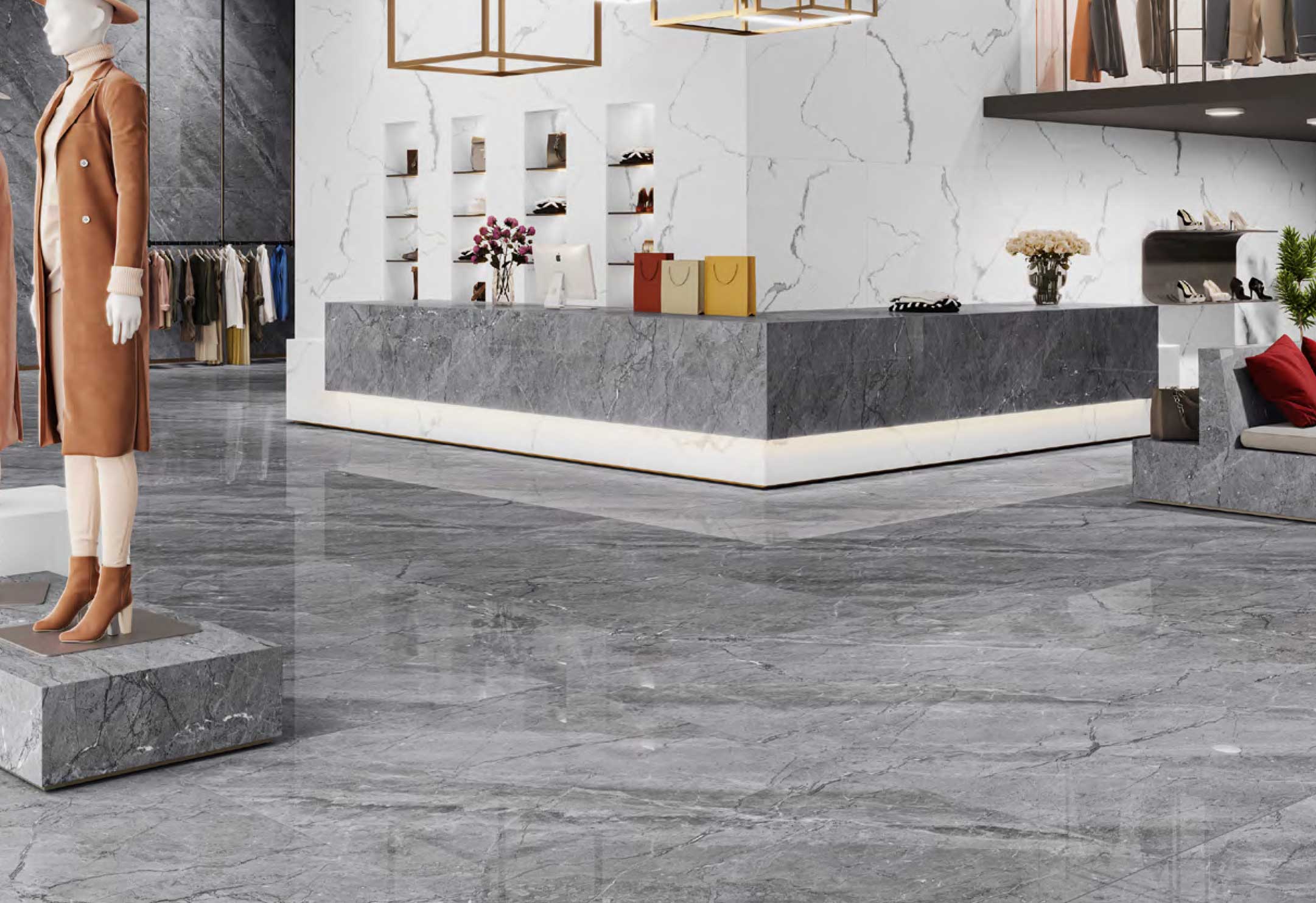
In luxury bathrooms, full-height slim slabs create seamless shower enclosures that feel spa-like and easy to maintain. High-end hotels and offices use them for dramatic lobby walls and elevator interiors, projecting modernity. Retail spaces benefit from durable, eye-catching backdrops that withstand daily wear.
One notable trend involves tile-over-tile installations in renovations, minimizing downtime and waste—particularly valuable in commercial settings.
Addressing Common Questions (People Also Ask)
Are slim porcelain slabs suitable for all walls?
Yes, with proper substrate preparation. They excel in moist areas but require professional assessment for load-bearing or exterior uses.
How do they compare in cost?
Higher upfront investment, offset by lower maintenance, longevity, and reduced grout costs over time.
What about durability in high-traffic areas?
Exceptional. Their density outperforms many natural materials.
Can they be installed DIY?
Generally not recommended for large formats due to handling and precision needs.
Future Outlook in the Ceramic Tile Industry
By 2026 and beyond, expect continued innovation in textures, digital customization, and even smarter integration with building systems. Sustainability will drive thinner, stronger formulations and circular production. Large-format slim porcelain will likely capture more market share as technology lowers barriers.
The shift toward seamless designs signals a broader move in the ceramic tile industry toward performance-driven aesthetics that enhance well-being and property value.
Conclusion: Embracing the Seamless Future
The revolution of oversized slim porcelain slabs marks a pivotal evolution in the ceramic tile industry. These materials solve longstanding pain points—maintenance, visual clutter, and limited design options—while opening new creative possibilities for seamless wall coverings. From superior durability and lightweight practicality to stunning aesthetics that elevate any space, the benefits are clear and compelling.
As market data shows sustained growth and designer preference, adopting large-format porcelain positions projects at the forefront of modern interior trends. Whether transforming a private residence or a commercial landmark, these slabs deliver lasting value and timeless appeal.
Ready to explore how slim porcelain slabs can transform your next project? Contact experienced suppliers and installers today for samples, consultations, and tailored solutions. The seamless future of wall design awaits—make it yours.



نظرات ۰