

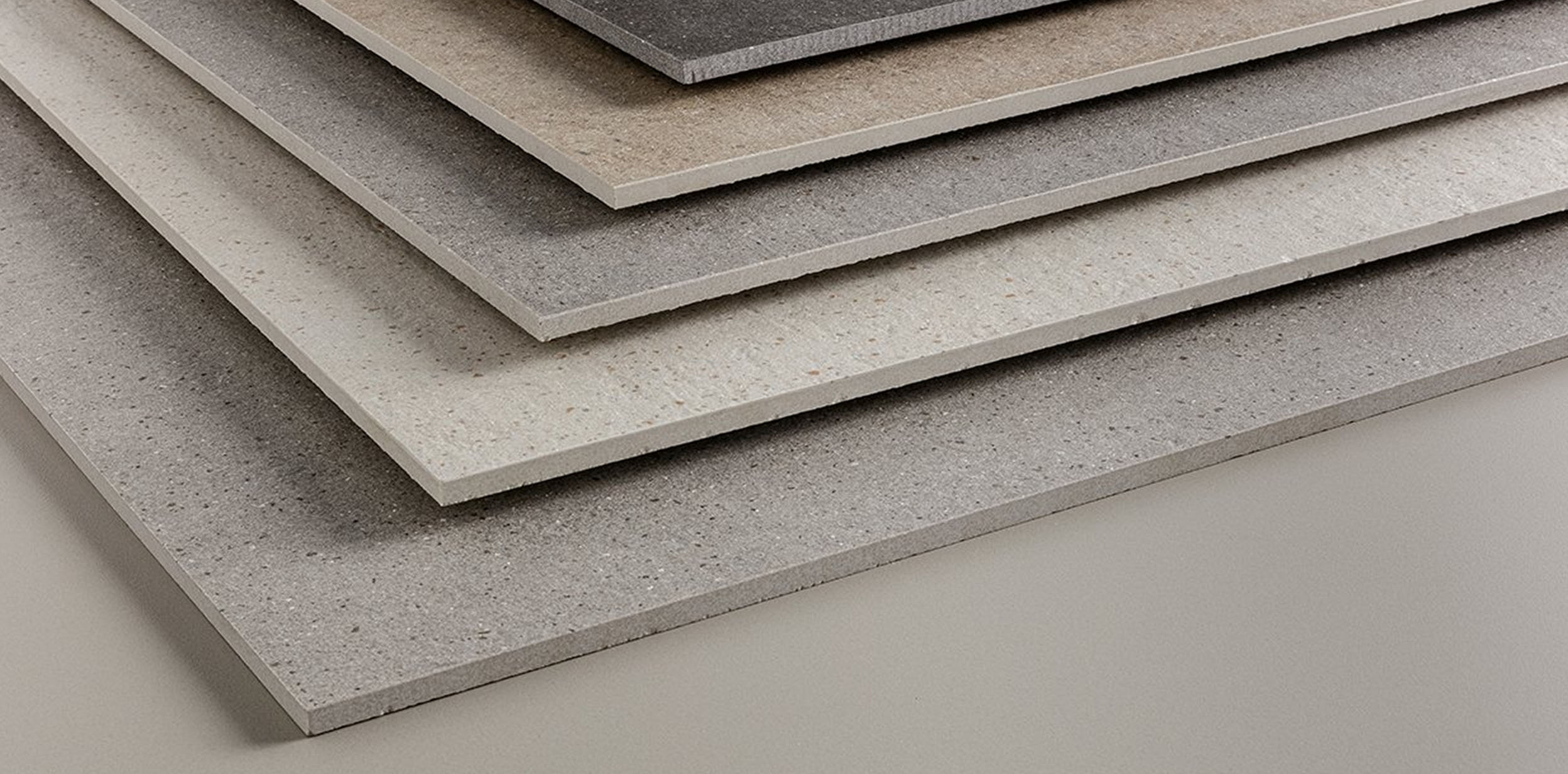
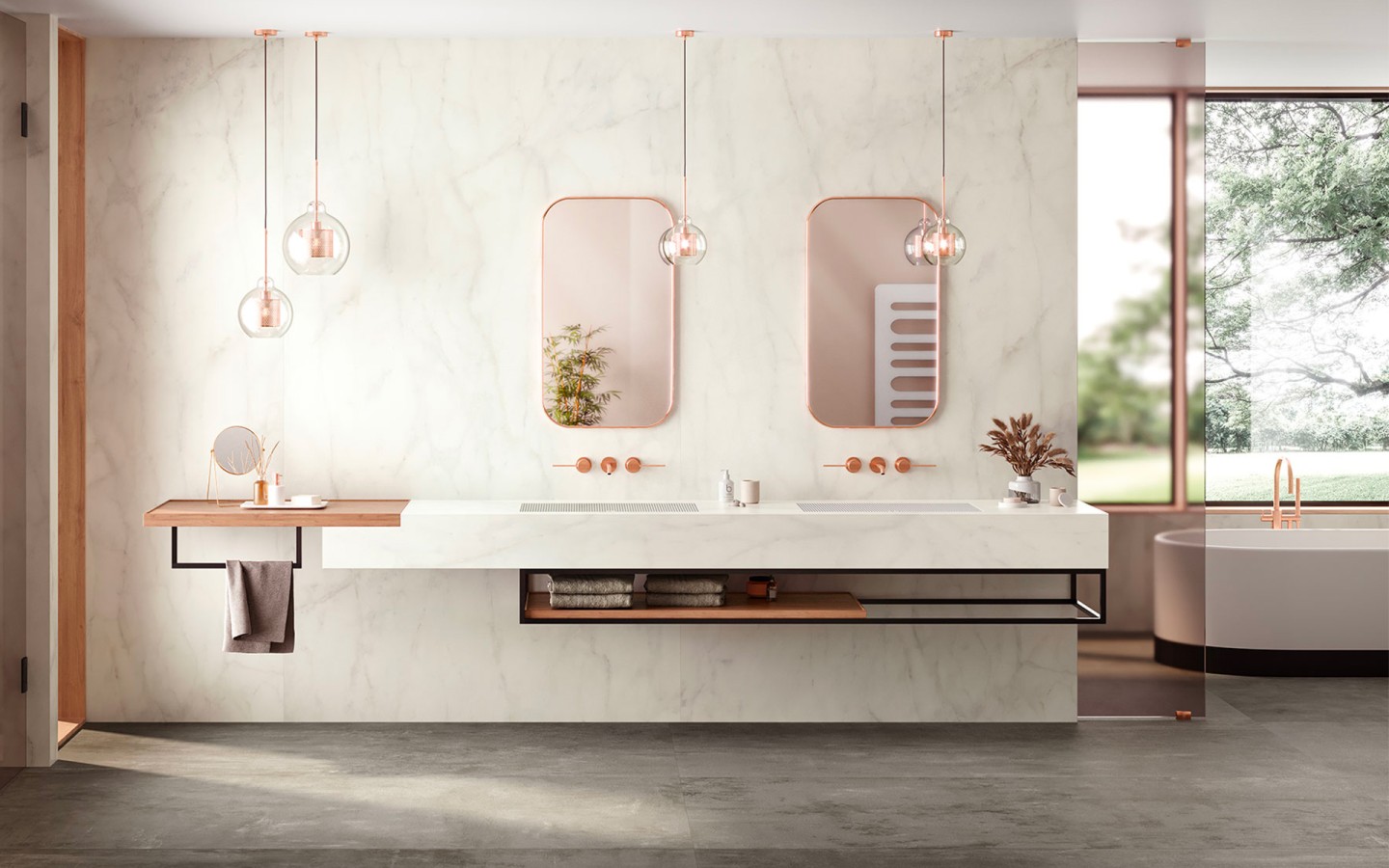

Discover why some European buyers are exploring Iranian porcelain tile: cost, energy, design range, and the compliance rules that matter. Read the facts before you request quotes or plan your next sourcing round.
Europe produces more than a billion square metres of ceramic tile a year. EU output reached 1,054 million square metres in 2024, led by Spain and Italy. So why would a European importer look at Iranian porcelain tile at all?
The honest answer is more nuanced than the question implies. Iranian porcelain tile is not flooding European warehouses. Most Iranian tile exports head to neighbouring markets such as Iraq, Turkey, Georgia and Armenia. Yet a small and persistent group of European distributors, contractors and designers keeps asking about it. They want lower unit costs, distinctive surfaces and a second or third source beyond the usual suppliers.
If you are one of them, you face a real dilemma. The price sheets look attractive. The compliance picture does not. The EU reinstated more than 250 designations, including banks, energy companies and shipping companies, after the UN snapback of 2025. Payment routes and shipping insurance are now harder to arrange than they were a few years ago.
This guide gives you the full picture. You will learn what draws buyers to Iranian porcelain tile, how it compares with European and Asian supply, which standards to demand, and where the legal traps sit. You will also find direct answers to the questions buyers ask most often.
Read it before you request a single quote. A clear view of both the opportunity and the limits will save you time, money and legal exposure.
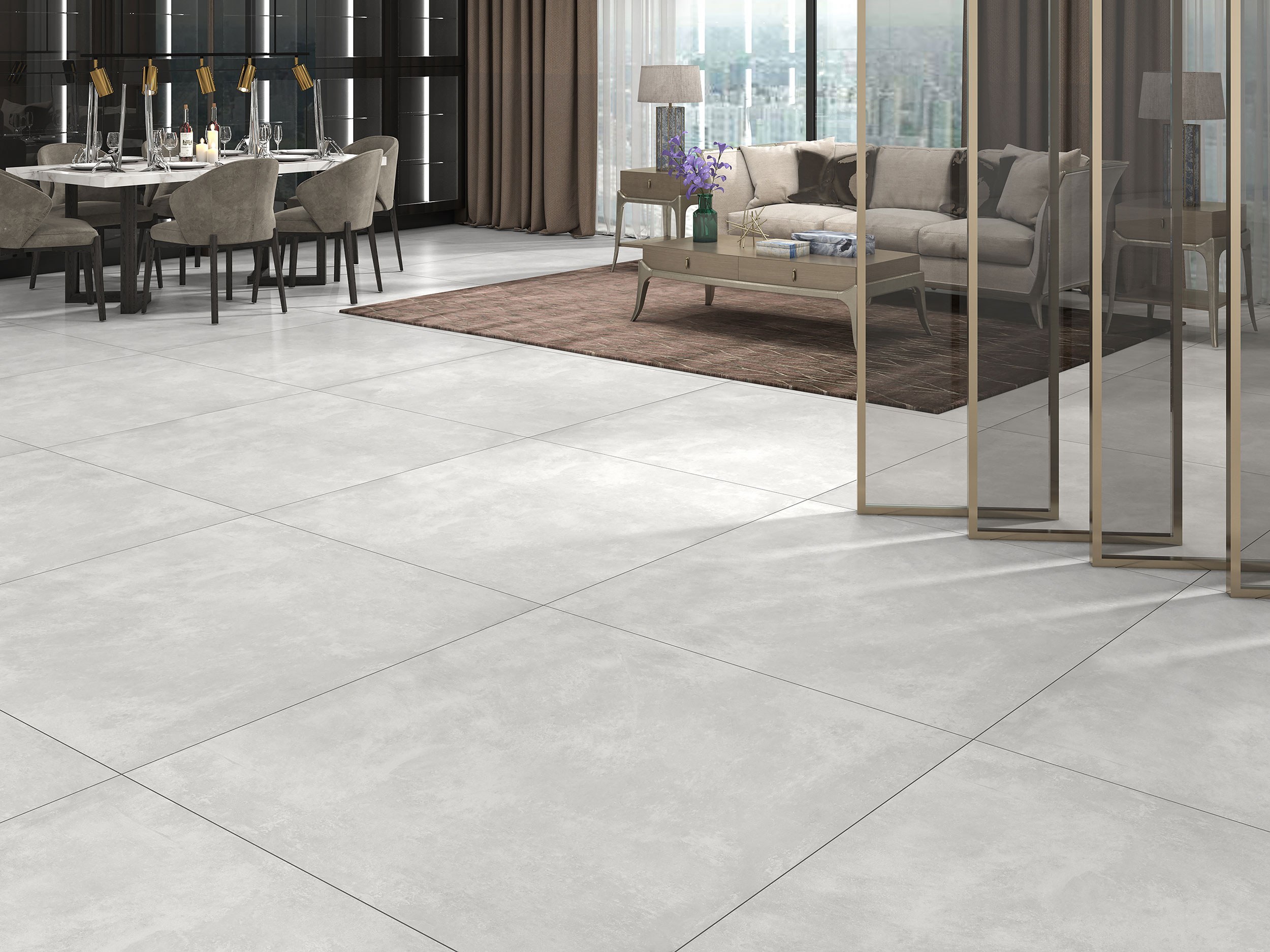
Iranian Porcelain Tile in Europe: What the Numbers Show
Start with scale. Supplier-side sources describe Iran as a giant producer. One trade publication puts annual output near 720 million square metres, with about 40% exported. Another projects roughly 700 million square metres for 2025.
Independent market research paints a more cautious picture of exports. It reports that Iran holds only about 9% of Middle Eastern tile export value, while Turkey commands 61%. Those figures do not match perfectly, and you should treat supplier claims as marketing until you verify them.
Where does Iranian tile actually go? One market report lists Georgia, Turkey and Armenia among the main destinations. Another says Iraq is the largest importer, alongside Pakistan, Afghanistan and Central Asian states. Europe does not appear in these lists.
Why, then, is the topic alive? Look at the domestic side. The same research notes that a construction downturn has created excess inventory and price cuts inside Iran. Producers with spare capacity need new outlets. Europe, an $8.12 billion market in 2025, is an obvious target.
Here is the practical takeaway:
- Iranian porcelain tile is a niche option in Europe, not a mainstream one.
- Interest comes mostly from price-driven importers and project buyers.
- Sanctions, not product quality, remain the main barrier.
Keep this context in mind. The reasons below explain the appeal. They do not promise easy access.
Reason 1: A Different Cost and Energy Structure
Firing porcelain stoneware takes enormous heat. Kilns, spray dryers and presses consume large volumes of gas and electricity. Energy therefore decides much of a tile’s final cost.
European producers carry a heavy load here. Italian manufacturers spent about €۱۳۰ million a year on the EU carbon market between 2021 and 2025, and that bill is set to climb toward €۱۸۰ million. Another industry report links a 19.4% drop in investment in 2024 to high energy costs and the emissions system.
Iranian factories work under different conditions. Domestic industrial gas has historically been cheap, and labour costs are lower. Many plants also source clay and feldspar locally. Together, these factors can produce lower ex-works prices.
Some numbers hint at the gap, though you should read them carefully. The average EU tile export price was $15 per square metre in 2024. The Middle East region averaged $6.7 per square metre. These averages mix very different products, so they are not like-for-like. They still show why price-focused buyers look east.
A lower ex-works price is only the first line of your cost sheet. Add these items before you compare:
- Sea or rail freight and insurance
- Import duty and VAT
- Bank charges and payment-channel costs
- Testing, certification and sample rounds
- Breakage allowance on long transit routes
- Compliance and legal review
Two risks deserve a warning. Currency swings can erase a quoted price within weeks. Winter gas curtailments to industry have also been reported in recent years, which can disrupt delivery schedules.
Reason 2: Domestic Raw Materials and Industrial Capacity
Raw materials shape both cost and continuity. European producers lean on imports for some key inputs. A 2025 academic review notes that Spain is exposed to ball clay from Ukraine and sodic feldspar from Turkey. It adds that Spain and Italy draw around 80% of their raw materials from the same sources. That shared dependence creates competition and risk.
Iran sits on a different footing. The country has extensive deposits of clay, feldspar, silica and other minerals, and its main tile clusters sit in central provinces such as Yazd and Isfahan. Short domestic supply lines reduce exposure to shipping disruptions and foreign price shocks.
Capacity matters too. Iran has built a large tile industry over two decades, with investments in presses, kilns and digital decoration lines. One market study describes glazed and porcelain tiles as leading product types in the Iranian market. This means factories already know how to produce porcelain stoneware at scale.
Scale brings real advantages for European buyers:
- Volume flexibility: Large plants can quote container-level orders quickly.
- Formats and finishes: Many factories offer several sizes and surfaces.
- Customisation: Some producers accept private-label or design-specific runs.
Yet capacity does not equal consistency. Quality control varies widely between plants. One market analysis warns that price pressure has compromised quality in parts of the domestic industry. Never assume that a large factory automatically means a reliable one. Audit the plant, test the product and check batch records.
Reason 3: Design Range, Technology and Persian Aesthetics
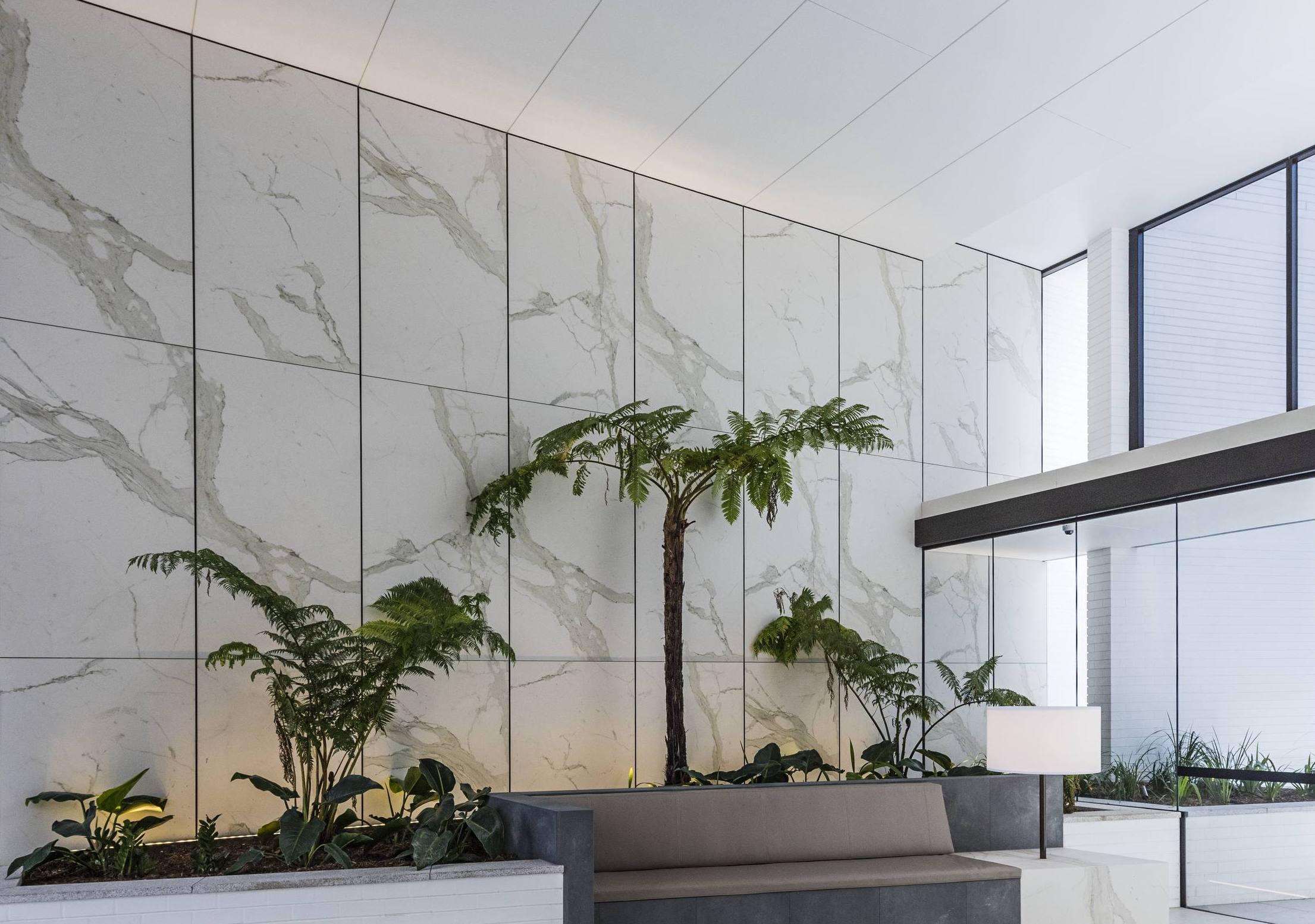
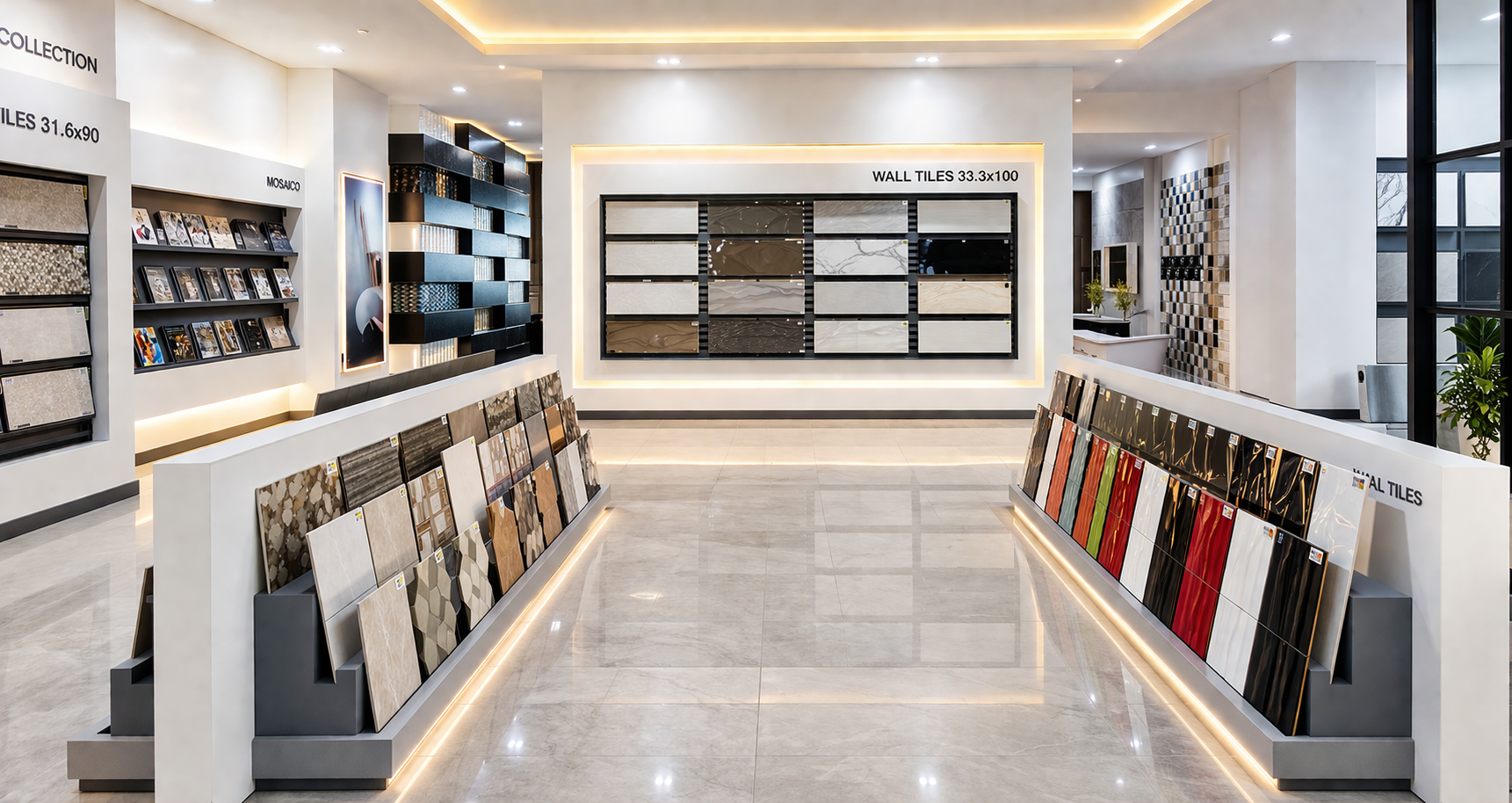
Design draws many buyers first. Iranian porcelain tile often carries patterns inspired by Persian architecture, textiles and geometric art. Designers who want something beyond the standard marble-look or concrete-look range find this appealing.
Technology supports the look. Trade sources credit Iranian producers with digital printing and high-pressure presses that deliver precise patterns. Digital decoration lets factories reproduce stone, wood, terrazzo and textile effects with convincing depth.
Common product families you will meet include:
- Polished porcelain: Glossy surfaces for lobbies, retail and residential floors.
- Matt and satin porcelain: Softer reflections for living spaces and offices.
- Wood-look planks: Popular for long-lasting floors in dry and wet rooms.
- Stone and marble effects: Budget-friendly alternatives to natural stone.
- Decorative and patterned tiles: Cultural motifs and hand-inspired designs.
Large formats deserve a separate note. Italy has pushed porcelain stoneware toward larger sizes and slabs. European specifiers now expect big, thin, flat tiles with tight tolerances. Ask every Iranian supplier for proof of flatness, calibre and rectification on the exact format you plan to buy.
A word on trend risk. Design alone rarely wins a European contract. Specifiers also ask about durability, slip resistance, environmental data and warranty terms. A striking pattern helps you get the first meeting. Documentation helps you keep the account.
Reason 4: Supply Chain Diversification Beyond the Usual Suppliers
Tile buyers have lived through several supply shocks. World tile exports fell for the third year in a row in 2024. Chinese output dropped below 5 billion square metres in 2025. In India, a shutdown followed by industrial cost increases of up to 40% halted the recovery in 2026. Every shock pushes importers to ask a simple question: who else can supply us?
European demand adds pressure. The regional market is forecast at $8.31 billion in 2026, growing at roughly 2% a year through 2031. Growth is slow, so margins matter. Buyers with thin margins search for cheaper inputs and alternative origins.
Diversification is a sound strategy in principle. In practice, it works only when the new origin can meet European rules. Consider what German buyers expect. One market report says they often require ISO 17889-1 documentation, environmental product declarations and low-VOC evidence. That favours Italian and Spanish producers with mature sustainability files.
An Iranian supplier can compete only if it can supply comparable paperwork. Ask early whether the factory holds any environmental declarations, energy-use records or third-party test reports. Suppliers that cannot answer these questions are not ready for the European market, whatever their price.
Smart buyers therefore treat Iranian sourcing as a supplement, not a replacement. They keep core volume with established European or Asian partners and test a small Iranian programme where risk is manageable.
The Catch: Sanctions and Compliance Risk
This section matters more than any other. Read it twice.
The EU reintroduced sanctions against Iran after the UN snapback in 2025. Exemptions are very limited, and funds may be seen as indirectly available to sanctioned parties. The bloc’s headline import bans cover crude oil, natural gas, petrochemical and petroleum products. Ceramic tiles are not named in that summary. Do not treat this as a clearance, though. Annexes change, and legal advice must rest on the current text.
The larger risks sit around the transaction:
- Banks: Many Iranian banks are listed. Payments may be blocked or frozen.
- Ownership: The definition of “Iranian persons” includes entities owned or controlled by Iranian parties, even outside Iran.
- Shipping and insurance: Carriers, insurers and ports may refuse cargo.
- Third-country exposure: US secondary sanctions can affect firms that touch US dollars or US markets.
- Reputation: Customers and lenders may question the sourcing choice.
Follow this compliance sequence before any purchase:
- Screen the supplier, its owners and its banks against current sanctions lists.
- Ask a qualified trade lawyer to review the exact goods, route and payment method.
- Confirm that your bank, insurer and freight forwarder will handle the deal.
- Document every step in writing.
- Walk away if any party cannot give a clear answer.
I am not a lawyer, and this section is not legal advice. Rules differ by country and change quickly. A short consultation costs far less than a frozen payment or a seized container.
Quality and Certification: What to Demand from an Iranian Supplier
Compliance covers more than sanctions. The product itself must meet European technical rules.
Start with the standards. Ceramic tile classification and definitions follow EN 14411 and ISO 13006. Test methods sit in the ISO 10545 series. Porcelain stoneware falls into the lowest water-absorption group, at 0.5% or less. That figure signals dense, durable body structure.
Ask for independent test reports covering these properties:
- Water absorption: Confirms true porcelain grade.
- Breaking strength and flexural strength: Shows load resistance.
- Abrasion resistance: Essential for commercial floors.
- Frost resistance: Vital for outdoor use in colder climates.
- Slip resistance: Required for wet areas, ramps and public buildings.
- Dimensional accuracy and flatness: Critical for large formats.
- Chemical and stain resistance: Matters for kitchens, labs and retail.
Then look at market access. Tiles sold in the EU generally need a declaration of performance and CE marking under the Construction Products Regulation. Ask the supplier how it plans to meet this requirement, and who will act as the responsible party in Europe.
Finally, control batch quality. Porcelain tile varies in shade and size between production runs. Insist on:
- One production batch per order
- Clear shade and calibre codes on every carton
- Retained samples from each shipment
- An agreed tolerance for breakage and defects
Pre-shipment inspection by an independent firm adds another safeguard. It costs little compared with a rejected container.
How to Vet an Iranian Tile Supplier: A Step-by-Step Process
Discipline separates profitable programmes from expensive mistakes. Use this sequence.
- Define your specification. Write down format, thickness, finish, edge type, slip rating and target price.
- Clear compliance first. Complete the sanctions checks described above before you exchange samples.
- Request samples and datasheets. Order full-size samples from at least two batches.
- Test independently. Send samples to an accredited European laboratory.
- Audit the factory. Use a third-party inspector to review kilns, quality labs and packing lines.
- Negotiate written terms. Fix specification, tolerances, delivery dates, Incoterms and remedies for defects.
- Start small. Place a trial order and inspect it carefully before scaling.
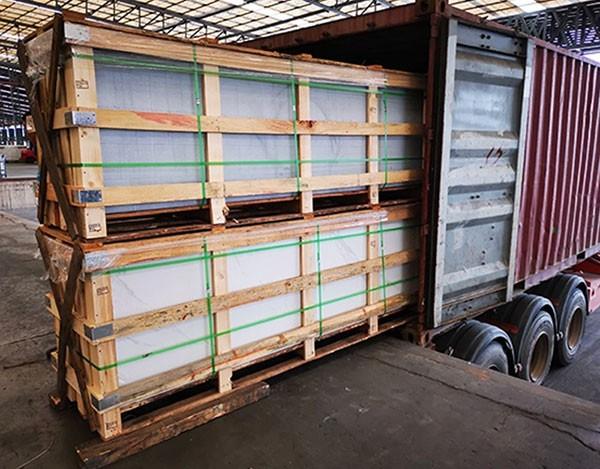
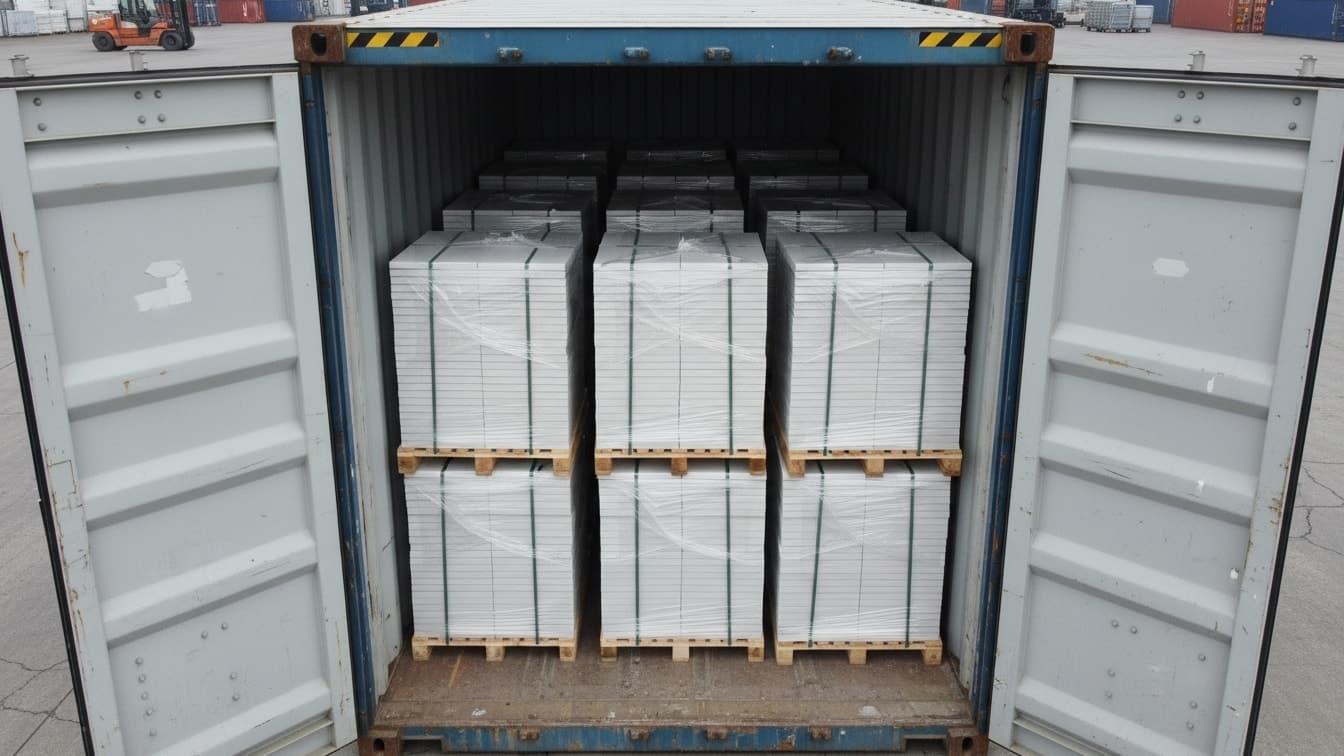
Pay attention to packaging. Long routes increase breakage risk. Ask for reinforced cartons, corner protection and palletised loads that meet your forwarder’s rules.
Consider route and timing too. Cargo may travel by sea from Persian Gulf ports or by land through neighbouring countries. Each option changes transit time, cost and risk. Confirm the entire route with your forwarder before you commit.
People Also Ask: Quick Answers
Is Iranian porcelain tile good quality?
Quality ranges from excellent to poor, depending on the factory. Leading plants use modern presses, kilns and digital printing. Others cut costs when demand weakens. Test every supplier independently.
Can European companies legally import Iranian tiles?
The answer depends on the current sanctions text, your country, and the parties involved. Tiles are not named among the EU’s headline import bans, but banking, ownership and shipping restrictions can still block a deal. Get legal advice before you proceed.
Which countries buy Iranian tile today?
Market reports point to Iraq as the largest buyer, with Pakistan, Afghanistan and Central Asian states also importing. Others list Georgia, Turkey and Armenia among leading destinations.
How does Iranian tile compare with Turkish, Italian and Spanish tile?
Turkish tile leads regional exports by value. Italian and Spanish tile dominate European specifications thanks to design authority and strong environmental documentation. Iranian tile competes mainly on price and pattern variety. It lags on European paperwork and market access.
Is Iranian porcelain tile cheaper?
Ex-works prices are often lower. Total landed cost can narrow the gap once you add freight, insurance, testing and compliance work.
Conclusion: A Niche Opportunity That Demands Discipline
Why do some European buyers look at Iranian porcelain tile? Four reasons stand out. Costs and energy inputs differ from Europe’s. Domestic raw materials and large capacity support supply. Digital printing and Persian design offer fresh aesthetics. And importers want more than one source after years of supply shocks.
Yet the evidence also shows clear limits. Iran’s tile trade flows mainly to neighbouring markets, not to Europe. Reinstated EU sanctions complicate banking, shipping and insurance. European specifiers expect environmental and technical documentation that many Iranian factories still need to build.
What should you expect next? Do not bet on a sudden surge. The strongest driver of change is policy, not product. If sanctions ease and payment channels reopen, price-led demand could grow quickly. If restrictions tighten, European interest will stay confined to a few specialist importers. Meanwhile, Iranian producers that invest in certification, sustainability data and consistent quality will stand the best chance of winning trust.
For buyers, the sensible path is clear:
- Verify legal and banking feasibility first.
- Test products independently before ordering.
- Start with a small trial, not a large commitment.
- Keep core volume with proven suppliers.
Ready to explore your options? Speak with a qualified trade-compliance adviser and a sourcing specialist before you request quotes. Ask for a written risk assessment and a short list of audited suppliers. A few days of preparation now can protect your budget, your reputation and your customers.

نظرات ۰